As Ukraine Targets Russia’s Oil Refineries, Gas Lines Bring the War Home to Ivan

Once an energy superpower, Russia now considers importing gasoline from China, South Korea, or Singapore.

Mikhail Metzel, Sputnik, Kremlin pool via AP
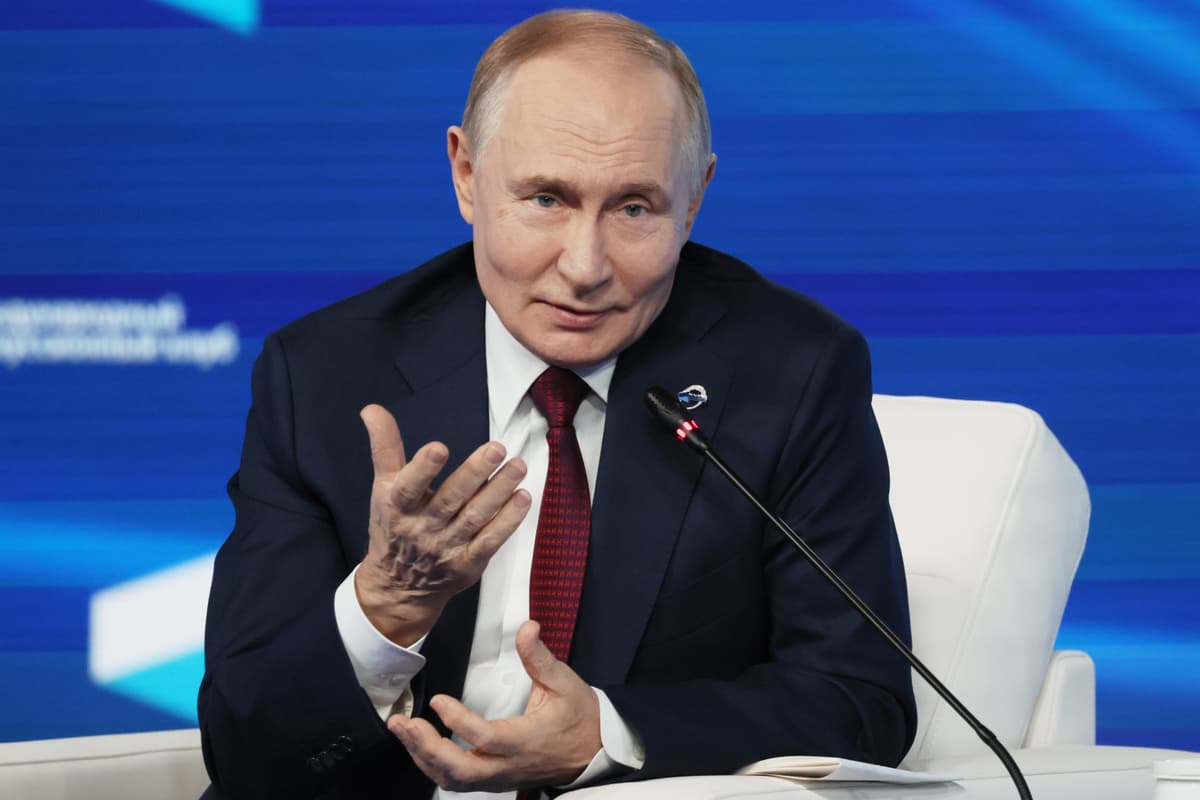
President Vladimir Putin at the Valdai Discussion Club at the Black Sea resort of Sochi, Russia, October 2, 2025. Mikhail Metzel, Sputnik, Kremlin pool via AP

Taking a page from the 1973 Arab oil shock, Ukraine takes aim this fall at a political pillar of Putinism: the private car. Unbeknownst to many in the West, Russia has the fourth largest private car fleet in the world. Russia’s 53 million vehicles, slightly more than Germany’s, run almost entirely on gasoline or diesel.

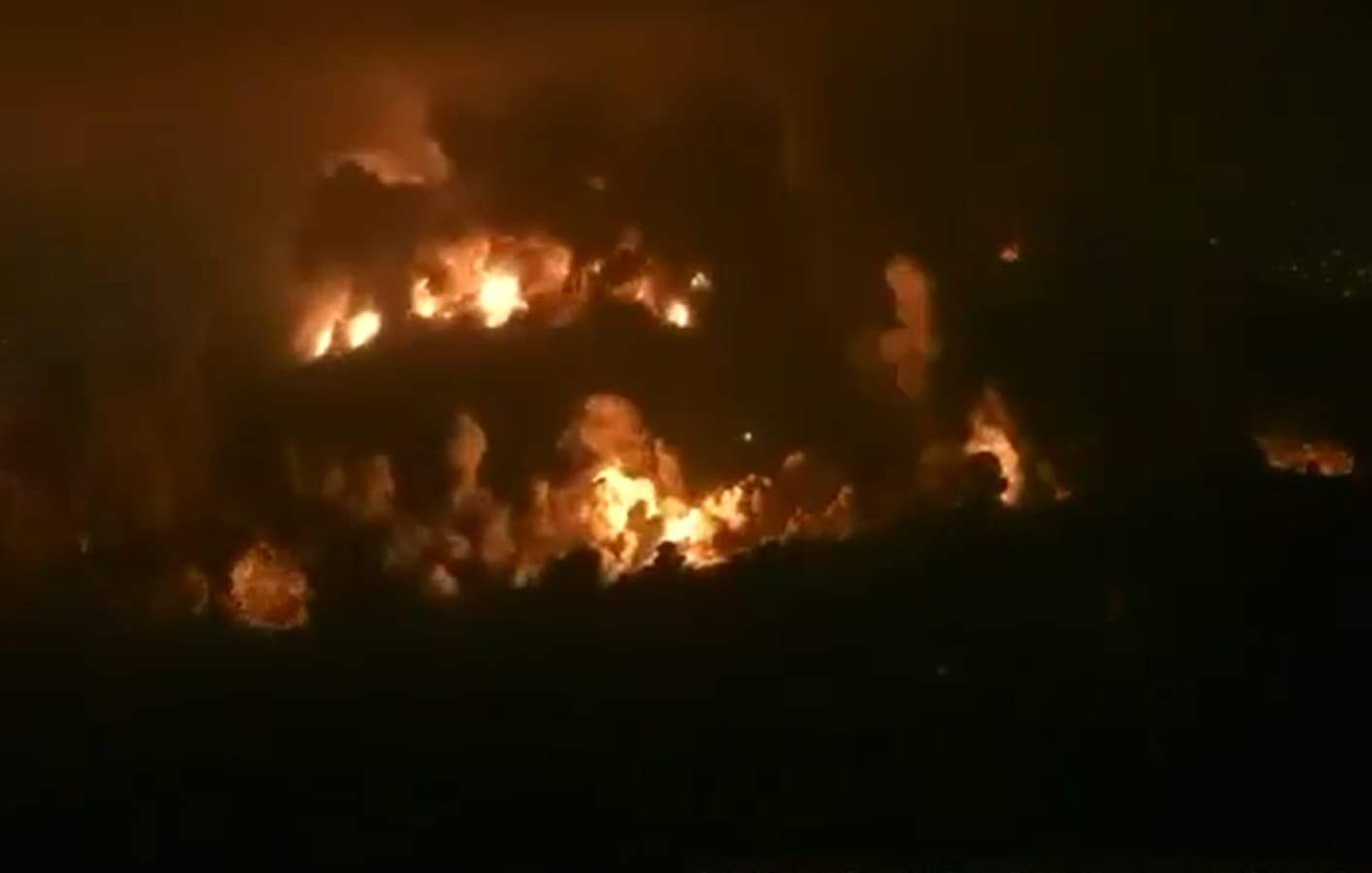
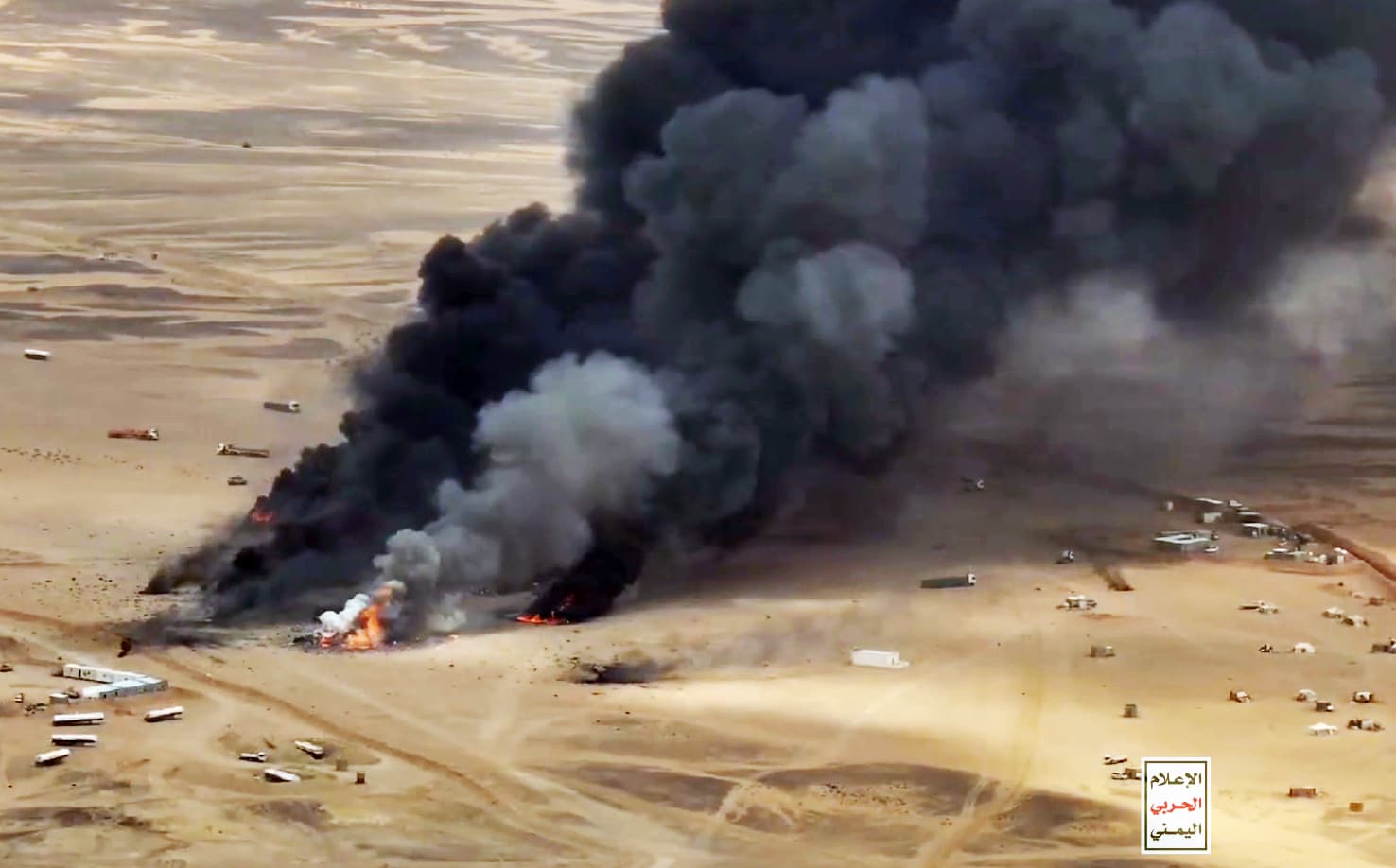
Now, Ukraine is pinching the hose. Over the last two months, Ukrainian drones have hit refinery after refinery. Of Russia’s 21 largest refineries, 16 have been hit. Gas lines and rationing, a political setback for Richard Nixon half a century ago, are spreading across Russia.

They started on the periphery — the Russian Far East and Siberia.

“We haven’t had a crisis like this since 1993-1994,” a Novosibirsk gas station owner grumbled to a local outlet, Precedent TV. Referring to the pre-Putin era of hyperinflation and economic insecurity, he said: “Many gas stations have now suspended their operations. Perhaps it is better to wait out the crisis than to make a loss.”

Dashboard camera videos of seemingly endless gas lines now appear from 20 regions across Russia, including areas near the war zone. In Russia-occupied Crimea, Governor Sergei Aksyonov last week cut gasoline rationing to five gallons, from eight gallons. Half of the gas stations on the peninsula are closed. Across the country, gas prices are up by 20 percent this year.

Now shortages are spreading to the approach highways to Moscow. On one, the 500-mile Kazan-Moscow shossé, an irate woman narrates her gas line video, complaining that functioning gas stations can now be found once every 100 miles. Inside Moscow, Russia’s second largest oil producer, Lukoil, tries to combat a new black market by banning the sale of gasoline in jerry cans.

President Vladimir Putin, who turns 73 today, remembers the political tensions in the West caused half a century ago by the Arab oil embargo. To avoid a repeat, Deputy Prime Minister Alexander Novak extended a ban on gasoline exports to the end of this year. Once an energy superpower, Russia now considers importing gasoline from China, South Korea, or Singapore. In advance, the Kremlin suspended import taxes on gasoline.

From Moscow, Kommersant and other business publications calculate that Ukraine has damaged 38 percent of Russia’s refining capacity.  With refineries down, Russia’s western ports boosted their exports of crude oil, a lower-priced product, by 25 percent in September versus August, Reuters reports.

Russian energy analysts like Carnegie’s Sergey Vakulenko discount the drone campaign impact. Russia always had overcapacity and repairs are being made where possible, he writes for the Carnegie Russia Eurasia Center

However, Ukrainians say this is the opening act  in a long struggle to deprive Russians and their leader of oil, Russia’s economic lifeblood. At Washington, the debate centers on whether the Trump administration will sell  Tomahawk cruise missiles to Ukraine. At Kyiv, the reality is that Ukraine is starting to use a homegrown missile that flies farther and carries twice the warhead of a Tomahawk. 

Known as the Flamingo, this $400,000 Ukrainian missile costs one-third the price of the American Tomahawk. This fall, the Ukrainian manufacturer, Fire Point, plans to build 200 Flamingos a month. With a range of nearly 2,000 miles, the Flamingo puts all of European Russia within range. Last week, Trump administration officials told reporters at Washington that America will provide Ukraine with targeting information for strikes on oil and gas infrastructure deep inside Russia

“Yes, use the ability to hit long range. There are no untouchable sanctuaries,” President Trump’s special envoy, Keith Kellogg, told the Warsaw Security Forum last week. Nearby, Ukraine’s foreign minister, Andrii Sybiha, said: “From this day on, there will be no safe place left in Russia. Ukrainian weapons will reach any Russian military targets.”

Reflecting this reality, Russia is installing anti-drone covers on a fuel tank farm at Novaya Zemlya, an Arctic island historically used as a Russian nuclear testing site, reports the Barents Observer news site. Ukraine is 1,300 miles to the south, the equivalent of a flight to Havana from New York.

On Sunday, Ukraine set a new record for the war, sending a suicide drone 1,800 miles to the east to hit the Antipinsky Oil Refinery at Tyumen, just north of Kazakhstan. This follows a month of drone hits on refineries in far-flung areas: Bashkiria, Chuvashia, Orsk, and Ufa.

These places may sound exotic to a Muscovite, but they are integral parts of Russia’s far-flung oil empire. Attesting to Moscow’s inability to defend an oil industry built in peacetime, several refineries have been hit again and again, some as many as four times. In the latest twist in the decade-long saga over Turkey’s $2.5 billion purchase of S-400 missile defense systems from Russia, Moscow now is sounding out Ankara about buying back the missiles.

In a clear example of  Russia’s inadequate air defense, a host of Ukrainian drones hit Sochi Thursday night — 30 minutes after Mr. Putin stopped speaking at an internationally publicized meeting, the Valdai Forum. For seven hours, authorities shut down the local internet, trying to confuse the kamikazes. The airport was closed, forcing 10 flights to be diverted and 44 more to be delayed.

As the Ukrainian drone wave flew toward him across the Black Sea, Mr. Putin had ridiculed Ukraine and its Western allies.

“These efforts have failed completely,” he declared. “We feel legitimate pride in this regard, pride in Russia, in our citizens and in our armed forces.”  Although two nearby oil ports were damaged by drones one week earlier, it is unclear what physical damage was caused by the attack on Sochi, a vacation destination for generations of Russians.


The New York Sun

© 2025 The New York Sun Company, LLC. All rights reserved.

Use of this site constitutes acceptance of our Terms of Use and Privacy Policy. The material on this site is protected by copyright law and may not be reproduced, distributed, transmitted, cached or otherwise used.

The New York Sun

Sign in or  create a free account

or
By continuing you agree to our Privacy Policy and Terms of Use