

Blaming Brexit for Britain’s Economic Woes, Starmer Suggests a ‘Closer Relationship’ With EU Is Needed
Brexit supporters are warning that any new agreements would put Britain back under the thumb of continental regulators.
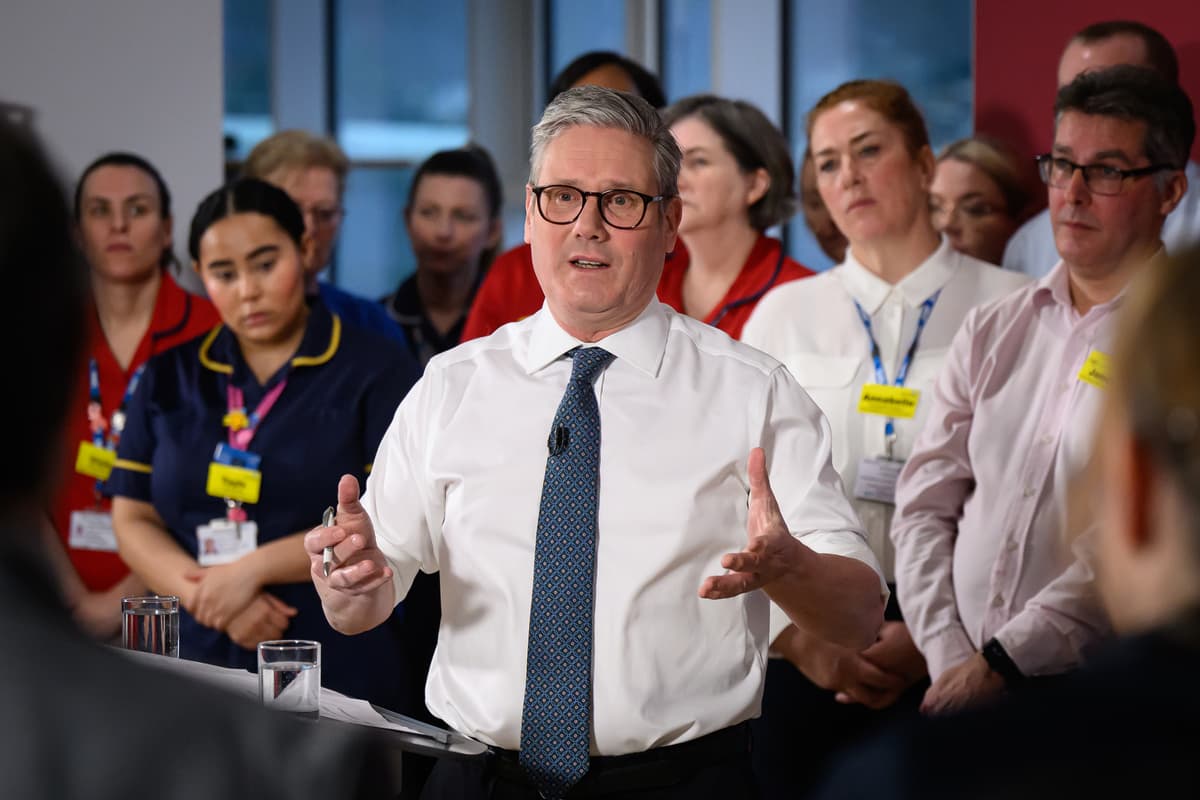
Nearly six years after Great Britain formally separated itself from the European Union, the country’s prime minister, Keir Starmer, is hinting at undoing some aspects of that divorce after blaming Brexit for Britain’s current financial woes.
Mr. Starmer claims seceding from the European Union has “significantly hurt our economy.” He has previously said the United Kingdom will not rejoin the European Union entirely, but that a “reset” in the relationship needs to take place.
“We have to keep moving towards a closer relationship with the EU,” Mr. Starmer said in a speech Monday at a community center in London.
“And we will have to be grown-up about that, to accept that this will require trade-offs,” Mr. Starmer added. He noted that trading deals with the United States and India have required compromise as well.
“We will continue to reject drift, to confront reality and take control of our future,” Mr. Starmer said.
Mr. Starmer hopes to reach a deal with the European Union to cut regulatory costs — specifically reducing checks on food imports and exports.
The comments come amidst anger over a new proposal to raise taxes on British citizens. The budget released last week by Chancellor Rachel Reeves prompted outcry from Labour Party members because it breaks a pre-election promise to keep taxes steady.
Mr. Starmer says his Labour government inherited a “total crisis” after 14 years of Conservative government.
Pro-Brexit critics have slammed Mr. Starmer for attempting to cozy up to the European Union, warning that any agreement would put Britain back under the thumb of continental regulators.
Mr. Starmer reached a deal with the European Commission earlier this year that cut some restrictions on trade in exchange for easing youth visas and fishing restrictions. Reform UK leader Nigel Farage called that deal a “Brexit betrayal” that put foreign interests ahead of those of the British people.
Other proposals to increase cooperation have faltered. Talks for the United Kingdom to join the European Union’s common defense fund broke down on Friday over how much the nation would have to pay to join. British negotiators say the terms of the agreement did not provide enough value.