Border Protection Proposal Demands Social Media Histories of Visitors From Trusted American Allies

Immigration lawyers say the policy, which would apply to Israel and most of Europe, could discourage international travel and harm American tourism.
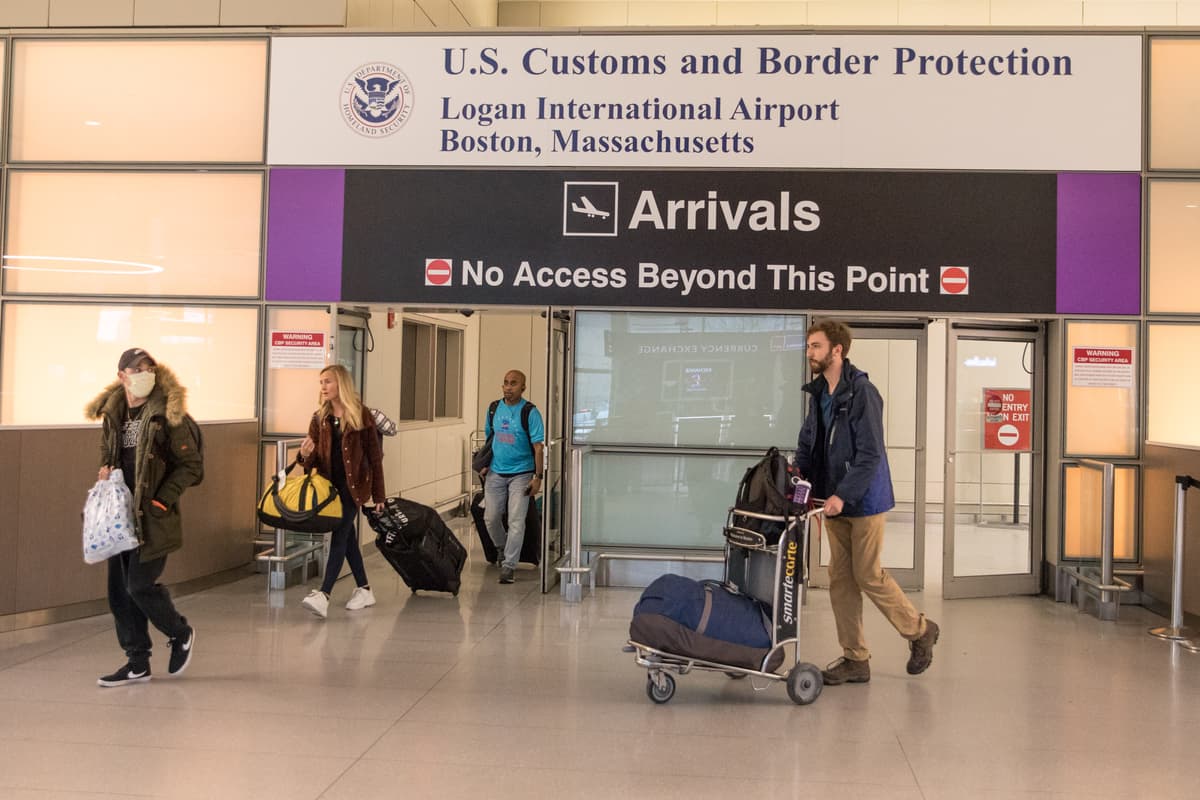
Scott Eisen/Getty Images
Passengers leave the secure area in the arrivals area of the international terminal at Logan Airport at Boston, Massachusetts, on March 13, 2020. Scott Eisen/Getty Images

Foreign travelers planning a business or vacation trip to America from some of its closest allies may soon have to provide their social media histories and a raft of other data before being admitted to the country.

In a proposal published to the Federal Register on Wednesday, U.S. Customs and Border Protection would require visitors from countries in the visa waiver program to submit up to five years of their social media histories. The proposal would elevate social media to a “mandatory data element” for Electronic System for Travel Authorization applications.

Applicants would need to provide additional information “when feasible,” according to the proposal. That includes telephone numbers used in the last five years, email addresses from the past decade, IP addresses and metadata from electronically submitted photos, and biometrics ranging from facial recognition and fingerprints to DNA and iris scans.

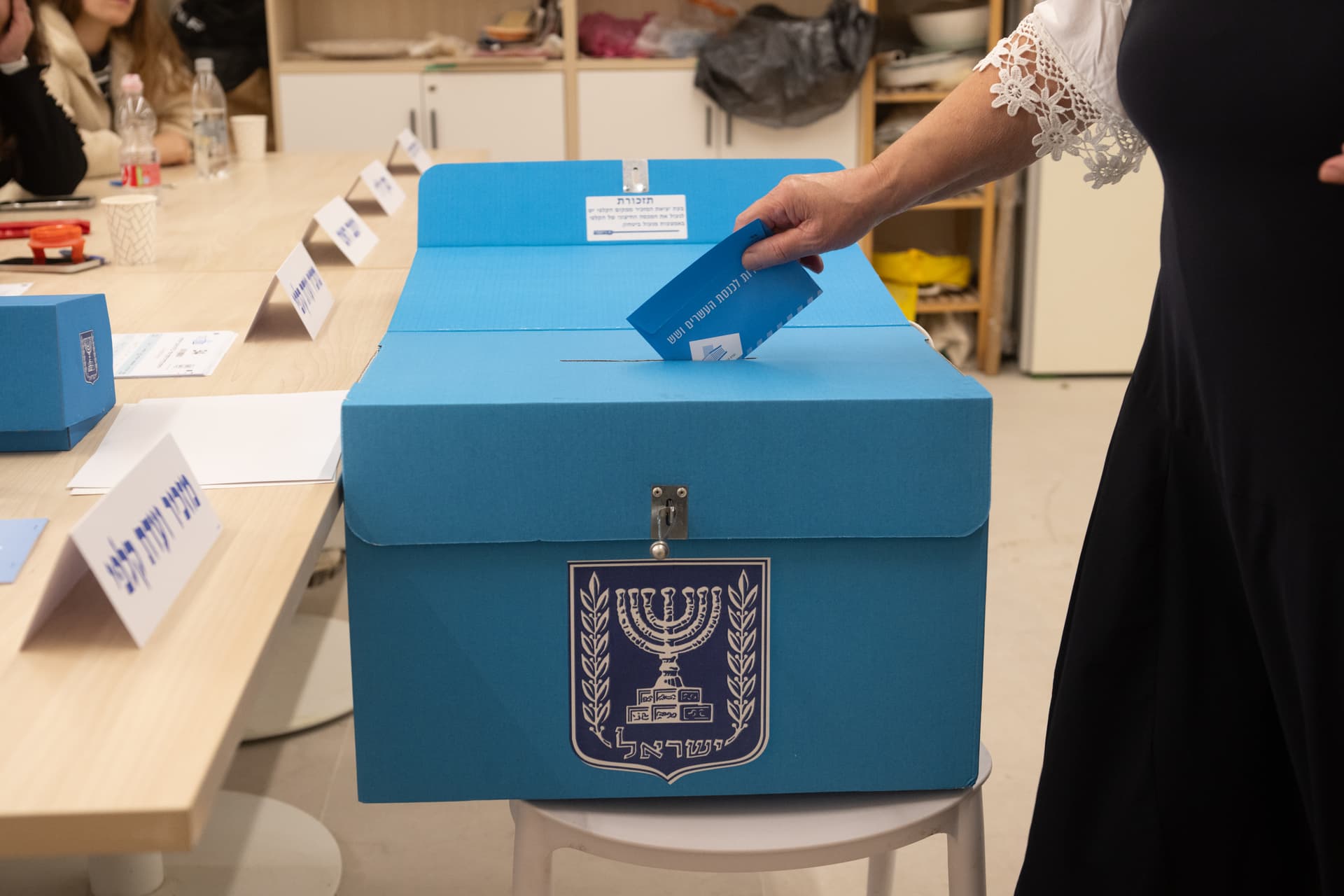
Dozens of the world’s most developed and America-friendly countries participate in the visa waiver program, including, Australia, Japan, Qatar, Israel, and most European nations.

“In order to comply with the January 2025 Executive Order 14161 (Protecting the United States from Foreign Terrorists and Other National Security and Public Safety Threats), CBP is adding social media as a mandatory data element for an ESTA application,” reads a section of the proposal.

The requirements would extend to applicants’ family members as well, demanding names, phone numbers, dates of birth, birthplaces and residential addresses. The proposal is open for a 60-day public comment period, according to CBP officials.

ESTA functions as a digital clearance system for tourists and business travelers from visa waiver countries visiting the U.S. for 90 days or less. For a cost of $40, approved travelers get a two-year authorization allowing unlimited entries during that period.

Social media disclosure has been mandatory for all visa applicants since 2019 — a policy from the first Trump administration affecting roughly 15 million people annually, according to the Brennan Center for Justice. The requirements have steadily expanded: As of June, student visa applicants must keep their social media accounts public, and H-1B high-skilled worker visa applicants will soon face the same mandate.

The proposed changes could discourage international travel and self-censorship online, according to former president of the American Immigration Lawyers Association and partner at WR Immigration, Farshad Owji.

“Basically, people will self-censor, and they avoid coming to the U.S. altogether, and that affects tourism, business, and America’s global reputation,” he said to The Washington Post

“Having the citizenship of an ESTA country doesn’t necessarily mean that person has a political view that is aligned with the current administration’s view.”


The New York Sun

© 2025 The New York Sun Company, LLC. All rights reserved.

Use of this site constitutes acceptance of our Terms of Use and Privacy Policy. The material on this site is protected by copyright law and may not be reproduced, distributed, transmitted, cached or otherwise used.

The New York Sun

Sign in or  create a free account

or
By continuing you agree to our Privacy Policy and Terms of Use