
Can Americans Drink and Pray at the Same Time?
The Supreme Court agrees to hear a dispute over whether one can, say, smoke marijuana and carry a gun at the same time.
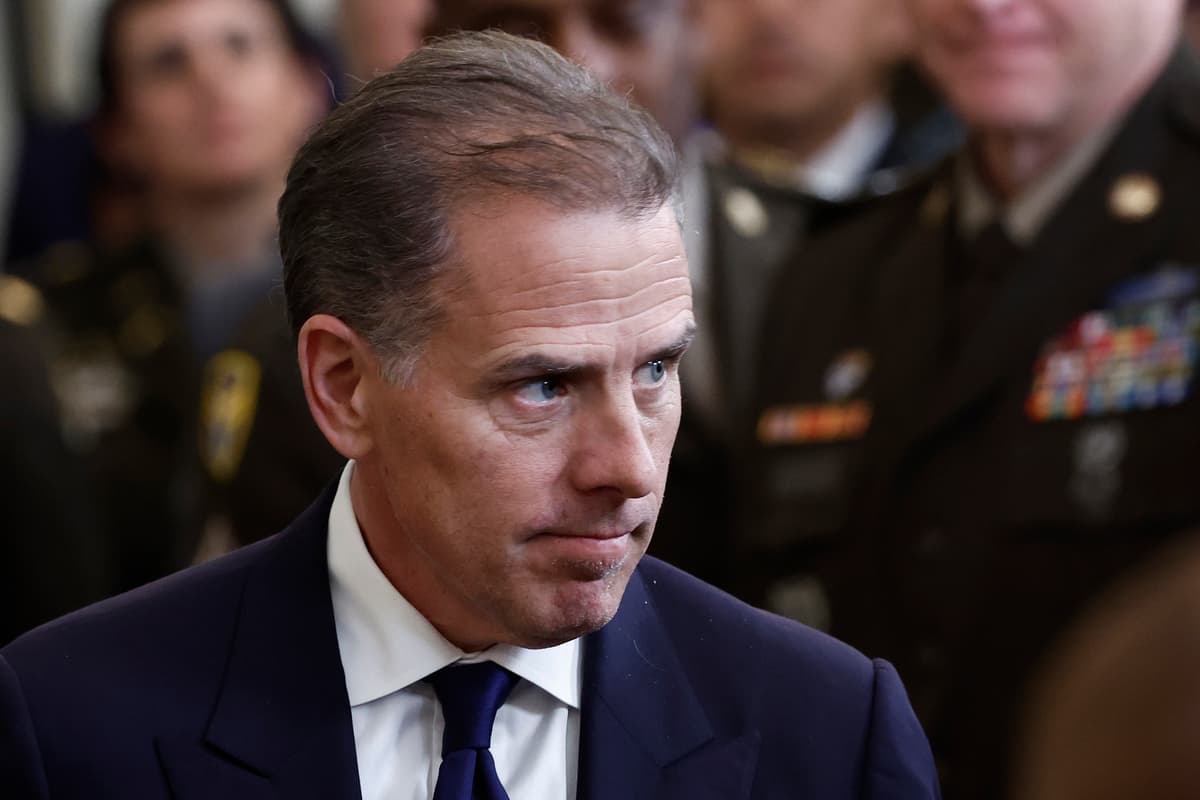
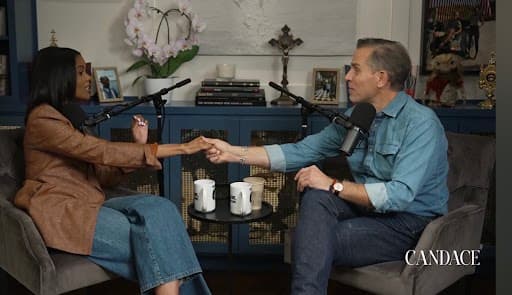
Itâs high time that the Supreme Court decides whether the Second Amendment protects the right of users of illegal drugs to keep and bear arms. After all, last year the former presidentâs son, Hunter Biden, was convicted on federal charges of owning a gun as a drug addict or âunlawful userâ of âa controlled substance,â as the Justice Department put it. The president turned around and pardoned his son, but the law is still on the books. Is it constitutional?
The Nine just agreed to hear U.S. v. Ali Danial Hemani. His home was searched by the FBI. It found some marijuana, cocaine, and a Glock. The Justice Department is defending the law. It argues that barring gun ownership for drug users âfits comfortably within this Nationâs tradition of firearm regulation.â The solicitor general, John Sauer, reckons the case involves a âSecond Amendment issue that affects hundreds of prosecutions every year.â
The crux of the dispute, as General Sauer puts it, is âwhether the government may disarm individuals who habitually use unlawful drugs but are not necessarily under the influence while possessing a firearm.â One can certainly comprehend the public safety concerns raised by mixing gun ownership with the use of illegal drugs. At the same time, one could ask, which of the other liberties vouchsafed under the Bill of Rights are conditioned on such sobriety?
Can, say, one pray while smoking marijuana? In 2010, Justice Samuel Alito, writing for the majority in McDonald v. Chicago, lamented the tendency in federal jurisprudence to conceive of the constitutional right to keep and bear arms âas a second-class right, subject to an entirely different body of rules than the other Bill of Rights guarantees.â That hasnât stopped lawmakers and judges from trying to limit the reach of the Second Amendment.
Feature Justice Clarence Thomasâs majority opinion in New York State Rifle and Pistol Association v. Bruen, a case that in 2022 struck down the Empire Stateâs onerous licensing requirements on owning guns â mandating that residents prove to the state the necessity of carrying a firearm. âThe exercise of other constitutional rights does not require individuals to demonstrate to government officers some special need,â Justice Thomas argued.
Following that logic, one could imagine the high courtâs conservative majority casting a wary eye on the federal law that makes drug use a disqualification for gun ownership. This would track with the conception of the Second Amendment as âthe palladium of the liberties of a republic,â as St. George Tucker put it. He means that it is the civil right that makes possible the protection of all the other civil rights.
Justice Thomas, as it turned out, was the lone dissenter last June when the rest of his colleagues on the bench constrained the Second Amendment in the case of United States v. Rahimi. By eight to one, the Nine upheld a federal law that denies the right to bear arms to Americans who are under restraining orders due to accusations of domestic violence. Yet the liberty to own a gun is vouchsafed to all Americans, even those whose conduct is deplorable, we noted.
Thatâs the case even though âwe carry no brief for any form of domestic violence,â these columns said. The same argument applies to illegal drug use. The freedoms ordained in the Bill of Rights â whether to freedom of speech, religious free exercise, the press, or peaceable assembly â are not meant to be casually tossed aside at the whim of federal lawmakers or jurists. That benchmark would seem to hold true, too, for the Second Amendment.