Charlie Kirk’s Crusade
A moving memorial for the martyred activist hears calls — including from President Trump — for revitalizing religion in the life and spirit of our nation.
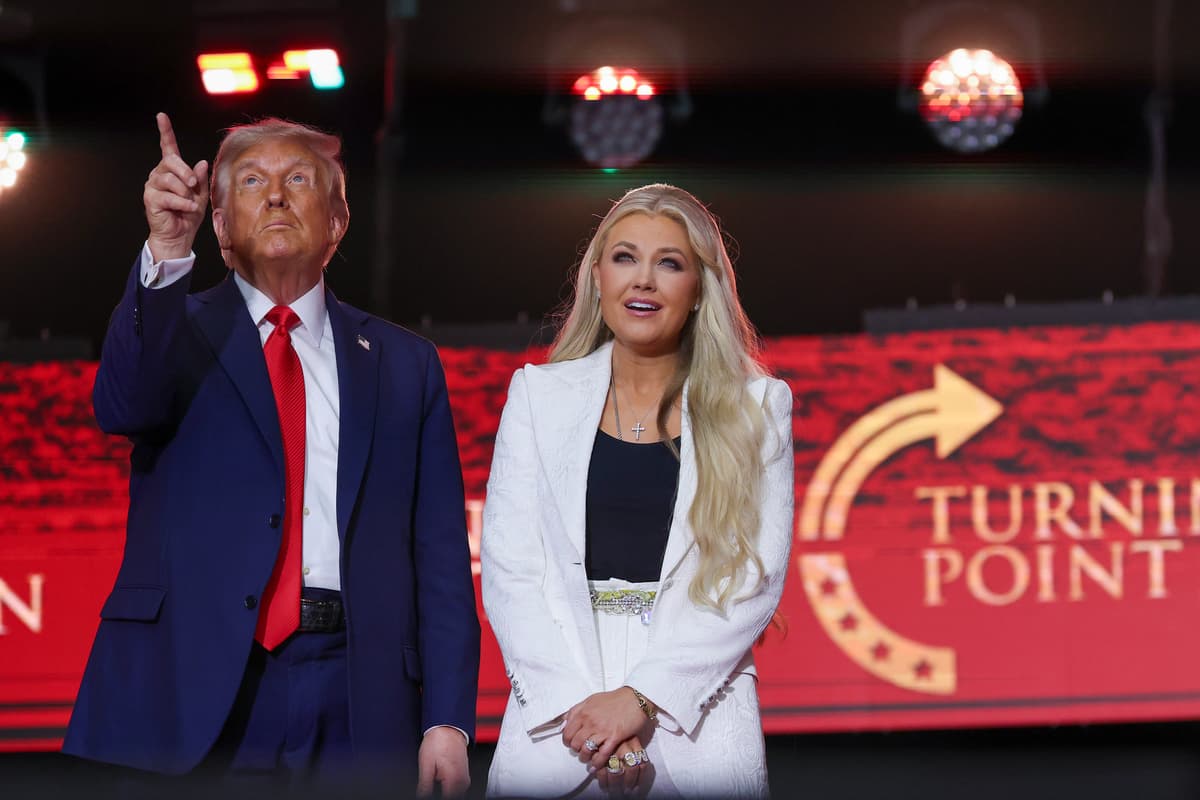

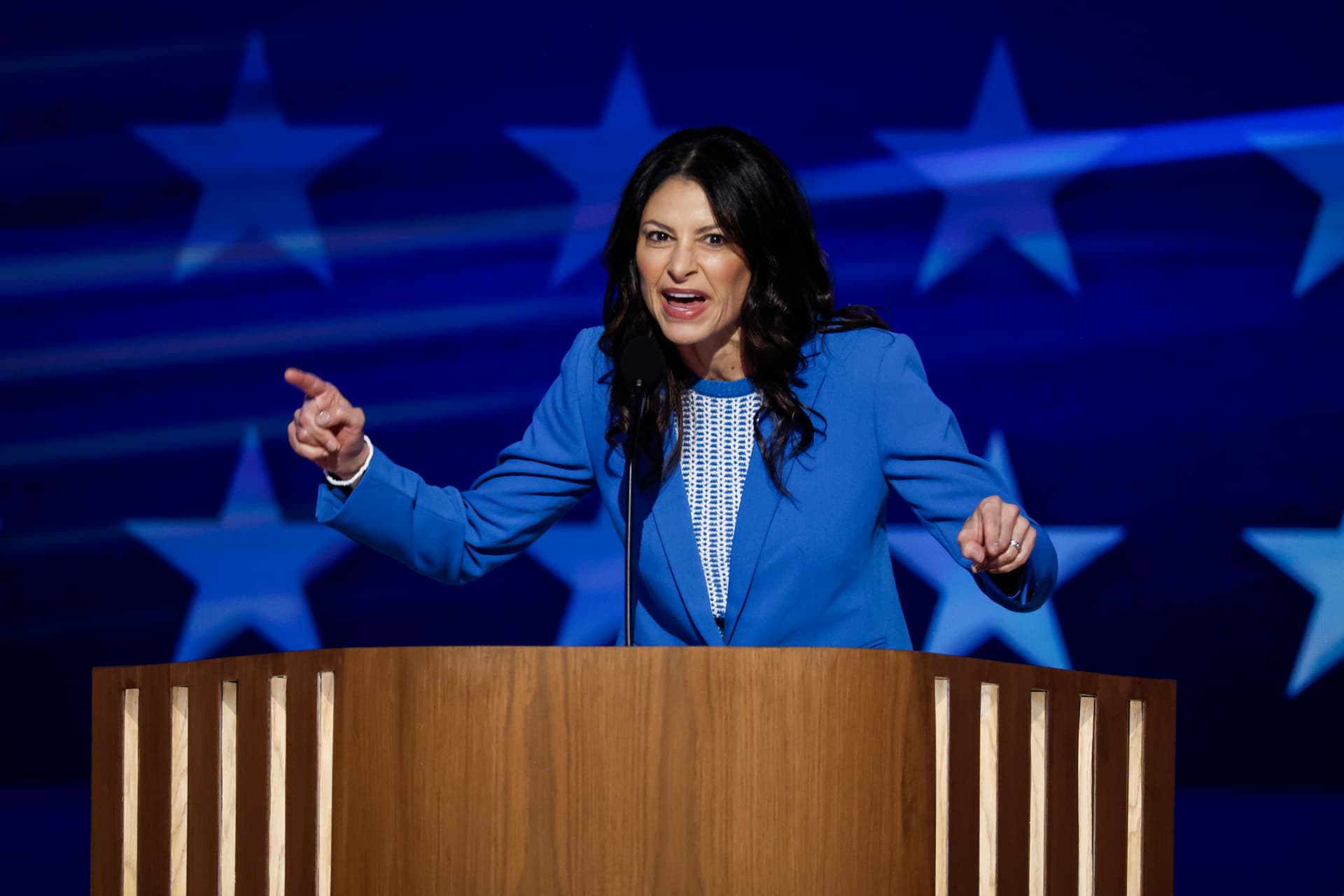
The memorial Sunday for Charlie Kirk will no doubt be long remembered by his millions of followers. The event, widely broadcast, featured remarks by, among others, Kirk’s widow, Erika, Vice President JD Vance, and President Trump. The outpouring of affection for the young activist slain earlier this month was moving. His religious faith was well drawn. Mr. Trump spoke of the value of religion itself in the life and spirit of the nation.
That strikes us as an important moment in our politics — and, we’d like to think, in the effort to roll back the idea that religion has to be kept out of and separate from the public square. We wish Justice Antonin Scalia — now gone, alas — could have been there. Scalia wrote in court and spoke in speeches and interviews about the fallacy of the view that the Constitution creates a wall of separation between religion and the rest of our public life.
“What a strange notion,” Scalia remonstrated in a case known as Lamb’s Chapel, “that a Constitution which itself gives ‘religion in general’ preferential treatment (I refer to the Free Exercise Clause) forbids endorsement of religion in general.” We kept thinking of Scalia as one speaker after another underscored in Arizona the depth of Kirk’s religious sentiments, and how central they were to his movement and to the work of Turning Point USA.
Charlie Kirk, in Mr. Trump’s telling at the vast assembly in Arizona, “ultimately became convinced that we needed not just a political realignment but also a spiritual reawakening. We have to bring back religion to America, because without borders, law and order, and religion you really don’t have a country anymore. We want religion brought back to America. We want to bring God back to our beautiful USA like never before.”
We understand that such talk is going to horrify the left wing of our political debate. We don’t gainsay the fragility of the line between religion and the kind of zealotry that can beget bigotry. Yet these columns have often felt that the threats in the recent generations have been less from religion than from governmental efforts to restrict public public prayer and other forms of religious free exercise. On this, Charlie Kirk was ahead of the curve.
Which should serve Turning Point USA well in the years ahead. In Lamb’s Chapel, Scalia mocked the attorney general of New York for suggesting that religious advocacy “serves the community only in the eyes of its adherents and yields a benefit only to those who already believe.” That, Scalia wrote, “was not the view of those who adopted our Constitution, who believed that the public virtues inculcated by religion are a public good.”
Scalia wrote that the very United States Congress that drafted the First Amendment, protecting religious free exercise, enacted the Northwest Territory Ordinance, which, Scalia pointed out, provides: “Religion, morality, and knowledge, being necessary to good government and the happiness of mankind, schools and the means of education shall forever be encouraged.” Scalia sounded that theme widely in speeches.
Such sentiments have deep roots in our constitutional republic. We wouldn’t want to overstate the point, but the freedom side of a number of religious rights cases has in recent years prospered before the Roberts Court. In any event, we’d like to think that the issue could stir a wind at the back of the movement Charlie Kirk launched and through which he sought to lead the American debate toward a more tolerant and friendly tone.