
China Unleashes Surveillance Program To Slow Spread of Mosquito-Borne Virus

A registry is tracking people taking medicine and drone patrols are checking for water rule violations.

James Gathany/CDC via AP
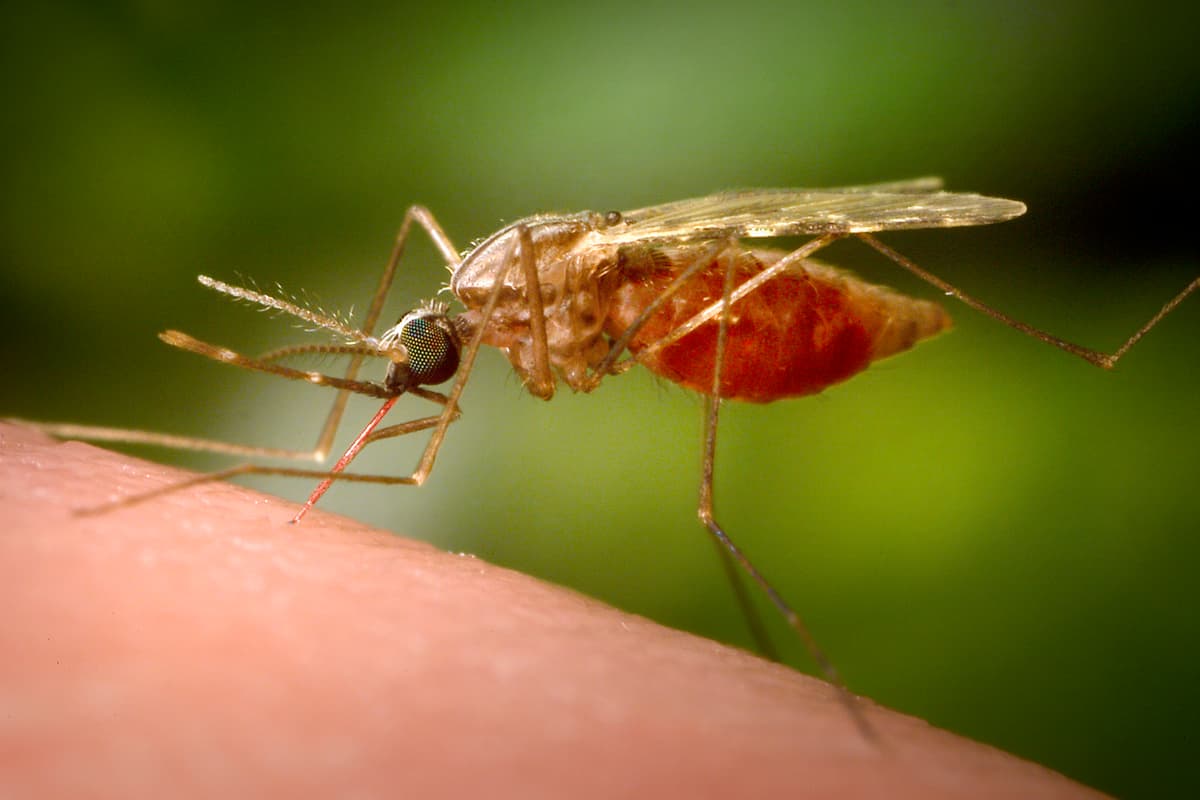
A feeding female Anopheles funestus mosquito. James Gathany/CDC via AP

China is taking severe measures after an outbreak of a mosquito-borne illness rare in the country. There have been more than 7,000 cases of chikungunya virus, with more than 3,000 reported in the past week. The cases are spreading across the Guangdong area of southern China.

There is currently no medicine to treat chikungunya, but deaths are rare. The virus causes fever, headache, rash, and joint pain that can be severe and sometimes last for years.

Outbreaks are rare in China but they have occurred in Africa, the Americas, Asia, Europe, and the islands of the Indian and Pacific Oceans, according to the Centers for Disease Control and Prevention.

The virus cannot be passed from person to person but that isn’t stopping Chinese authorities from implementing pandemic-style measures including forced quarantines.

Guangdong officials say they are taking “decisive and forceful measures” to contain the outbreak, according to the BBC. Among the measures are orders to remove stagnant water, even water from coffee pots, from properties.

Officials are patrolling with drones to detect sources of stagnant water and residents face fines of up to $1,400 for violations.

Electricity is being cut off to households that are not cooperating with the emergency measures, according to an online posting in the district of Guicheng.

Patients in the city of Foshan are being forced to stay in the hospital with mosquito nets around their beds for up to seven days.

Officials are also requiring a real-name registration to track every person being given fever medicine due to the virus, similar to what was required during the Covid-19 pandemic, the South China Morning Post reports

While the cases have mostly been mild, there are still reports of some panic.

“This is scary. The prolonged consequences sound very painful,” one person wrote on the social media platform Weibo, according to the BBC report.

Another Weibo user questioned the drastic measures, asking, “What’s the point of the quarantine? It’s not as though an infected patient will then go around biting other people?”

The CDC has raised its travelers’ health advisory level for China due to the outbreak. While it is not urging a suspension of travel for most people except pregnant women, it suggests practicing enhanced precautions, such as using insect repellent, wearing long-sleeved shirts and long pants, and staying in places with air conditioning or window screens.

It recommends taking one of the two chikungunya vaccines that are approved for use in the United States prior to travel.


The New York Sun

© 2025 The New York Sun Company, LLC. All rights reserved.

Use of this site constitutes acceptance of our Terms of Use and Privacy Policy. The material on this site is protected by copyright law and may not be reproduced, distributed, transmitted, cached or otherwise used.

The New York Sun

Sign in or  create a free account

or
By continuing you agree to our Privacy Policy and Terms of Use