Debanking President Trump

The president, citing his own experience, puts a spotlight on an abuse by big banks at home and abroad.

Chip Somodevilla/Getty Images
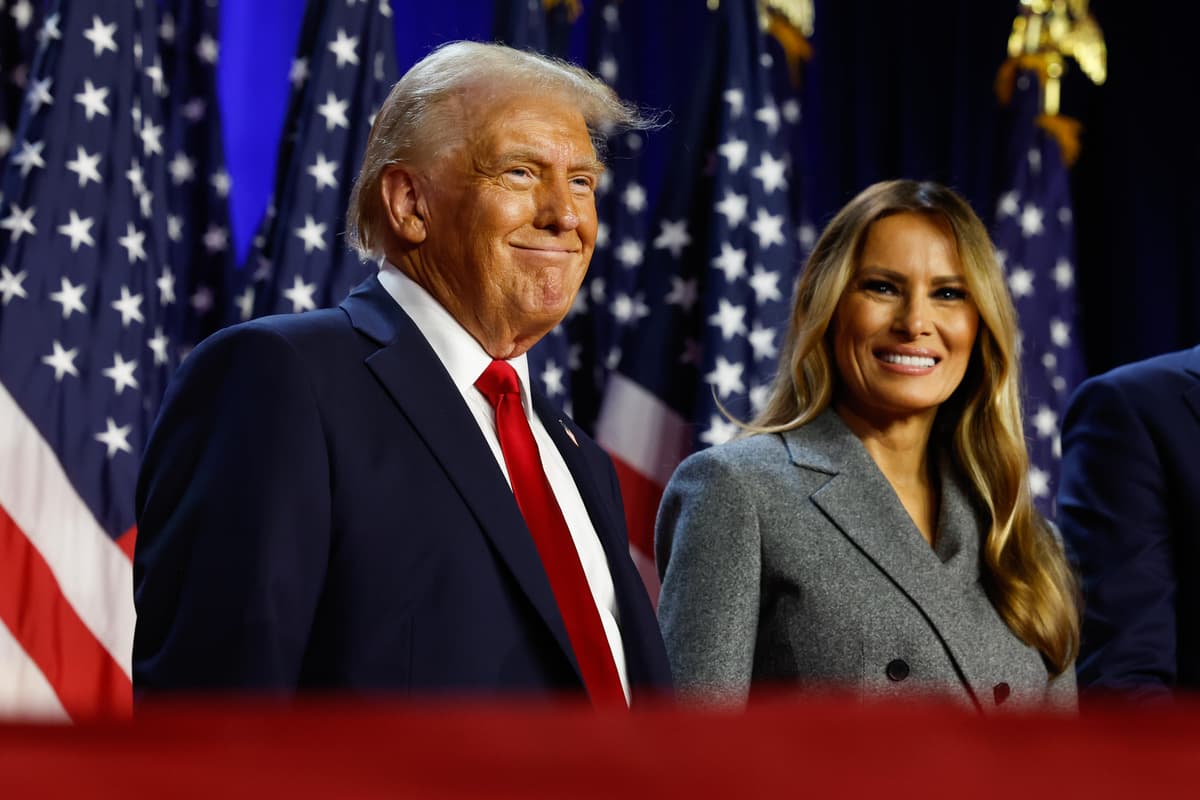
President Trump and Melania Trump on November 6, 2024, at West Palm Beach, Florida. Chip Somodevilla/Getty Images

President Trump looks poised, via executive order, to take on the discrimination against conservatives by financial firms. This, known as “debanking,” has for years been a grievance among the right, including the Brexit advocate Nigel Farage. His claims of being debanked led to the resignation of a leading bank’s chief executive and a warning from a top British financial watchdog. Mr. Trump, too, contends that he was a victim of the practice.

“The banks discriminated against me very badly,” Mr. Trump says, pointing to two firms that, after his first term, refused to accept deposits from the Trump Organization. The message from banks to Mr. Trump was that “you have 20 days to get out,” the president said on CNBC. The shunning followed “pressure from the Biden administration’s banking regulators and the Federal Reserve,” a finance columnist, Charles Gasparino, reports in the New York Post. 

The president isn’t alone in protesting being debanked. His wife, Melania, has lamented that following the Capitol riot of January 6, her bank account was terminated, and she was unable to open an account for her son, Barron. Venture capitalist Marc Andreesen has raised concerns, too, about right-leaning “investors, founders and their companies being kicked out of the banking system” because banks were labeling them as “politically exposed.”

The effort to debank Mr. Trump, our Larry Kudlow reports, was part and parcel of the Biden administration’s broader push to advance leftist causes. President Biden’s regulators, Mr. Kudlow explains, “were pressing banks to discriminate against Mr. Trump, conservatives, religious organizations, crypto,” and even “fossil fuel oil companies, or anybody who didn’t worship at the altar of DEI,” meaning diversity, equity, and inclusion programs.

Mr. Andreesen has echoed those concerns, Joshua Franklin writes in the Financial Times. The investor sounded a warning about how “industries that are frowned upon by the government” or that are seen as threats to “traditional financial companies,” like crypto firms, are “having their banking access taken away,” Mr. Franklin reports. The Times, too, reports that “right-leaning organizations” say they have been debanked “because of their political positions.”

That was Mr. Farage’s protest in Britain. The Guardian reported that he found evidence of “a prestigious private bank,” Coutts, terminating his account for reasons other than financial, but because his opinions “do not align with our values,” as the bank put it. The bank, Mr. Farage said, apparently looked askance at his skepticism of pro-diversity efforts, his advocacy of Brexit, and even his friendship with a tennis pro, Novak Djokovic. 

Mr. Farage compared the bank’s internal report to a “brief drawn up by the prosecution in a case against a career criminal.” In the aftermath of the Farage debanking debacle, the head of NatWest Group, which owns Coutts, resigned, and Britain’s Financial Conduct Authority, the Guardian reported, warned “financial firms — including banks, payment firms and lenders” to “not disadvantage people running for office or taking senior public roles.”

Concerns about debanking being deployed against conservatives — including even the president — animate Mr. Trump’s new push to prevent the practice. “The White House is preparing to step up pressure against big banks over perceived discrimination against conservatives and crypto companies,” the Wall Street Journal reports. A proposed executive order, the Journal adds, eyes fines against “lenders that drop customers for political reasons.”

A draft of the order points as well to banks’ actions following January 6, and “an instance where Bank of America was accused of shutting down the accounts of a Christian organization operating in Uganda based on the organization’s religious beliefs,” the Journal reports. The chairman of the Banking Committee, Senator Scott of South Carolina, is, Mr. Gasparino reports, also weighing legislation to “outlaw debanking.”

A banking committee report calls debanking “a serious problem affecting at least thousands of consumers” and says “big banks are the primary agents” behind it. More hearings could help weigh the extent of the practice, but the high-profile cases of Messrs. Trump and Farage underscore the injustice of banks discriminating against their customers over politics. Federal law, as opposed to a reversible executive order, could prove the best vehicle to curb the practice.


The New York Sun

© 2025 The New York Sun Company, LLC. All rights reserved.

Use of this site constitutes acceptance of our Terms of Use and Privacy Policy. The material on this site is protected by copyright law and may not be reproduced, distributed, transmitted, cached or otherwise used.

The New York Sun

Sign in or  create a free account

or
By continuing you agree to our Privacy Policy and Terms of Use