
Demise of ‘Independent’ FCC Could Spell Trump’s Constitutional Restoration
Depending on the Supreme Court, a larger reshaping of the federal bureaucracy — and a setback for the Deep State.
The apparent demise of an “independent” Federal Communications Commission could foretell a larger reshaping of the federal bureaucracy under President Trump — and a setback for the Deep State. Yet the extent of this transformation could depend on whether, and to what degree, the Supreme Court endorses Mr. Trump’s campaign to exercise his constitutionally-assigned authority as the sole head of the executive branch.
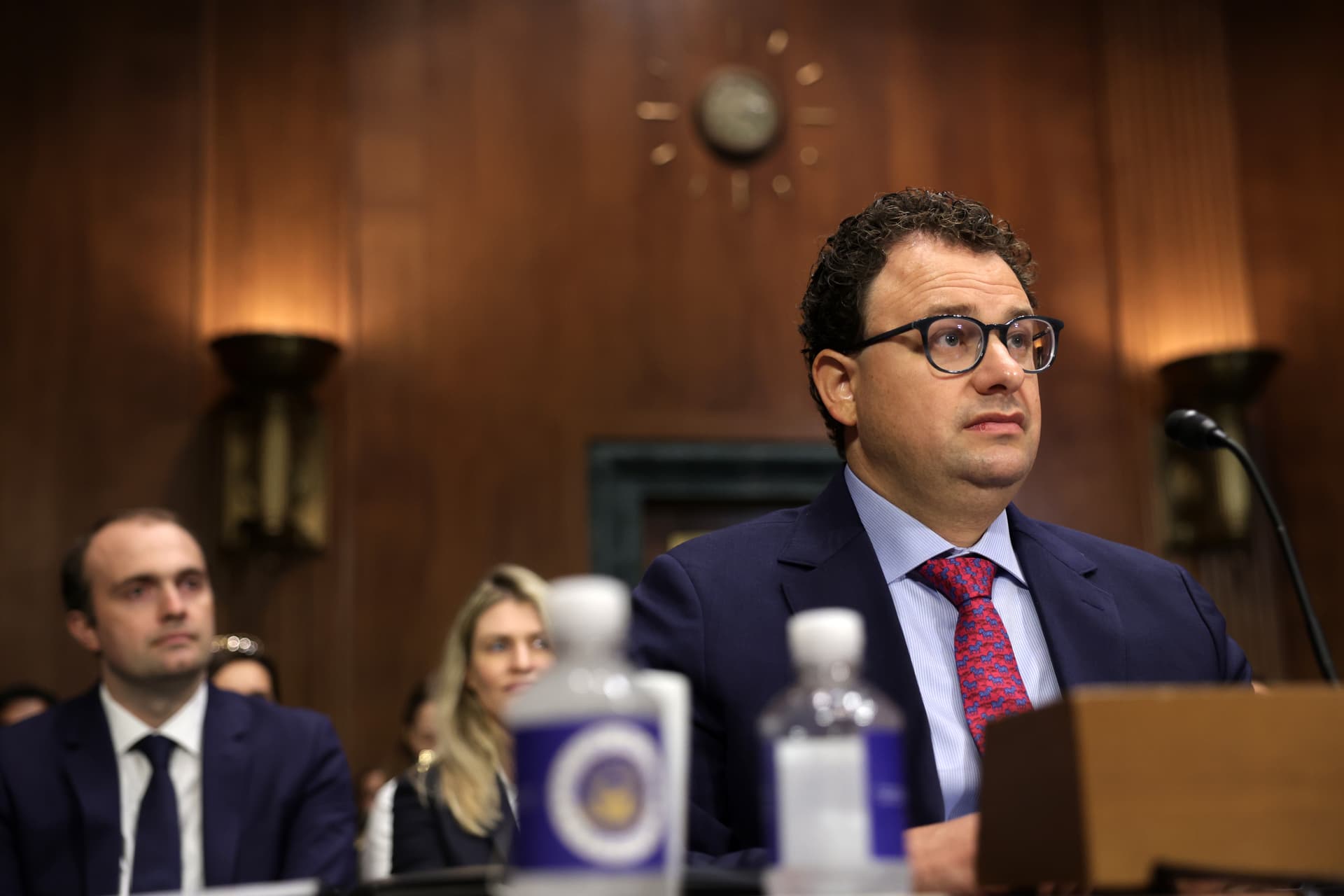
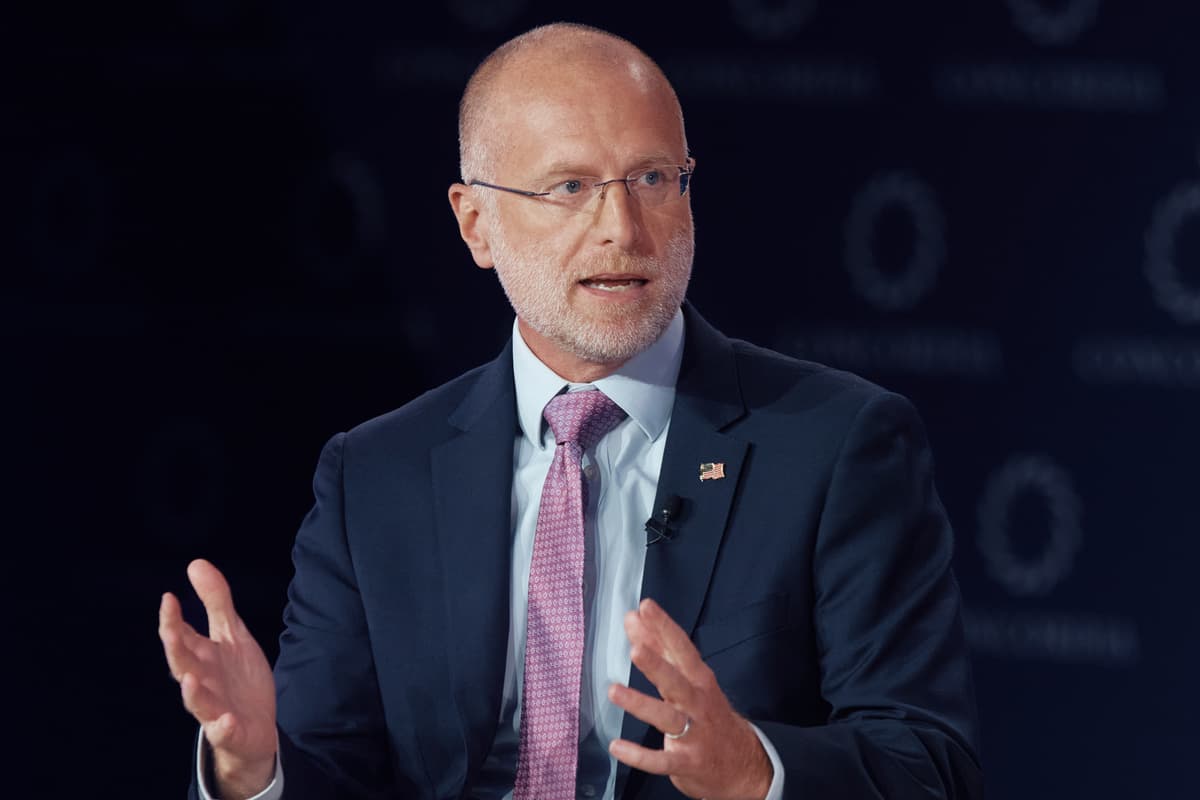
The status of the FCC as an executive branch agency — and therefore an entity under the president’s supervision — was thrown into relief on Wednesday by Chairman Brendan Carr in remarks at a Senate hearing. He explained to the solons that the FCC “is not an independent agency, formally speaking.” During the course of his testimony on Capitol Hill, per Axios, the FCC deleted from its website the word “independent” in the agency’s mission statement.
Senator Ben Ray Luján, a New Mexico Democrat, queried Mr. Carr about the FCC’s autonomy, pointing out that the agency’s website, on Wednesday morning, featured the word “independent.” Mr. Luján averred: “If this is lying, then you should just fix it.” He denied attempting to ask a “gotcha question.” A spokesman for the FCC told Axios that “with the change in administration earlier this year, the FCC’s website and materials required updating.”
The changes afoot at Washington, though, go beyond any website verbiage. The project being undertaken by Mr. Trump and his camarilla is meant to restore the balance of separated powers envisioned by the Framers in the Constitution. The goal, as Mr. Trump’s solicitor general, John Sauer, just told the Supreme Court in the case of Trump v. Slaughter, is “to ensure that the executive branch is overseen by a President accountable to the people.”
The Slaughter case centers on Mr. Trump’s termination, without cause, of a Federal Trade Commissioner, Rebecca Slaughter, in order for the president to regain ideological control of the agency. That would require the Nine to reverse a precedent from 1935, Humphrey’s Executor v. United States, which held that a president cannot fire the board members of so-called “independent” agencies like the FTC — or the FCC for that matter.
Mr. Trump’s demarche could be giving liberals pause, but it’s of a piece with his constitutional duty to “take care that the laws be faithfully executed.” That means, per the unitary executive, he needs to ensure that agencies like the FCC are operating in line with presidential prerogatives. This cuts against the grain of the liberal outlook that animated the proliferation of so-called “independent” agencies during the 20th century.
The vision of these liberals, influenced by Progressive-Era ideals about “good government,” was to place these agencies above the political fray via the illusion of nonpartisan control. As it turned out, though, these agencies grew into an unaccountable, unelected branch of government. Along with Civil Service protections on federal bureaucrats, these agencies helped bring into being the Deep State that operates independently of presidential oversight.
That all could be about to change under Mr. Trump, depending, in part, on how the high court rules in Slaughter. The emerging question for the left, as Justice Neil Gorsuch intimated in oral arguments in the case, is whether the heirs of the Progressive movement will see their error in building up over decades the federal leviathan. One upshot of the Trump presidency is that liberals could come to see the merits of limited government.