Europe, Stepping Up To Aid Ukraine’s Defense, Girds for Aggression From Russia
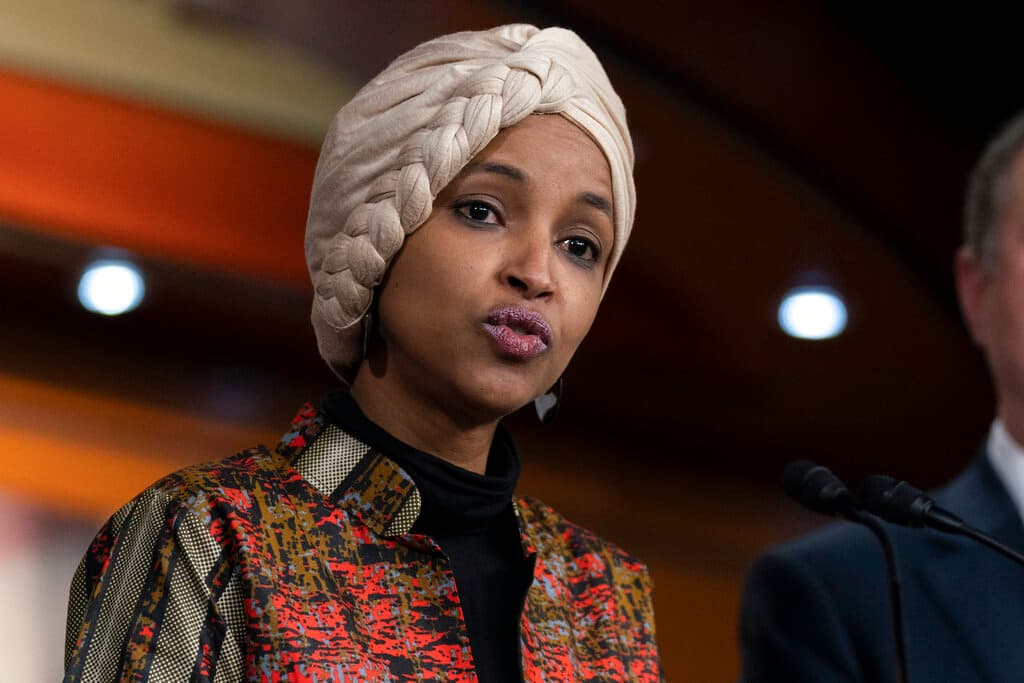
Secretary General Mark Rutte of the North Atlantic Treaty believes Russia will be ready to attack by 2030.
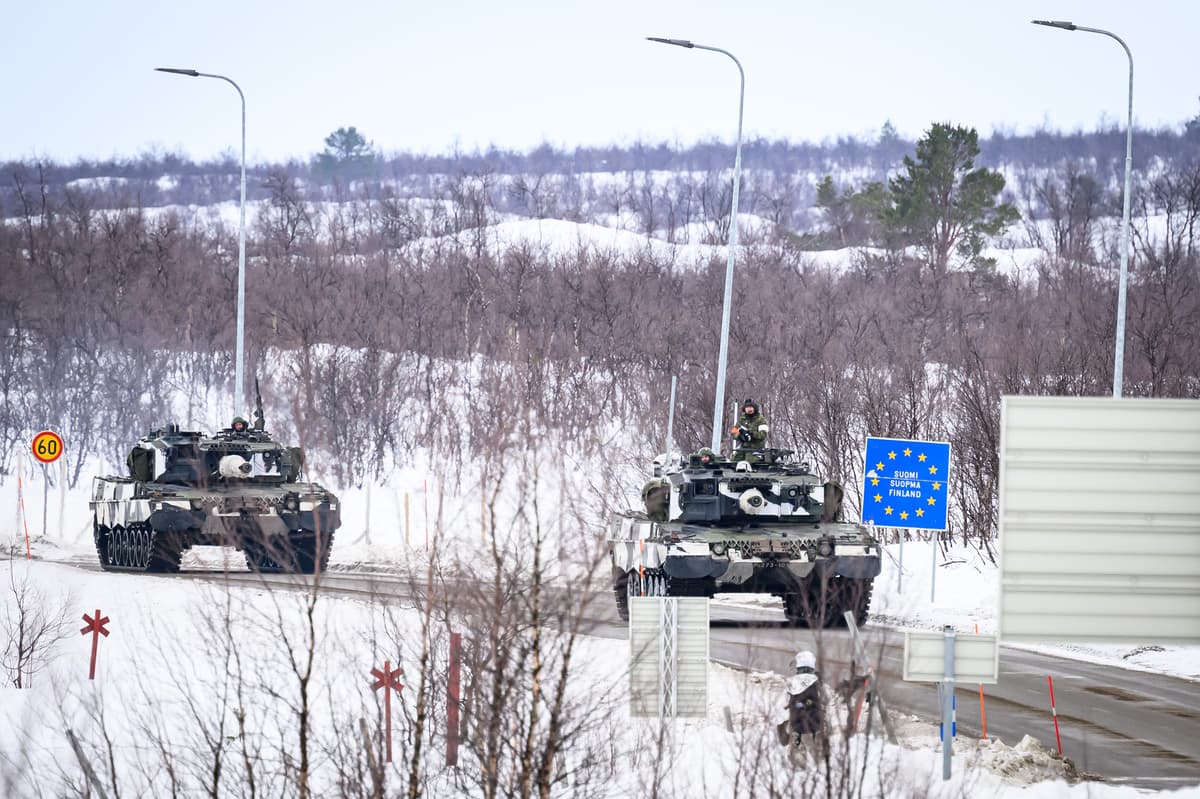

Preparing for a potential Russian invasion, Polish museum directors are drawing up evacuation plans to hide paintings in the West. In Estonia, bulldozers are digging 10-foot-deep, V-shaped border trenches — part of a new, 845-mile long Baltic Defense Line. This month, the Royal Danish Army began drafting women for the first time.
Sweden, long renowned for its pacifism, is distributing to all households a civil defense pamphlet: “If War Comes.” The key message is: “If Sweden is attacked, we will never surrender. Any suggestion to the contrary is false.” With the support of all eight parties in parliament, Sweden is doubling defense spending. Asked why, the finance minister, Elisabeth Svantesson, responded: “We are doing this so our children and our grandchildren don’t need to learn Russian.”
With Russia bogged down in Ukraine, few military analysts expect Moscow to immediately attack another country on its 2,655-mile-long western border. Looking at Russia’s ramped up arms production, though, Secretary General Mark Rutte of the North Atlantic Treaty believes Russia will be ready to attack by 2030.
“Russia produces more ammunition in three months than all NATO countries do in a year,” Mr. Rutte, a former Dutch prime minister, says. He says that this year Russia is expected to produce 1,500 tanks, 3,000 armored vehicles, and 200 Iskander missiles. Over the last three years, Russia has increased by five-fold the production of its most modern battle tank, the T-90M. Ominously, these 51-ton tanks are not appearing on Ukraine’s battlefields.
“There are no signs of conversion of Russian production to civilian purposes, not even in the event of a cease-fire,” Italy’s defense minister, Guido Crosetto, said after last month’s NATO summit. Noting that Russia had 200,000 soldiers killed and wounded in the first six months of this year, he added: “Russia managed to mobilize another 300,000 in six months without any erosion of domestic consensus.”
Chancellor Merz of Germany thinks some American politicians are naive about the growing Russian threat. “I met with some senators on Capitol Hill and told them to please look at the rearmament Russia is doing,” Mr. Merz said after visiting Washington last month. “They clearly have no idea what is happening there right now.”
Alarm bells ring most loudly in Germany, Poland, the Baltics, and the Nordics. This year, every western neighbor of Russia, apart from Norway, is withdrawing from the Ottawa Convention. Drawn up in the West’s post-Cold War glow, this 1997 treaty bans the use of anti-personnel land mines.
In a sign of the times, the vote in Poland’s parliament last month was 413 in favor and 13 opposed. Since then, Poland and Lithuania have said they will start production of the mines. In another measure of the mood, Finland and Lithuania banned land sales this year to Russians and Belarussians.
On a larger scale, the latest Eurobarometer survey of European public opinion finds that Russia’s attack on Ukraine tops Europe’s worry list. Of respondents, 77 percent say the invasion poses a threat to European security, and 78 percent say they worry about Europe’s defense through 2030.
Only 59 percent supported sending military aid to Ukraine. This figure could be depressed by people who want to keep military equipment at home. While Poland races to build the European Union’s largest army — 500,000 men and women in uniform — only half of Poles support giving more military aid to Ukraine.
From Britain to Warsaw, Europeans favor stopping Russian expansionism in eastern Ukraine. This spring, for the first time in the more than three-year war, Europe topped America as the lead aid supplier to Ukraine, Germany’s Kiel Institute reported last month.
Unnerving Europeans, Kremlin officials keep moving its goal posts. Last month, the deputy foreign minister, Sergei Ryabkov, told TASS news agency that one key to peace in Ukraine would be for NATO to remove all its troops from Estonia, Latvia, and Lithuania. These three Baltic nations joined NATO 21 years ago.
Yesterday, Russia’s foreign ministry spokeswoman, Maria Zakaharova, tweeted images of the official shields of the Soviet-era Baltic republics, writing: “July 21 marked 85 years since the establishment of the Latvian, Lithuanian, and Estonian SSR. Despite the significant advantage of large-scale Soviet investments and subsidies, these nations have been reduced to Europe’s economic periphery today.”
On July 3, Belarus Independence Day, President Lukashenko said that if Poland and the Baltics continue to “serve the West’s aggressive plans,” all four countries could be annexed by Russia and Belarus.
Equally unsettling are hostile and incendiary comments by Kremlin propagandists. “Rutte has clearly gorged on too many of the magic mushrooms beloved by the Dutch,” a former Russian president, Dmitry Medvedev, posted earlier this month on X. “But he’s right about one thing: he should learn Russian. It might come in handy in a Siberian camp.”
One of the Kremlin’s top propagandists, Vladimir Solovyov, last month said Russia should invite Houthi terrorists and “Somali pirate leaders” to live in Kaliningrad, Russia’s Baltic exclave. He said: “The Houthis will hunt with drones, and the Somalis, out of habit, will explain to the Balts who’s the boss.”
This kind of talk fuels rapid increases in British and European defense spending. Britain’s army, with 70,000 soldiers, is at its smallest since the Napoleonic wars of two centuries ago. Last month, Prime Minister Starmer pledged the largest sustained increase in British defense spending since the end of the Cold War. Rather than a surge in soldier numbers, Sir Keir promised to invest in drones and digital capabilities for a more dangerous force.
In Germany, defense spending is to double over the next five years, to $190 billion in 2029. Germany and the majority of NATO’s 32 member nations vowed at the most recent NATO summit to raise defense spending to 5 percent of GDP, from an alliance goal of 2 percent today. Yesterday, Ms. Zakharova, of Russia’s foreign ministry, denounced Mr. Merz’s “forced militarization of Germany.”
Defense giant Rheinmetall expects orders worth up to $81 billion from the Bundeswehr, or armed forces, the firm’s chief executive, Armin Papperger, says. This includes delivery of 7,000 armored vehicles — Leopard 2 tanks, Puma Infantry Fighting Vehicles, and Boxer Armored Personnel Carriers.
Last week, the European Union approved its toughest sanctions yet on Russia. They include lowering the Russian oil price cap to 15 percent below the market price, sanctioning another 105 vessels of Russia’s “shadow” oil fleet, and imposing sanctions on 22 Russian banks and on two Chinese banks on Russia’s border.
“We are striking at the heart of Russia’s war machine,” the EU Commission president, Ursula von der Leyen, said. “The pressure is on. It will stay on until Putin ends this war.” At Moscow, Mr. Medvedev posted: “European idiots have agreed on the 18th package of sanctions against our country,” though “our economy will, of course, survive.” He added that “attacks on the so-called Ukrainian targets, including Kiev, will be carried out with increasing force.”
From Berlin, journalist Paul Hockenos wrote for Foreign Policy’s website: “The Europeans’ pledges of support are more than just lip service: They understand the centrality of this war to long-term European security, so much so that it is now their top priority.”
One American Euro-skeptic seems to be convinced. After attending the NATO summit in the Hague, where country after country pledged to raise their defense spending to 5 percent of GDP, President Trump said of NATO: “It’s not a rip-off — and we’re here to help them.”