Eurovision Wheels on Israel
The song contest caves to a boycott and puts up for a vote whether to exclude the Jewish state.
For an organization that champions the tagline âUnited by Music,â the Eurovision Song Contestâs decision to vote on Israelâs inclusion in next yearâs competition represents a shocking betrayal of its own values. The announcement came Thursday after Spain, Ireland, Slovenia, the Netherlands, and Iceland threatened to abandon the Vienna competition in May if Israel is allowed to participate.
The European Broadcasting Union reasoned that the âunprecedented diversity of viewsâ on Israelâs involvement made it impossible âto reach a consensual positionâ on the issue, according to a letter sent to members. Since Eurovision had ânever faced a divisive situation like this before,â the broadcaster concluded the question âmerited a broader democratic basis for a decisionâ where âall membersâ could be âgiven a voice.â
Is opposition to Israelâs involvement in the contest really so âunprecedentedâ? Last year, dozens of former participants signed a petition citing Israelâs alleged âgenocide against the Palestinians in Gaza and the decades-long regime of apartheid and military occupationâ as grounds for Israelâs expulsion. Ireland, Iceland, Slovenia, and Spain urged Eurovision to take action against Israel as it did with Russia after Moscow invaded Ukraine.
Eurovision rejected the boycott effort, stating that Russian broadcasters were suspended due to âpersistent breaches of membership obligations and the violation of public service values.â In contrast, Israelâs broadcaster, KAN, operates independently of government oversight. The song contest also reaffirmed its commitment to remaining apolitical and promoting âconnections, diversity and inclusion through music.â
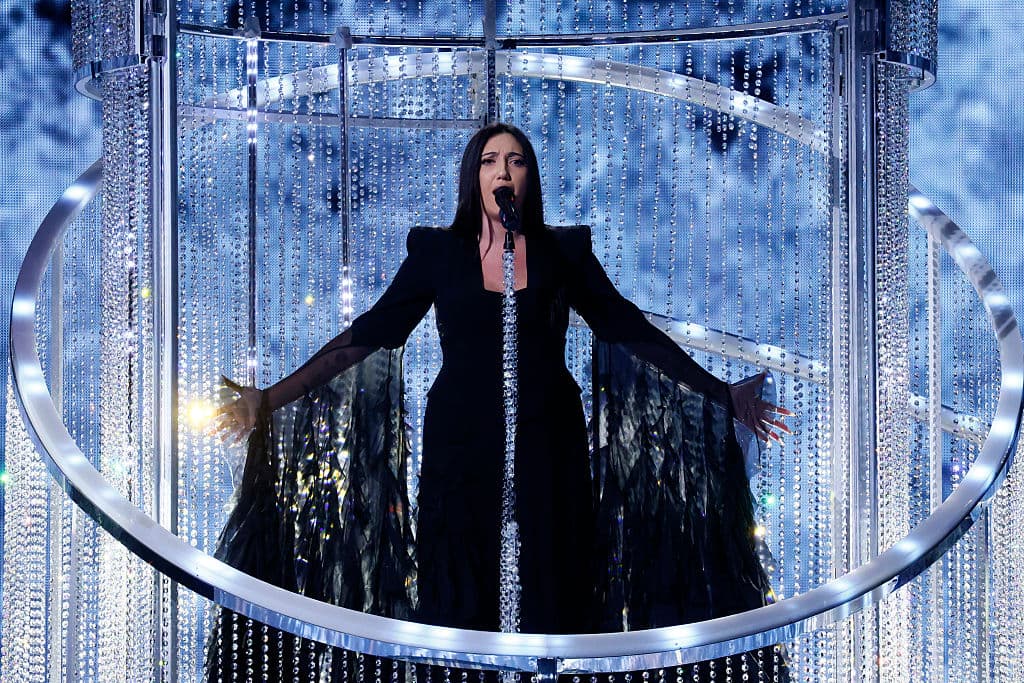
Israelâs 2025 contestant, Yuval Raphael â a survivor of the Nova massacre â competed and captured hearts worldwide with her emotional ballad âNew Day Will Rise.â The 24-year-old rising star received a record-breaking number of public votes, boosting her final score to second place. Ms. Raphaelâs strong showing even prompted accusations of fraud or manipulation, though Eurovision officials swiftly dismissed these claims.
Yet this year, Israelâs opponents have raised the stakes. The same countries now threaten to withdraw entirely, taking with them substantial participation fees and commercial opportunities. Losing Spain would prove especially costly for the European broadcaster. As one of the music competitionâs so-called âBig Fiveâ sponsors, Spain automatically qualifies for the final and provides major financial support.
Such a financial outcome may be challenging. Yet of greater consequence is the possibility of Israelâs expulsion from yet another cultural stage. Earlier this month, a German orchestra was removed from a Belgian festival after organizers said its Israeli conductor had not provided âsufficient clarity about his attitudeâ toward Israelâs government. Twenty-four hours later, a chess tournament in Spain banned Israeli players from competing under the Israeli flag.
The string of events was observed by Israelâs special envoy for combating antisemitism, Michal Cotler-Wunsh, who warned that âWe are witnessing increasing examples of the erasure of âthe Jew.ââ Ms. Cotler-Wunsh added that this follows âdecades of systematic demonization, delegitimization, and double standardsâ perpetrated by the very institutions and organizations created to ensure that the Holocaust would ânever againâ occur.
Eurovision now stands at a crossroads. Will it uphold the inclusive values it proclaims, or will it become the latest organization to treat Israel â and, by extension, all Jews â as uniquely unworthy of participation in civilized society? The European Broadcasting Unionâs 68 members will cast their votes in November. That decision will illuminate whether âUnited by Musicâ represents a genuine commitment or merely an empty slogan.