

Fani Willis, Exit Stage Left

The disqualification of the district attorney clears the way to end a case that was misbegotten from the outset.
Alyssa Pointer/pool via AP
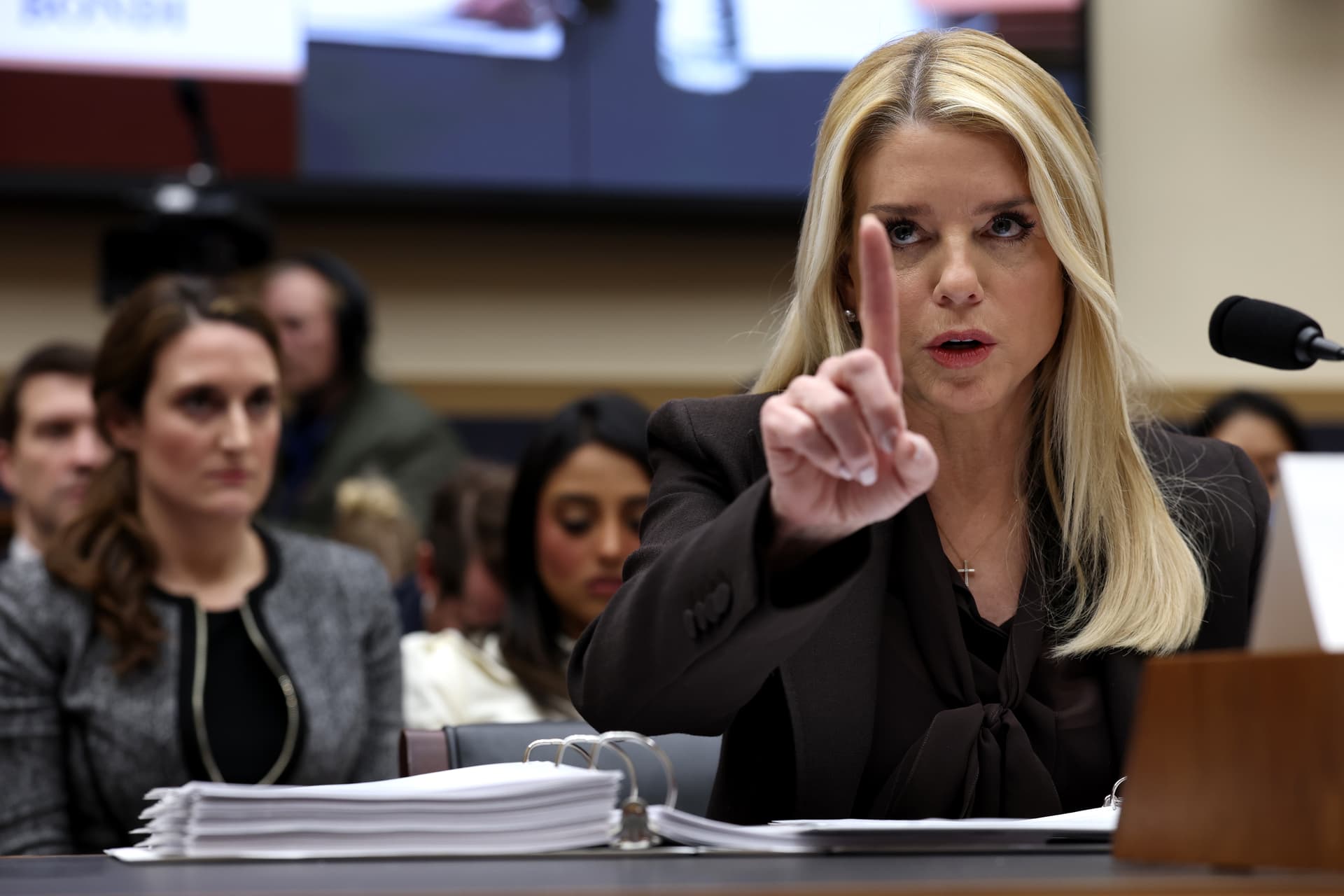
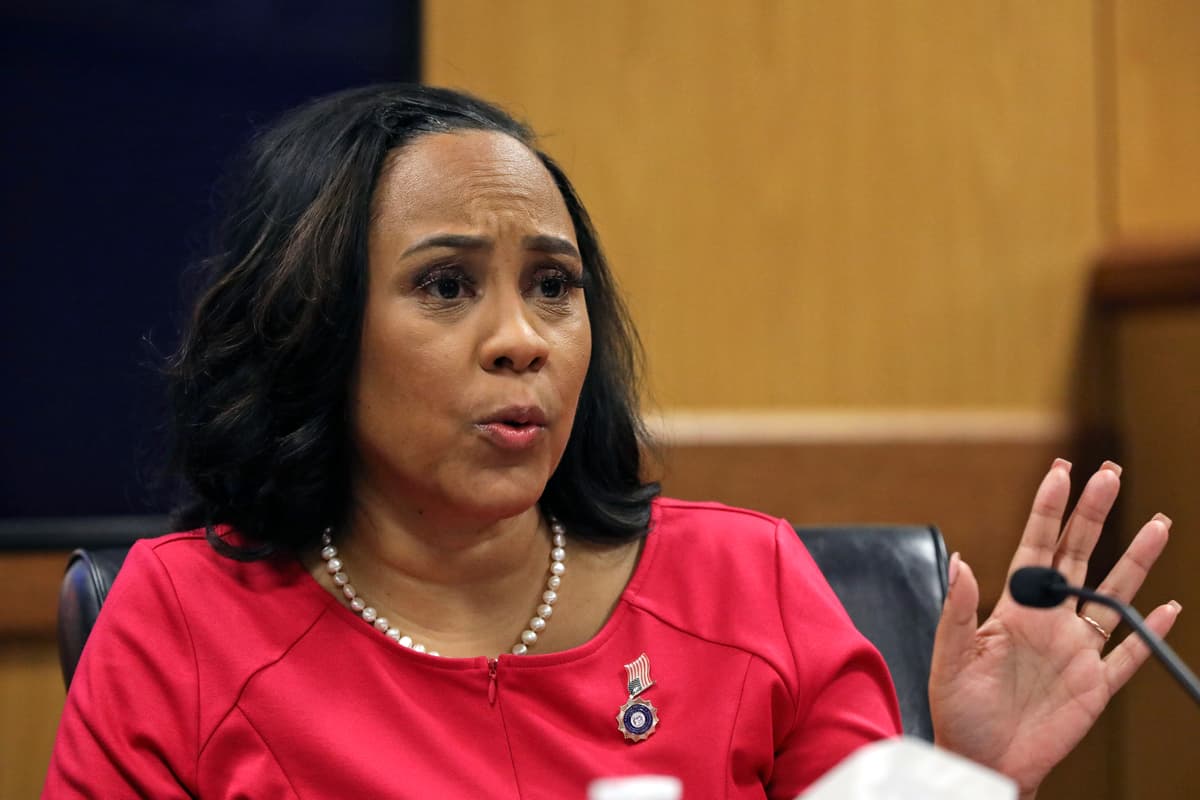
Fani Willis, the Fulton County district attorney, testifies about her romance with Mr. Wade on February 15, 2024, at Atlanta. Alyssa Pointer/pool via AP

The permanent disqualification of the district attorney of Georgia’s Fulton County, Fani Willis, from prosecuting President Trump and more than a dozen others is first and foremost a consequence of personal misconduct. Ms. Willis, an elected — and recently re-elected — Democrat, conducted a secret affair with the man who she hired to helm the prosecution. She paid him some $700,000 in taxpayer money. Georgia courts could hardly contain their disbelief.

Ms. Willis’s private life is her own, but these columns have long grasped that her relationship with the prosecutor, Nathan Wade, raised due process concerns for all of her defendants, not least Mr. Trump. The Fulton County code of ethics appears to mandate that the “significant appearance of impropriety” that courts found was generated by the relationship between Mr. Wade and Ms. Willis can be enough to warrant disqualification from a case. 

The end of Ms. Willis’s tenure could mean that the constitutional stakes of this case will soon emerge into sharp relief. The Georgia court of appeals disqualified Ms. Willis after finding that this was the “rare case in which disqualification is mandated and no other remedy will suffice to restore public confidence in the integrity of these proceedings.” The appellate court, though, declined to dismiss the charges altogether, finding such a move “extreme.”

By statute the task of finding a new prosecutor falls to one Pete Skandalakis. He leads the Prosecuting Attorneys’ Council of Georgia. The prosecutor Mr. Skandalakis picks — he is already reviewing resumes — will possess the authority to carry Ms. Willis’s banner, ditch the case altogether, or amend it. Any prosecution of Mr. Trump will have to contend with the Department of Justice’s “categorical” prohibition on prosecuting a sitting president.

While the DOJ’s conclusion does not bind state prosecutors, the Supreme Court’s ruling in Trump v. United States does. That case holds that presidents are presumptively entitled to immunity for official acts, even as they are bereft of such protection for unofficial ones. Ms. Willis’s racketeering indictment, crafted before Trump was decided, will have to be updated. Special Counsel Jack Smith could be called in for pointers. And cited as a cautionary tale.

A sitting president has never before been tried on state charges, but, by our lights, the DOJ’s rationale that a criminal prosecution would distract from the president’s constitutionally mandated duties appears to apply just as forcefully to a state case as a federal one. The Supreme Court has allowed civil proceedings against presidents to proceed, but only because the burden of a civil suit was perceived to be less than the heavy load of criminal proceedings.

The disqualification of Ms. Willis was scarcely imaginable on the day Mr. Trump trundled to Fulton County jail for his mug shot. Already, though, we were wary of the use of Georgia’s racketeering statute to charge him and his camarilla. The expansiveness of those charges, and the heavy penalties they carry, make them ripe for abuse. A new prosecutor now has the opportunity to end a case that appears to have been misbegotten from the outset.


The New York Sun

© 2025 The New York Sun Company, LLC. All rights reserved.

Use of this site constitutes acceptance of our Terms of Use and Privacy Policy. The material on this site is protected by copyright law and may not be reproduced, distributed, transmitted, cached or otherwise used.

The New York Sun

Sign in or  create a free account

or
By continuing you agree to our Privacy Policy and Terms of Use