Getting Real About Hamas — and Qatar
America got early word that the attack in Doha was coming, and neither Qatar nor America held Israel back.


Today’s Israeli air strike against Hamas leaders at Qatar is a game changer that could have long-term ramifications beyond a possible victorious end to the Gaza war. It could prompt a reevaluation of America’s relations with Qatar, which has made an art of playing the dual role of arsonist and fire fighter. Qatar has been called Hamas’s foreign ministry. It is cheered by the Mideast’s worst elements, even as Western naïfs praise it as a peacemaker.
These columns have long called for a more hard-headed approach to Qatar. As recently as March we issued an editorial called “Facing the Truth About Qatar” — including the fact that Qatar’s support of Hamas, as we put it, was partially responsible for the atrocities of October 7, 2023. The Biden administration backed using the Qataris as negotiators, a strategy that has failed to extricate hostages being held in the tunnels of Gaza.
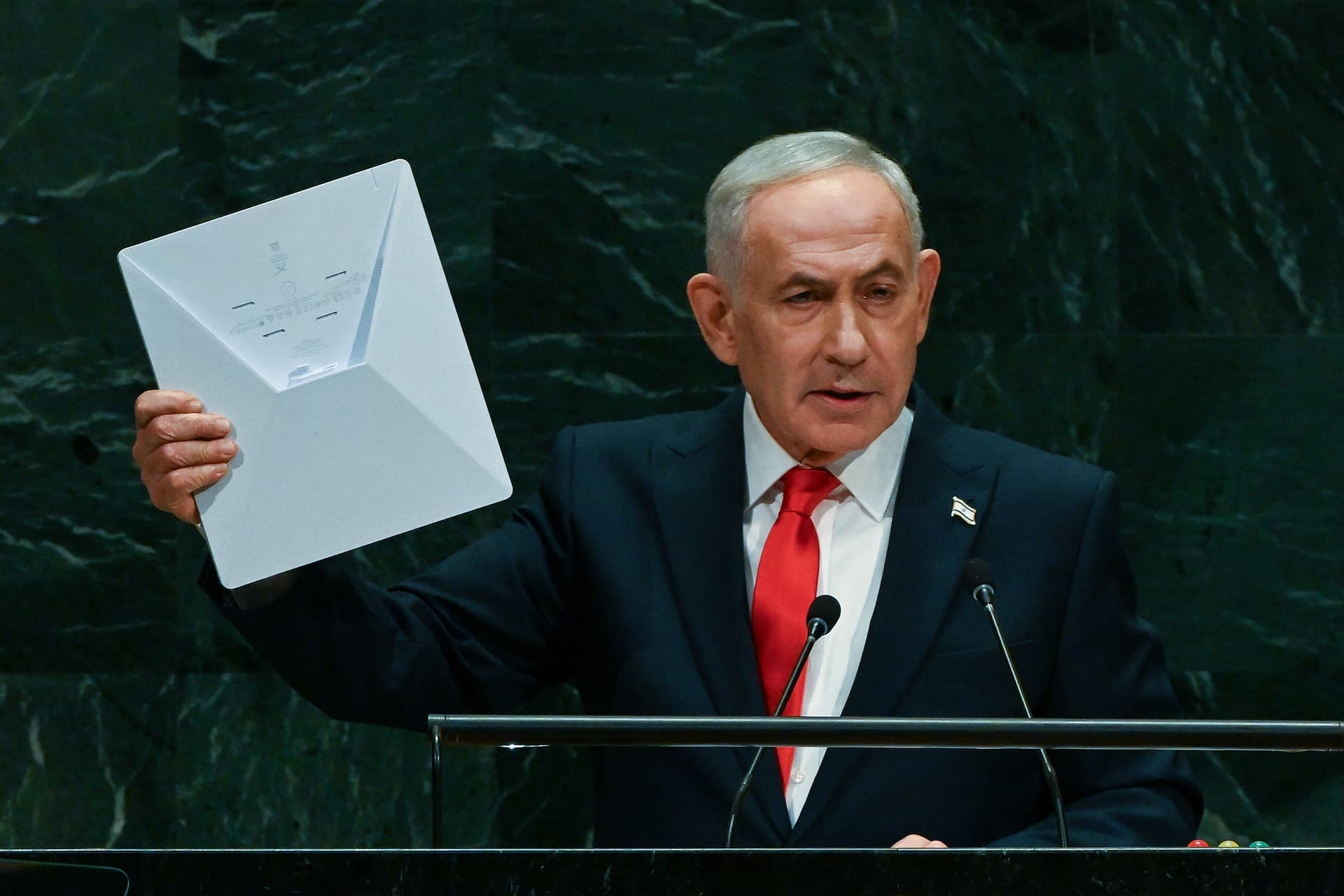
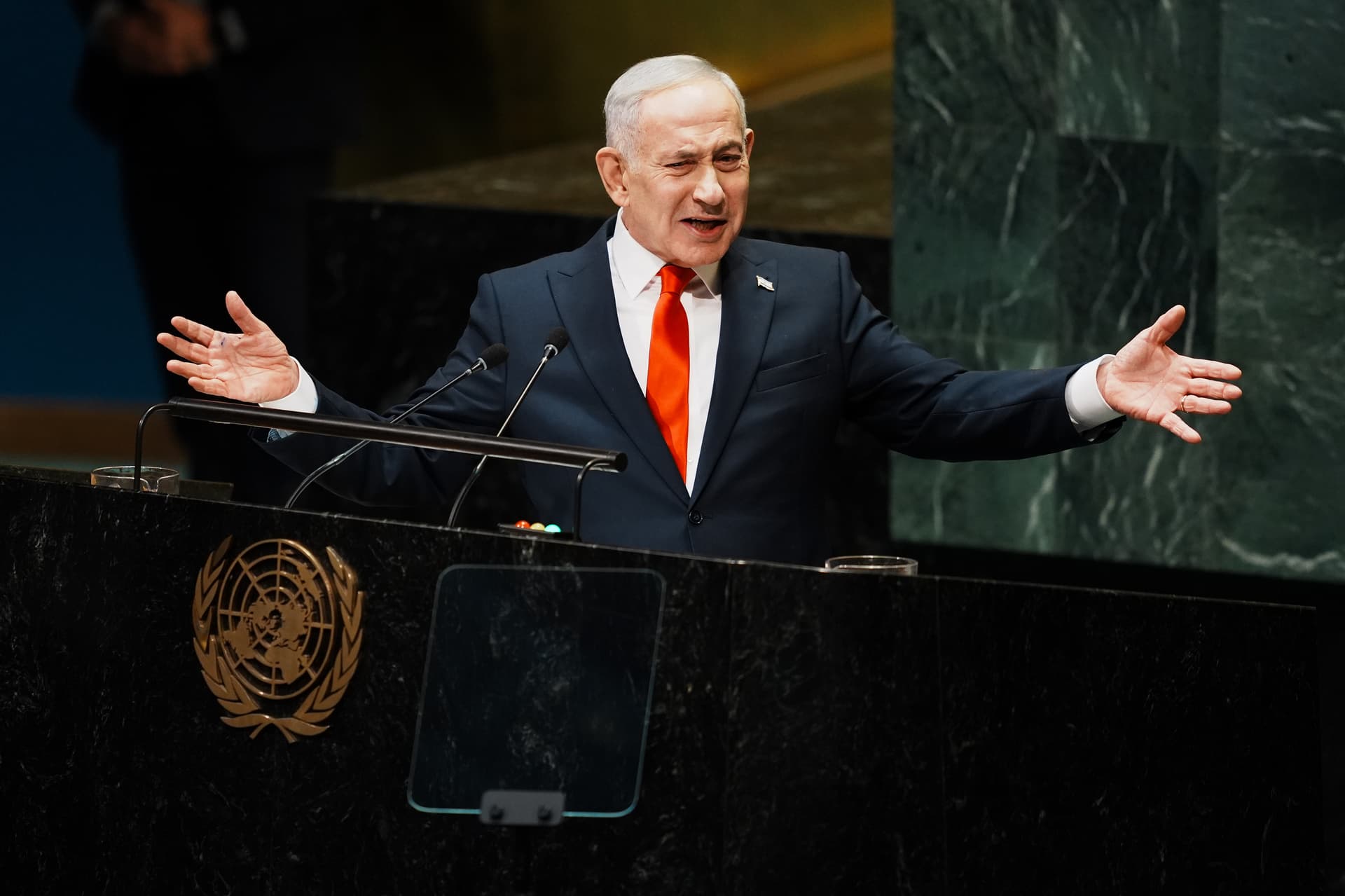
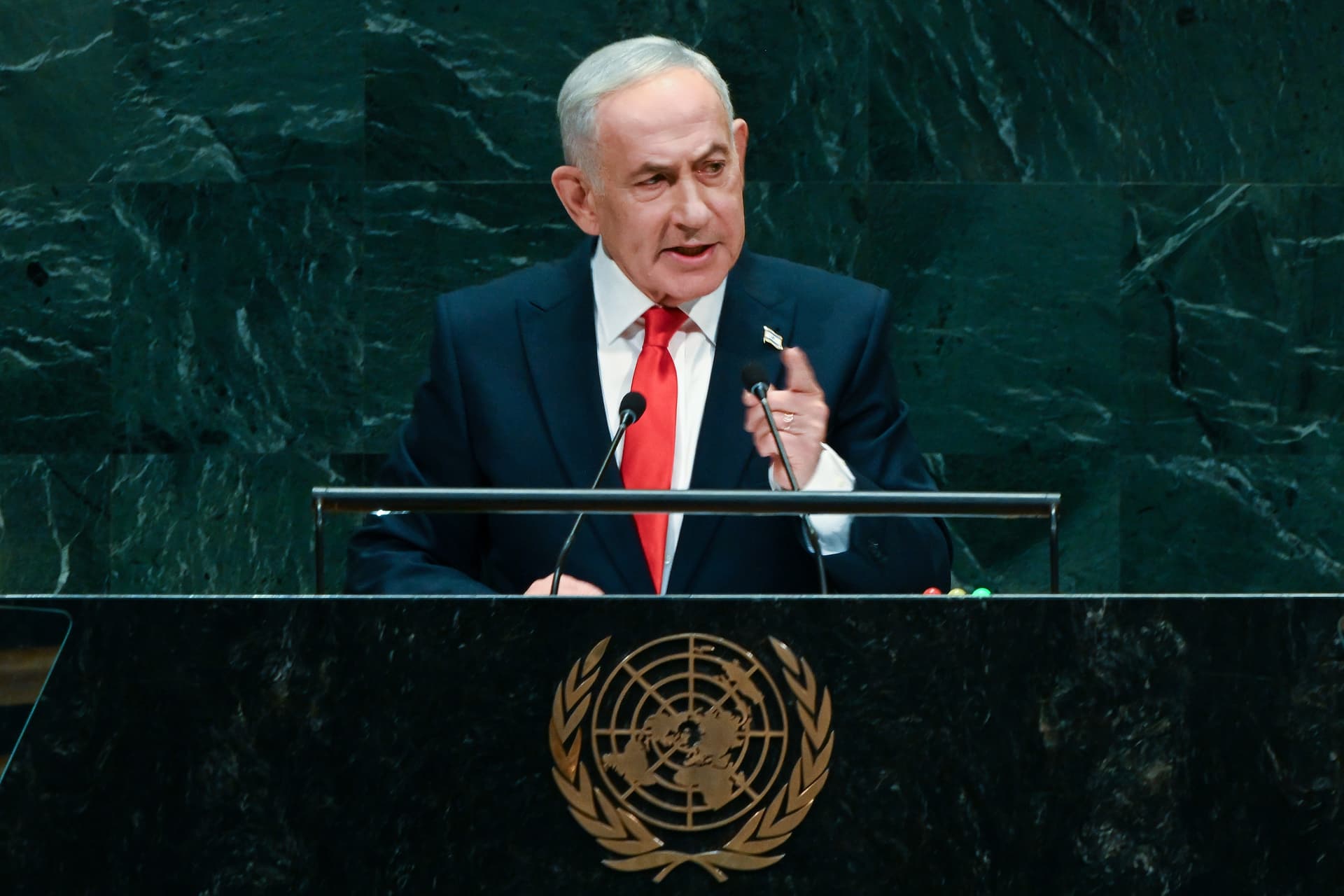
“The days that terrorist leaders enjoy impunity anywhere on earth are over,” Prime Minister Benjamin Netanyahu said today at the American embassy at Jerusalem. He stressed that Israel acted independently. The White House press secretary, Karoline Leavitt, called the strike at the capital of an American ally “unfortunate.” Yet she also said that attacking Hamas leaders who profit from the misery of Gazans is a “worthy goal.”
Ms. Leavitt seems to have crystallized the Qatar dilemma that both America and Israel have faced for a long time. The emirate hosts America’s largest air base in the Mideast. One could not bomb so much as a golf cart nearby without first notifying the Pentagon. After Mr. Trump was notified by the military of what was about to happen, he informed the Doha emir of a strike, according to Ms. Leavitt. Neither Qatar nor America held Israel back.
We remember President Reagan’s public condemnation of Israel’s 1981 bombing of Iraq’s nuclear facility at Osirak, which was expressed at the United Nations by the American ambassador, Jeanne Kirkpatrick, a friend of Israel. Mr. Netanyahu, then a junior diplomat at Israel’s embassy at Washington, often says nevertheless that Pentagon officials burst out with cheers as details of the Osirak raid emerged. Is the same dynamic occurring now?
More importantly, is Mr. Trump reevaluating America’s enabling of an emirate that for too long has enabled our worst enemies? “For Hamas, Qatar is the hope, the resurrection, the future,” the Middle East Media Research Institution’s founder, Yigal Carmon, tells our Benny Avni. Memri has documented Qatar’s long time enabling of Islamist extremists, including its shielding of perpetrators of the September 11, 2001, attacks.
Through its Arabic-language Al Jazeera broadcasts, Doha has instigated anti-Israel and anti-American violence even as it enjoys the benefits of hosting America’s most lucrative military base. It has bribed politicians, bought into our universities, backed opinion leaders, and enticed American diplomats with sweet talk of peace negotiations. Israel’s decision to end that charade might bode a much needed change of policy on an alliance with Qatar.
For now, Qatar says it is out of the Gaza mediation game. Not a moment too soon, we say. If an Arab mediator is needed, Egypt could fill that role. Cairo is at peace with Israel, and has ties in Gaza, but it is fighting the Muslim Brotherhood, which has spawned Hamas. Qatar failed at delivering on Mr. Trump’s hope of ending the war. Israel’s attack could end Hamas as a fighting or ruling force — much to Qatar’s chagrin.