‘Hey, Six Eyes, Get Yourself a New Pair of Glasses’

Major League Baseball is experimenting with robot umpires. Can automated batters be far behind?
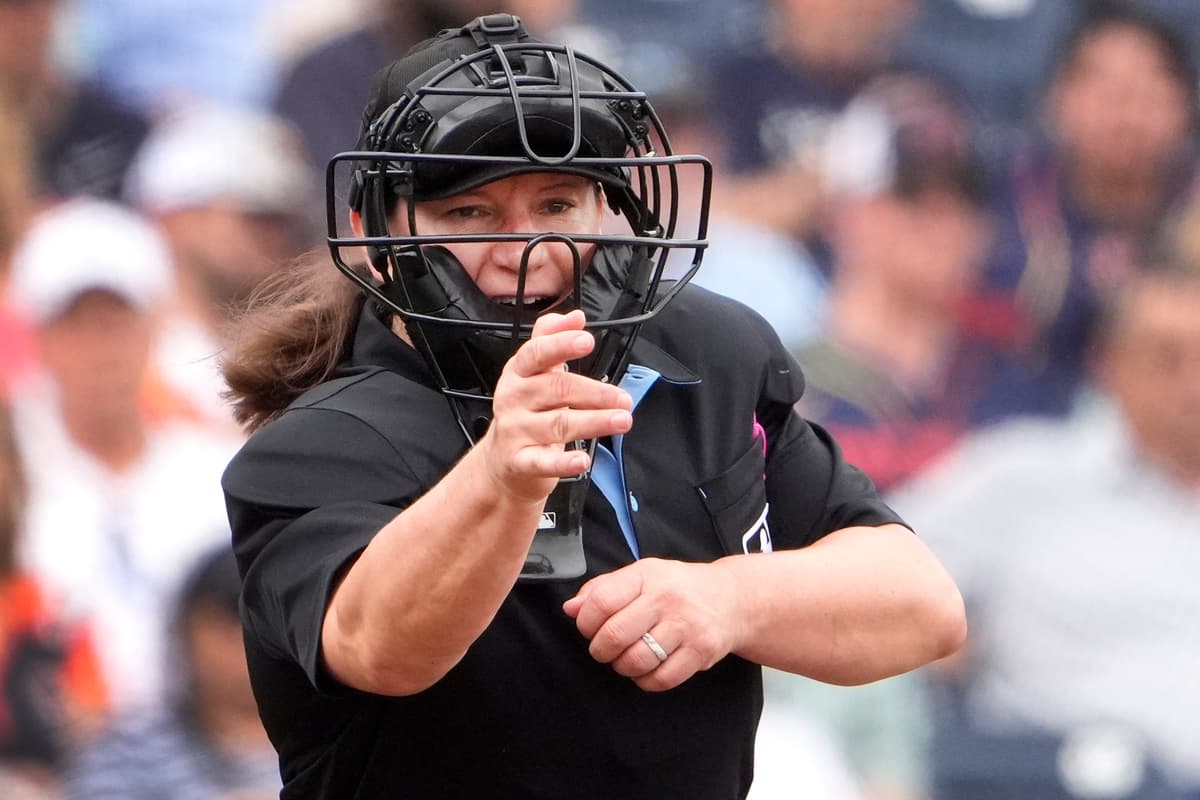
AP/Jeff Roberson, File
Home plate umpire Jen Pawol calls a strike during the third inning of a spring training baseball game, March 10, 2024, at West Palm Beach. AP/Jeff Roberson, File

Major League Baseball is experimenting with robot umpires, reintroducing a device called an Automated Ball-Strike System in spring training games. Please, then, no more booing. How could a fan curse a machine? “Get new glasses, you four-eyed ABS?” Yet, why not, then, replace the Nine with an AI-equipped data cruncher to weigh legal precedents and constitutional minutiae? Robo-justices might call legal balls and strikes without errors.

The multi-camera ABS system is as simple as a Rube Goldberg contraption. As the Associated Press describes it, a “Hawk-Eye pose-tracking system of cameras installed to follow pitches and determine whether they are within a strike zone based on the height of each batter, who is measured without shoes before a team’s first test game.” For now the contraption is used in only a number of spring training games and only for challenging disputed calls. 

The baseball commissioner, Rob Manfred, is an ABS fan. He reportedly intends to institute it in MLB games as early as next year. Advocates insist that the robots will merely assist human umpires. For now, only a batter, catcher, or pitcher can challenge a call, and no more than two challenges are allowed in a game. Almost every professional sport by now is using cameras to adjudicate disputed calls, so why not fairly override baseball umpires?

In the mid-1860s an umpire named Cummings pioneered what became one of the most important aspects of America’s pastime. He would deem any pitch that passes between a batter’s shoulders and knees a strike, and outside that zone a ball. While that determination is more an art than science, it became the most protected aspect of umpiring. Per Rule 8.02(a), players or coaches objecting to ball-strike calls may be ejected. 

Team managers often run on the field, kick sand, or use florid language at umpires when they feel slighted by a call. Yet, even the most volatile of them are careful when they deem a strike zone differently than the man behind the catcher does. They might silently mouth a curse, but mostly stay in the dugout for fear of automatic ejection. Outside the field of dreams, “calling balls and strikes” is an integral part of the American language.  

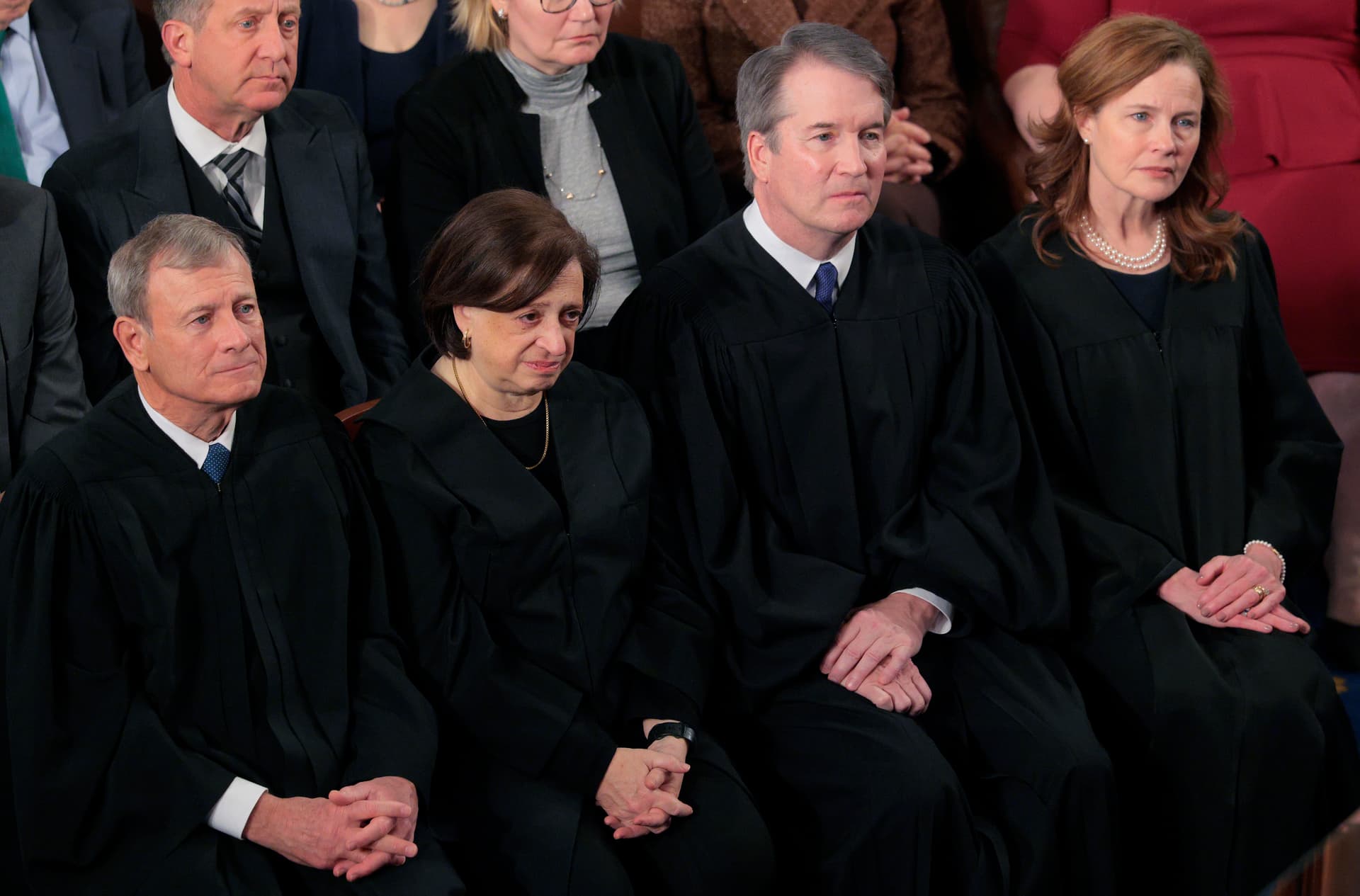
A newspaperwoman who is accused of bias reporting might thus use it to protest that she is merely calling them as she sees ’em. So would cops, politicians, and others. “I will decide every case based on the record, according to the rule of law, without fear or favor, to the best of my ability, and I will remember that it’s my job to call balls and strikes, and not to pitch or bat,” were Chief Justice Roberts’s words during his 2018 confirmation hearing. 

Let’s face it, though, nine justices with a team of clerks poring for months through the most arcane law intricacies are no competition to an AI machine that could do the same in seconds. One could even argue that robo-justices would avoid egregious errors like the 1857 Dred Scott v. Sandford decision. A non-human would not be so short-sighted as to to prohibit, say, the use of alcohol in America, or enforce the constitution’s 18th amendment. 

So, put aside robo-umpires, why even have nine human baseballers? After all, no mechanized fielder would err as badly as the New York Yankees did in the fifth inning of last year’s World Series’s fifth game. In reality, though, life, like baseball, is a game of errors. Without them, no competition is possible, and where there’s no competition no justice can prevail. And yes, we would rather curse a short-sighted ump than rely on that dastardly ABS.  


The New York Sun

© 2025 The New York Sun Company, LLC. All rights reserved.

Use of this site constitutes acceptance of our Terms of Use and Privacy Policy. The material on this site is protected by copyright law and may not be reproduced, distributed, transmitted, cached or otherwise used.

The New York Sun

Sign in or  create a free account

or
By continuing you agree to our Privacy Policy and Terms of Use