‘Humiliation’: European Union Members Pan Trade Deal With Trump
While the European Commission president calls it ‘the best we could get,’ critics say it reflects the imbalance of power between Europe and America.
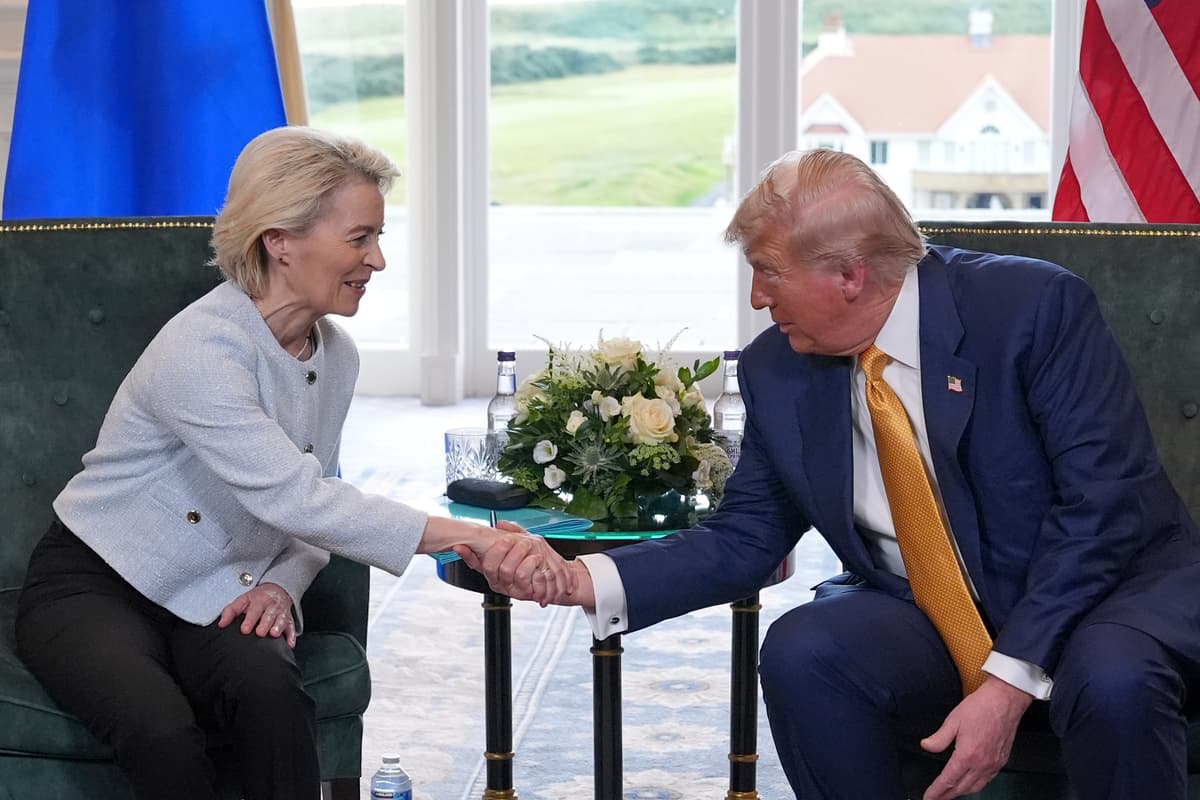

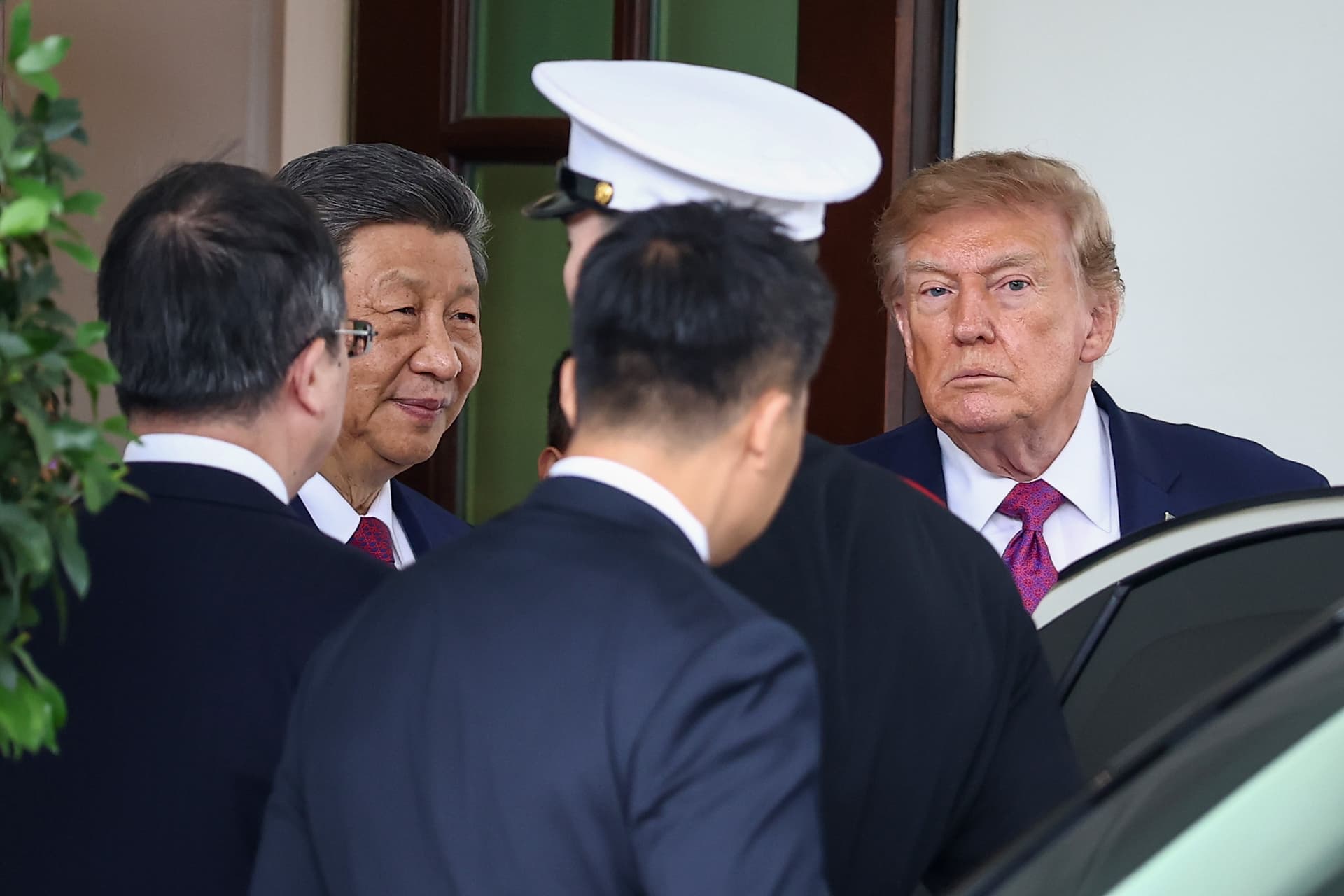
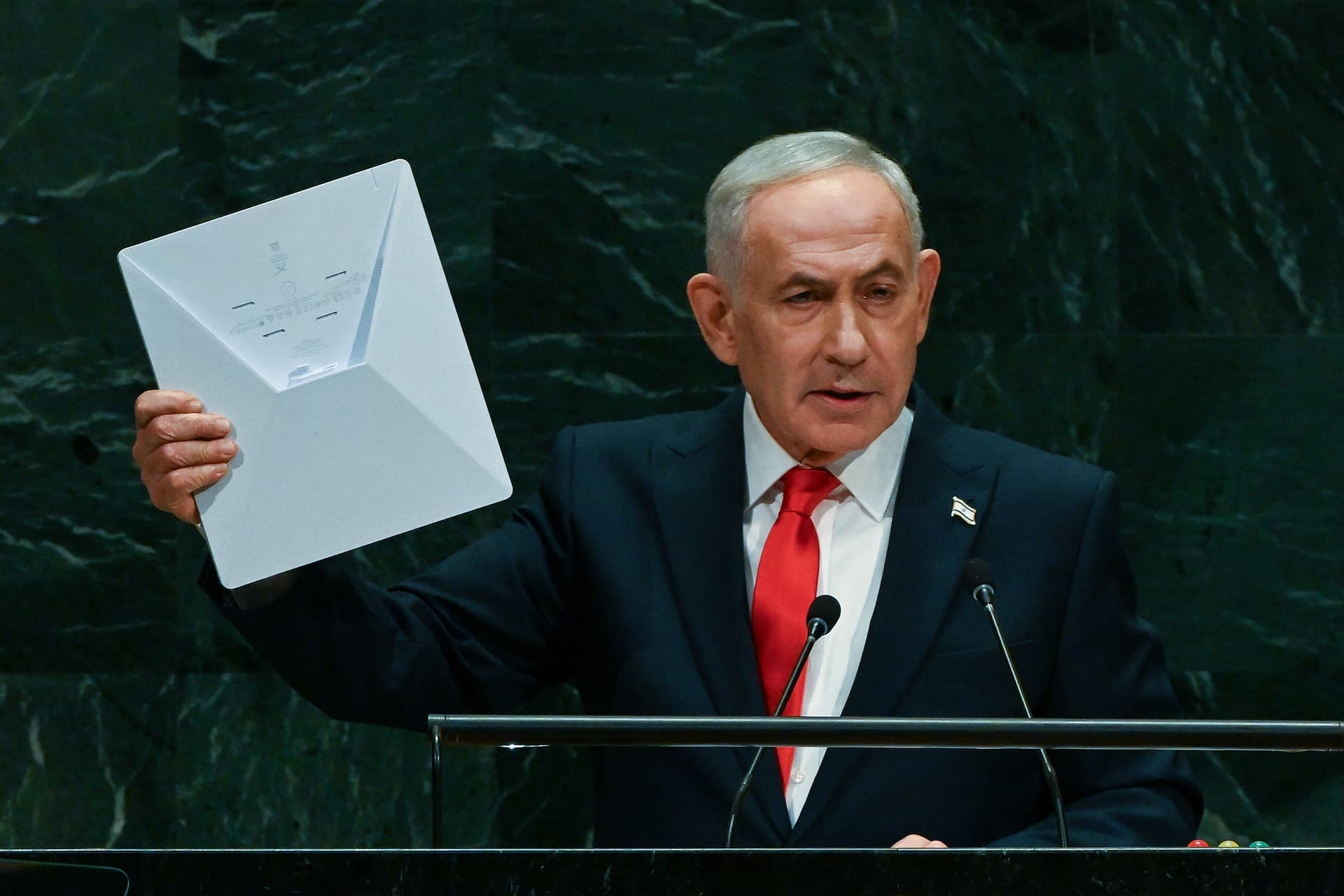
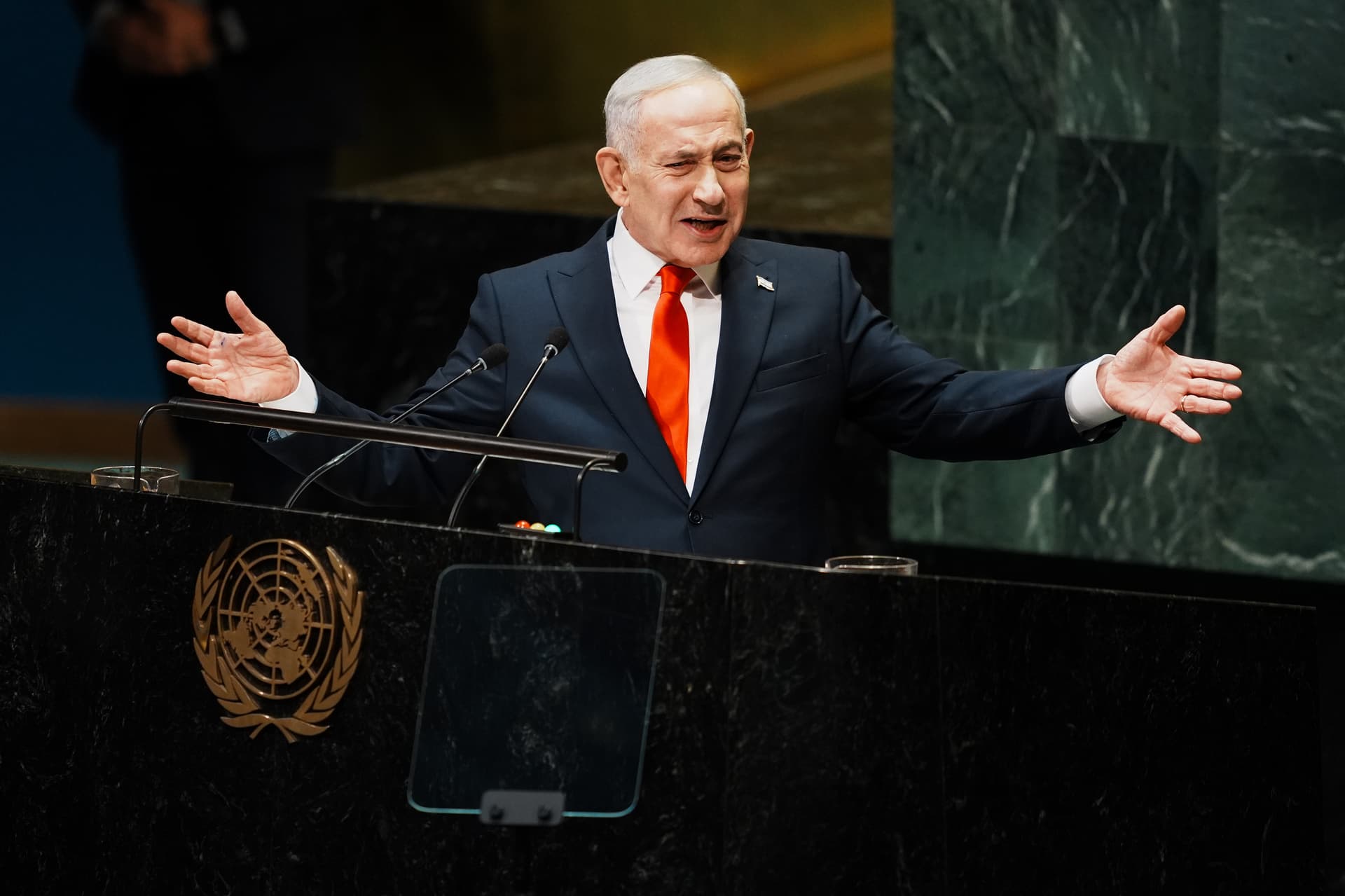
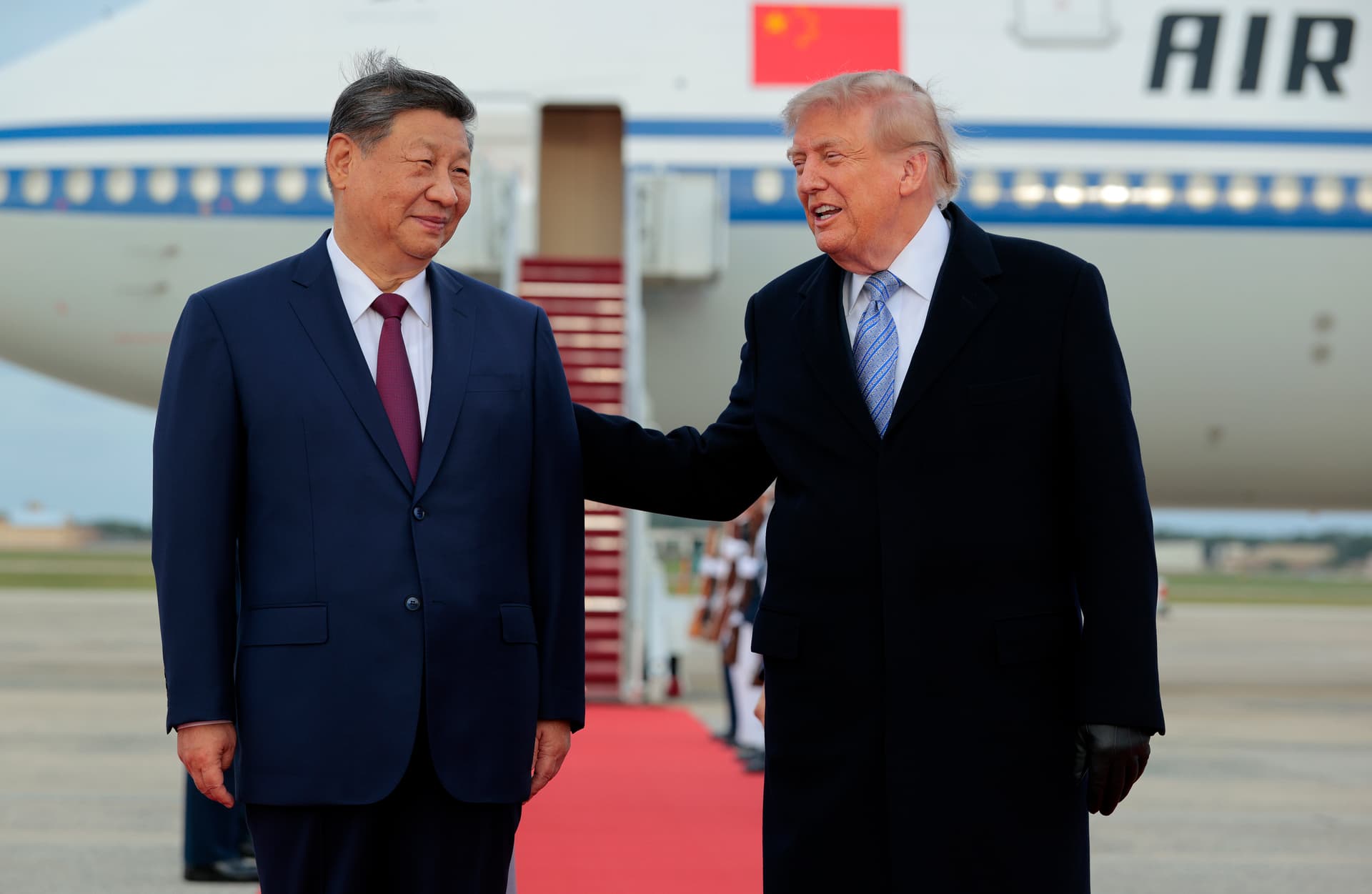
President Trump’s trade deal with the European Union is getting pushback from some of the bloc’s members calling the tariff plan a “humiliation,” “unequal,” and worse than the deal reached with the United Kingdom.
The deal includes a flat 15 percent tariff on most of Europe’s exports — half of the 30 percent rate Mr. Trump threatened to levy starting on August 1. It also includes $600 billion of investment by the bloc into America and the purchase of $750 billion of American energy.
The European Commission president, Ursula von der Leyen, called it a “good deal” and “the best we could get,” but it is drawing high-level criticism from some of the 27 bloc members, particularly France, which exports more to America than all but three EU member nations.
“It is a dark day when an alliance of free peoples, united to affirm their values and defend their interests, resolves to submission,” Prime Minister Bayrou wrote on X. He referred to it as the “von der Leyen-Trump deal.”
France’s European affairs minister, Benjamin Haddad, calls the deal unbalanced in favor of America. “Let’s be clear: the current situation is not satisfactory and cannot be sustainable,” Mr. Haddad said in an X post.
President Macron has been quiet about the deal but has previously called for reciprocal tariffs on the United States.
Belgium’s leadership was muted in response. “This is a moment of relief but not of celebration,” Prime Minister De Wever said on X. He called for free trade with the United States.
In an X post, German economist Clemens Fuest said the deal is “a humiliation for the EU, but it reflects the imbalance of power.” He warns that the Europeans need to “wake up, focus more on economic strength and reduce their military and technological dependence on the U.S.”
The European Union exports more than $600 billion in goods to America annually while importing about $370 billion from American companies.
While America has a trade deficit in goods with the bloc, it currently has a services trade surplus thanks to America’s global dominance in services by tech giants such as Google, Meta, and Microsoft, as well major accounting and consulting firms. If services were included, the trade imbalance would be reduced.
One part of the deal is already being walked back by the Europeans.
On Monday, two senior commission officials told Politico that the bloc has no way to deliver on the promise of $600 billion in investment in America by 2028 because the money is supposed to come from private investment, not public investment funding, which they cannot guarantee.
“This part of the deal is largely performative,” Nils Redeker from the research and policy firm Jacques Delors Centre said. “[The European Union] is not China, right? So nobody can tell private companies how much they invest in the U.S.”
“What I worried about has happened. A completely unequal ‘deal’ between the US and the EU. Have no doubt: asymmetric 15% tariffs are a EU defeat,” the former director of the research department at the International Monetary Fund, Olivier Blanchard, stated in an X post.
While the Europeans complain about the deal, it avoids an all-out trade war between the world’s two largest economies and might not be a complete victory for America.
Chancellor Merz said that while the German economy will suffer considerable damage from the deal, “We will also see the consequences of this trade policy in America — not only will there be a higher inflation rate, but it will also affect transatlantic trade overall,” he was quoted saying by the Financial Times.
A Fox Business correspondent, Charles Gasparino, also cautioned that American consumers will probably get saddled with the 15 percent tariffs on European Union imports. He said that Europe was probably going to buy all of the energy included in the deal anyway as it tries to wean off of Russia’s oil and gas.