None Dare Call It Default
Secretary Bessent’s comments on America’s credit call to mind the Bank of England’s insistence that ‘to defend ourselves is somewhat akin to a lady starting to defend her virtue.’
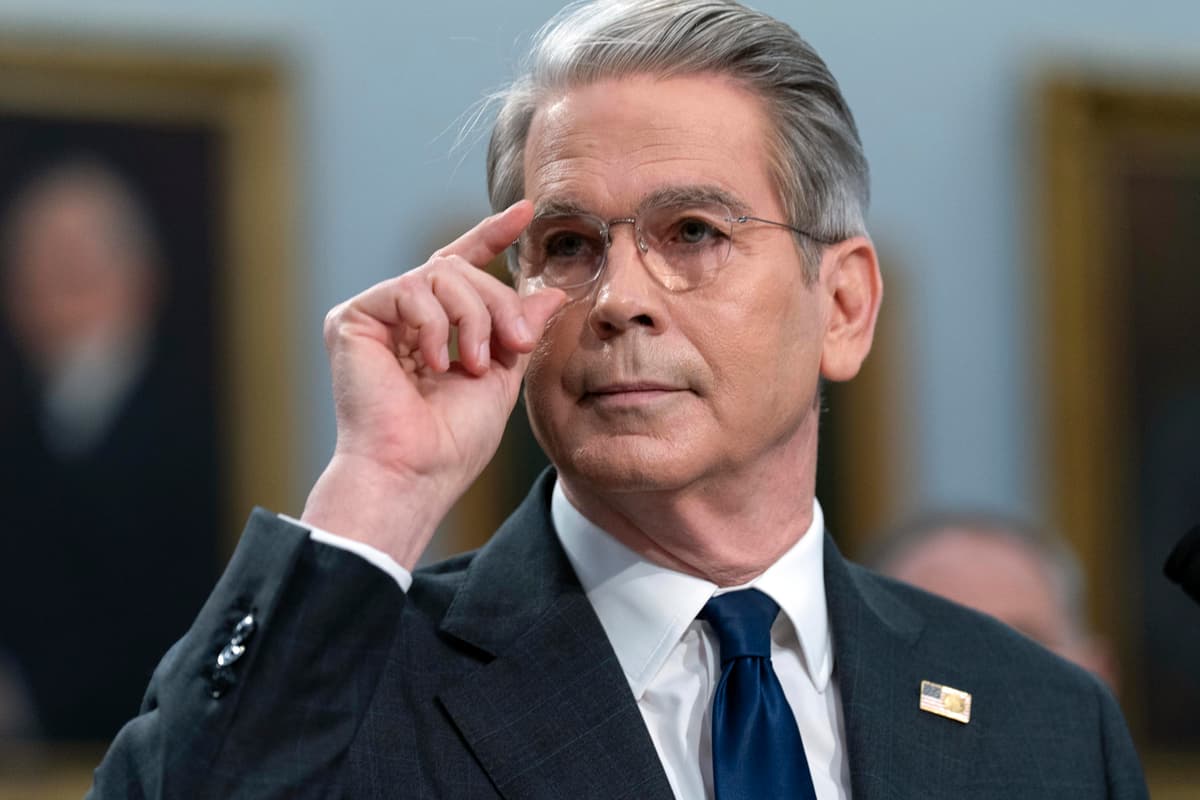

MARGARET BRENNAN: How close of a brush with default could this be, given how massive some of the Senate changes are expected to be to the other parts of the bill?
SECRETARY BESSENT: Well, first of all, Margaret, I will say the United States of America is never going to default. That is never going to happen. That — we are on the warning track and we will never hit the wall.
* * *
What in the world is Secretary Bessent talking about? He seems like a fine person. Yet his assurances, such as those on CBS yesterday, seem meaningless. Since the end of Bretton Woods, the value of the dollar — please see the chart above — has plunged by some 99 percent to little more than a 3,400th of a gold ounce from the 35th of an ounce at which the dollar was valued before America closed the gold window where foreign governments could redeem dollars.
How is that not a default? We’ve written a number of times on this head as America’s currency has been steadily losing its worth in terms of the historic basis of monetary value, gold. It means that Uncle Sam’s creditors, even if they do end up getting repaid at the full face value of our Treasury debt, would be getting compensated in dollars that are worth much less than the ones that they lent to the federal government. If that’s not a default, what is?
Mr. Bessent’s attempt to reassure investors follows the concerns over America’s creditworthiness raised on Friday at the Reagan National Economic Forum by the JPMorgan Chase chief, Jamie Dimon. “You are going to see a crack in the bond market, okay?” Mr. Dimon said. “It is going to happen.” That was a reference to the “big, beautiful bill” percolating in Congress. That measure, as it stands, is slated to add some $3 trillion to the national debt.
The “crisis,” Mr. Dimon reckons, could come “in six months or six years.” He laments the “extraordinary amount of complacency” in the financial markets. No wonder Mr. Bessent saw the need to pipe up in defense of the federal fisc. It marks a shift from the other day when he was asked about Moody’s downgrade of America’s credit. Mr. Bessent’s response then was: “Who cares?” That nonchalance seems to have failed to sway critics like, say, Mr. Dimon.
Will Mr. Bessent’s new assertions downplaying the chance of default do better? It calls to mind the response by the Bank of England’s deputy governor, Sir Ernest Harvey, in response to questions from John Maynard Keynes over the bank’s legendary circumspection over its policy. The bank, Sir Ernest said, sought to “leave our actions to explain our policy.” He added: “To defend ourselves is somewhat akin to a lady starting to defend her virtue.”
That episode underscored a merit of the gold-based financial system that prevailed in Britain — and America — before the fiat money era, a monetary sage, James Grant, has observed. The Bank of England, Mr. Grant noted, in “its glory days managing the pre-World War I gold standard,” said “next to nothing” but did “conscientiously exchange bank notes for gold, and gold for bank notes, at the statutory rate.”
In other words, central banks in that earlier era did little talking, but their policies and actions preserved the value of their paper currencies in terms of gold. That, in turn, held prices steady and helped to fuel decades of rising trade and economic growth. Quoth Mr. Grant: “Compare and contrast our Federal Reserve, which prints acres of money, manipulates stock prices, suppresses interest rates — and can’t seem to stop talking.”
Which brings us back to Mr. Bessent’s protestations of any chance of default. We’re aware of the larger argument being advanced by Republicans that the pro-growth, low-tax measures in the budget will enable America to improve its fiscal position. Yet if Mr. Bessent and the solons in Congress really want to reassure markets about America’s ability to repay its debts in dollars that hold their value, they’d include in their program the restoration of honest money.