The Slaughter in Syria
The interim president, Ahmad al-Sharaa, emerges as a problem.

Syria’s sectarian war is widening and its interim president, Ahmad al-Sharaa, seems part of the problem, rather than the solution. On Friday, America’s ambassador to Turkey, Tom Barrack, announced a “breakthrough” cease-fire, but atrocities, humiliation, rape, and retaliation indicate the storm is deeper than a week of gun fights. Thanks to Israel, at least, President Assad’s worst weapons are no longer available to the killers.
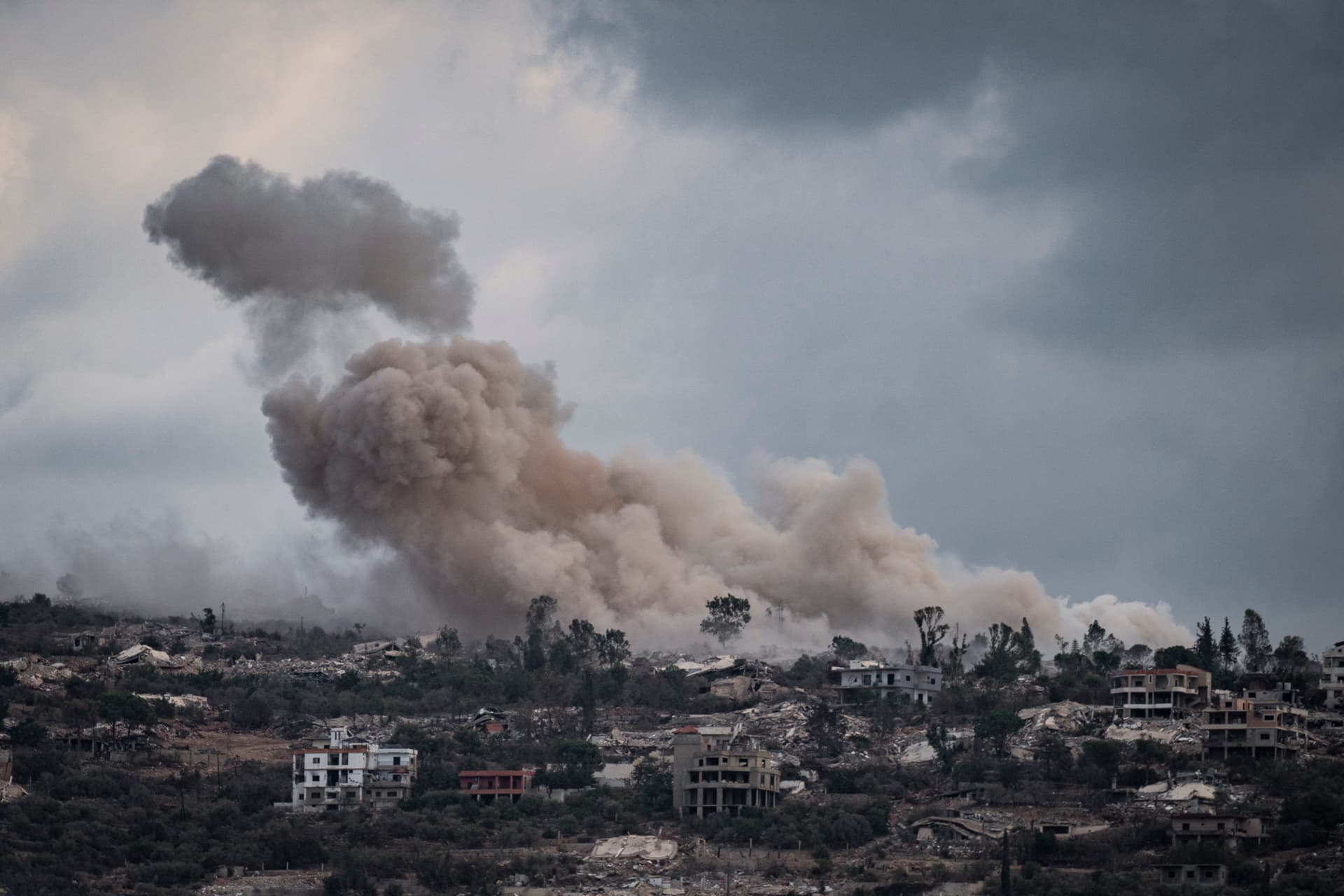
The current crisis started Sunday, when Bedouin tribes in southern Syria entered Sweida, a Druze-dominated region. Armed militias loyal to Mr. Sharaa from when he was known as al-Joulani, commander of the Syrian Al Qaeda branch, soon joined the assault. Those Jihadists were incorporated in the Syrian army. Some got major positions in the higher echelons of government. Hundreds were killed in southern Syria.
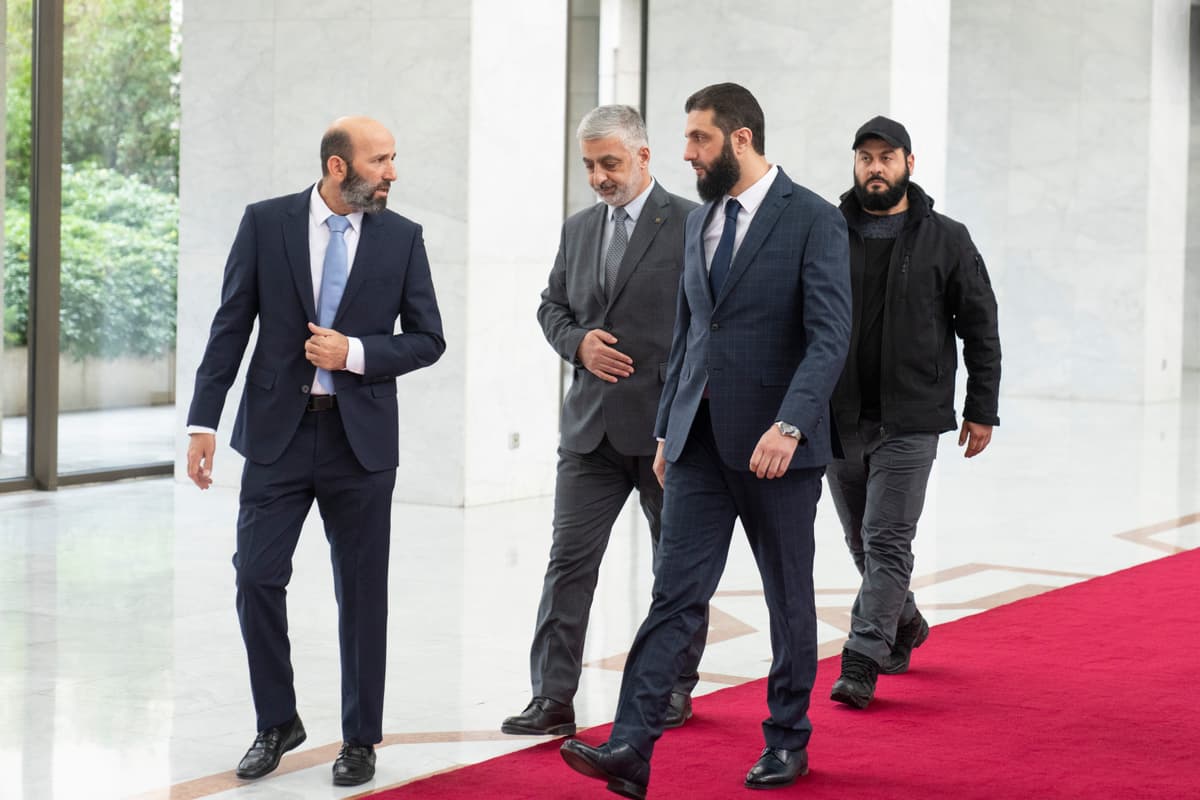
Back in January Mr. Sharaa toppled President Bashar Al-Assad with help from several regional powers. His most notable backer is President Erdogan of Turkey. Delighted that the murderous Assad regime was gone, most Arab regimes quickly took the new Syrian leader to their fold. Soon enough, European leaders showered the former terrorist with love. Mr. Sharaa’s beard was trimmed. His battle fatigues were replaced with tailored suits.
President Trump’s first trip abroad in his second term was marked by a handshake with Mr. Sharaa at Riyadh and a promise to end American sanctions. Only one capital was cautious: Jerusalem was wary of a former Jihad leader backed by Ankara’s enmity to the American-allied Kurds. Israel quickly destroyed Mr. Assad’s worst weapons, including chemical munitions, lest Mr. Sharaa seize and use them.
To secure its border, Israel also declared southern Syria a no-go zone for armed elements. Part of that area, known as the Druze Mountain, was at the center of this week’s battles. The Druze are a non-Arab sect that split with Islam back in the Middle Ages. From the early days of the Jewish state, Israeli Druze have distinguished themselves in all walks of life, including, most notably, in the national army.
This week, as Syrian Druze were slaughtered by Jihadists, their Israeli brethren demanded intervention. Prime Minister Netanyahu ordered the air force to halt Damascus troops that were about to join the massacre of Syria’s Druze. A cease-fire was finally reached on Wednesday, but bloody clashes continued. On Friday Mr. Netanyahu agreed to allow some Syrian army troops into the area, hoping to diffuse the crisis.
Mr. Sharaa might not have full control over his former comrades, some of whom proudly display ISIS insignia. Then again, he might be complicit in the Jihadi attacks on the Druze. Are his backers at Doha and Ankara interested in a sovereign Syria, or do they seek Sunni dominance across the region? Either way, it’s not clear whether America can trust a man who not too long ago was an enemy terrorist.