Putin Readies ‘Fortress Russia’ as Trump Threatens To End Russian Oil Trade
The seizure of foreign companies in Russia rivals that of Lenin in 1918.
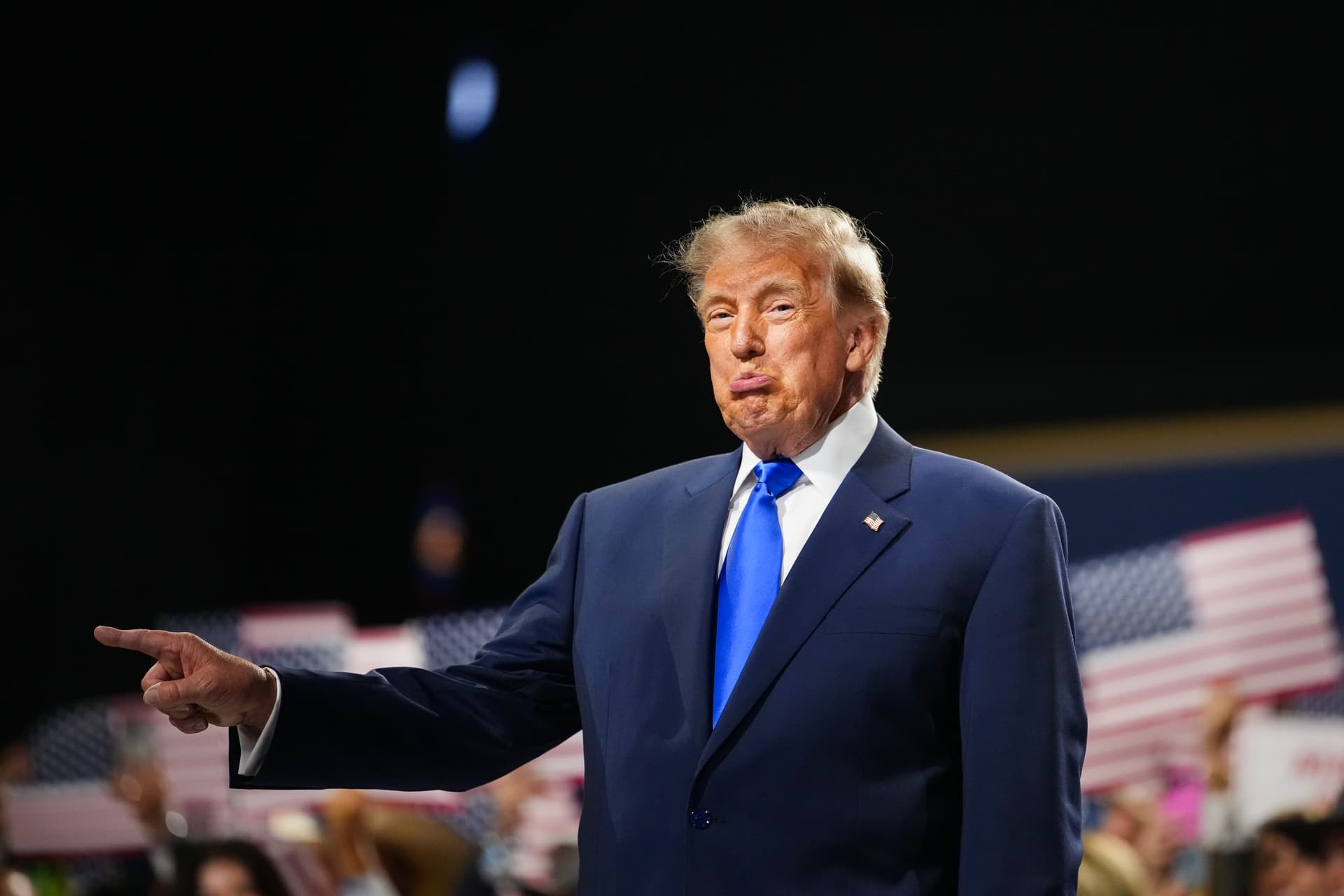
President Trump’s threat to destroy Russia’s international oil market by Labor Day comes as President Putin pulls up the drawbridges for a closed economy that some call “fortress Russia.”
Mr. Trump has given his Russian counterpart 50 days — until September 2 — to negotiate a peace deal with Ukraine. If not, Washington is to apply 100 percent tariffs on imports from all countries that flout Western sanctions and import Russian oil. The main targets would be China and India, which buy 85 percent of Russia’s internationally traded crude oil.
The loss of oil sales to Communist China, India, Brazil, and Turkey would cripple Russia’s economy. Last year, China and India paid $163 billion for Russian oil. By contrast, Russia’s defense budget this year is $145 billion.
Official Russia publicly yawns at the threat. “Trump issued a theatrical ultimatum to the Kremlin,” a former president, Dmitry Medvedev, tweeted. “Russia didn’t care.” To win a stay of execution on secondary sanctions, some Russian guns of August may fall silent, at least for a simulation cease-fire.

Mr. Trump warned yesterday: “At the end of the 50 days if we don’t have a deal, it’s going to be too bad.” The American ambassador to the North Atlantic Treaty Organization, Matt Whitaker, said: “It’s about tariffs on countries like India and China that are buying their oil. And it really is going to, I think, dramatically impact the Russian economy.”
Meanwhile, at Moscow, Mr. Putin carries out a slow-motion campaign of nationalizations of foreign investment on a scale not seen since the Bolshevik expropriations of 1918. Since launching the big attack on Ukraine in 2022, the Kremlin and its courts have seized $50 billion worth of property owned by foreign companies, according to a report issued last week by a Moscow law firm, Nektorov, Saveliev & Partners.
These confiscations illustrate Putin Russia’s turn away from global economic integration toward a “fortress Russia,” Russia’s leading economic newspaper, Kommersant, opines.
Separately, the Yale School of Management tallies 1,028 foreign companies that are pulling out of Russia. One-third are American. It is a sad finale to the red hot 2000s, a decade when Russia was the darling of Western investors.

Divesting companies include Danish beer maker Carlsberg, French yogurt maker Danone, Spanish fashion retailer Zara, Austrian car dealership Rolf, and American fast food chain McDonald’s.
Facing hostile courts, many foreign companies handed keys to local managers, accepting pennies on the dollar. Compared to the Marxist seizures of foreign property 100 years ago, today’s expropriations serve a different political goal. They create new business leaders totally dependent on the Putin government for their money.
Two months ago, the chief executive of the Russian Direct Investment Fund, Kirill Dmitriev, courted the Trump administration and invited American companies to invest in Russia. Back at Moscow, this generated pushback from the new class of business entrepreneurs.
In a meeting at the Kremlin with the owner of what was McDonald’s Russia, Mr. Putin sought to calm fears, saying McDonald’s “ran away, and now, if they want to come back, are we supposed to roll out the red carpet for them? Of course not.” He cited a Russian joke: “Only cowards pay their debts.”

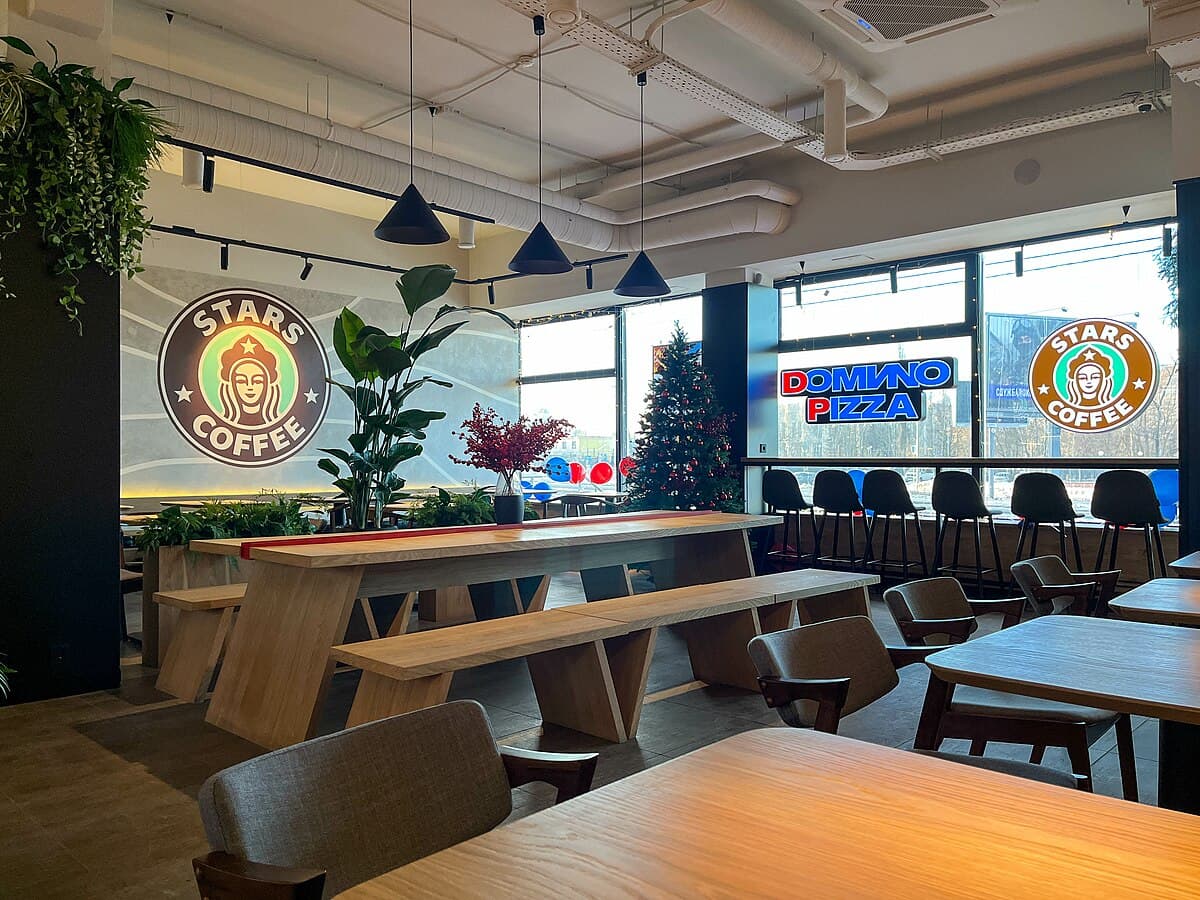
The new owner of Starbucks in Russia retained the green and white logo virtually unchanged and rebaptized the chain “Stars Coffee.” It proclaims on social media: “The bucks left. The stars remain.”
In this environment, the St. Petersburg International Economic Forum last month was a bust. A decade ago, it buzzed with American and European investors competing to make contacts with government officials.
This year, the buzz was around a turban-wearing delegation of officials from Afghanistan’s Taliban. Unnerving attendees looking for peace prospects, Mr. Putin told the gathering “The Russian and Ukrainian people are one people,” so “in this sense, all of Ukraine is ours.”
At one session, the economy minister, Maxim Reshetnikov, openly warned: “We are on the verge of slipping into a recession.” With the central bank’s prime lending rate at 20 percent, companies face unbearable debt loads and looming bankruptcies.
Since the full-scale war against Ukraine started in 2022, Russia has burned through half of its National Wealth Fund, the Moscow Times reported last month. Fed by oil and gas export revenues, this rainy-day fund has dwindled to $53 billion.
In Washington, Mr. Trump’s oil threat comes with political backing. A bipartisan bill co-signed by 85 senators calls for secondary sanctions that would impose 500 percent tariffs on American imports from all countries that buy Russian oil.
Since oil is fungible, most countries can stop buying. Before the war, India bought only 1 percent of its oil imports from Russia. Sanctions lowered prices, saving India billions of dollars.
“If Putin and others are wondering what happens on day 51, I’d suggest they call the Ayatollah,” Senator Graham, a co-sponsor of the bill crowed on X. “If I were a country buying cheap Russian oil, propping up Putin’s war machine, I would take President Trump at his word.”

To enhance his bargaining power, Mr. Trump insists that the bill contain an on-off button that he would control. Republican leaders in both chambers are waiting for a green light from the White House to proceed with a vote.
“We’re going to be doing secondary tariffs,” Mr. Trump explained Monday during a White House meeting with the secretary general of NATO, Mark Rutte. “If we don’t have a deal in 50 days, it’s very simple, and they’ll be at 100 percent.”
While it remains to be seen how far the American president will go with his threats, it is clear that the Russian president will leave a legacy of shattered property rights. Investors have long memories.
Between 1880 and 1917 French citizens bought a total of 30 million Russian bonds, largely to build Russian railroads, including the Trans-Siberian. However, in January 1918, the Soviet Union’s new leader, Vladimir Lenin, refused to service the bonds. After communism finally collapsed in 1991, French bondholders came out of the woodwork and demanded payment.
In the late 1990s, France and Russia came to an agreement. Russia paid about $400 million to the original bondholders and their descendants. However, an association of French investors still holds out, demanding full payment, with interest, on bonds purchased as far back as the 1880s.