
Russia’s Army, Running Out of Vehicles, Resorts to Donkeys

World reaction sees Russia’s regression to the pack animals as a black mark on the nation’s military prestige.
Svetlana Iakusheva/Getty Images
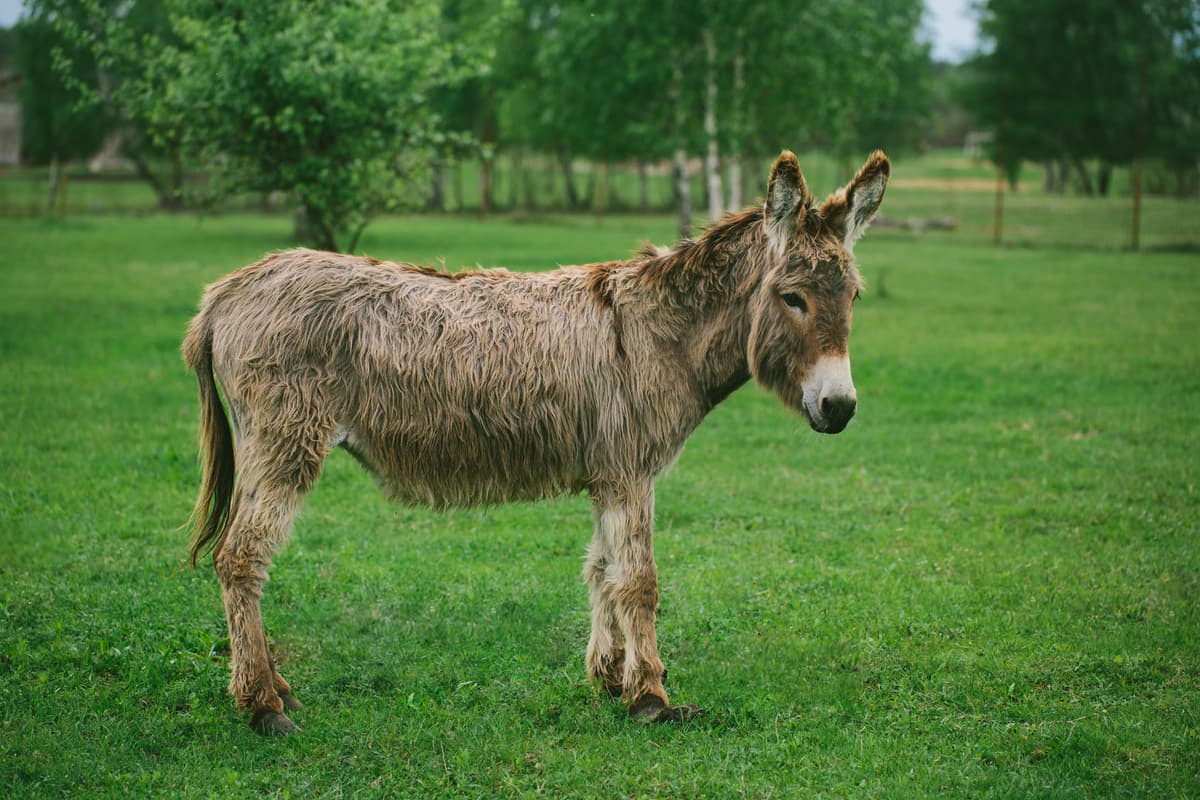
A donkey at a Ukrainian farm. Svetlana Iakusheva/Getty Images

After almost three years of war, Russia’s Army has resorted to donkeys to ferry ammunition to front line soldiers. When President Putin launched his full-fledged attack on Ukraine, on February 24, 2022, Russia’s Army was widely seen as the second most powerful in the world, after America’s.

“They’re bringing us donkeys — real ones! Four of them,” one Russian soldier exclaimed on social media. “They’re using donkeys to transport ammo. The order is to build a corral for them. 21st century — we’re going to war on donkeys.”

A Russian military blogger who goes by the handle ‘Zhivoff’ posted: “The guys in one sector were given a donkey for logistics. A real donkey.” He posted a photo of a grey donkey munching on hay. To protect from Ukrainian drones, the donkey stood below a green tarpaulin. To protect against the cold, the donkey had grown a shaggy winter coat and was covered with a green camouflage blanket.

Another Russian blogger, Kirill Fyodorov, retorted on line: “What did you expect? Vehicles are in short supply these days!”

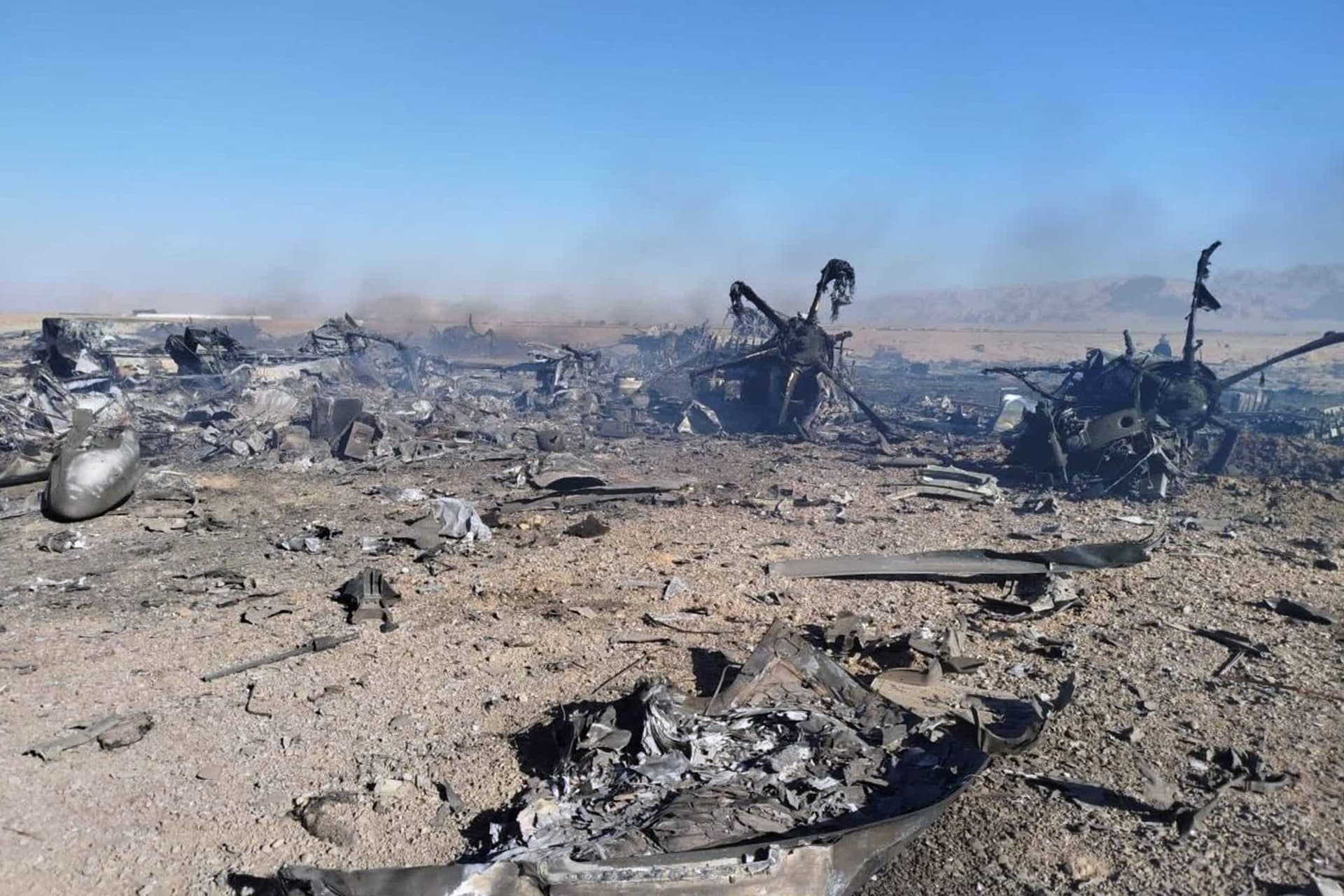
According to official Ukrainian figures, Russia has lost in almost three years of war some 10,000 tanks, 20,813 armored fighting vehicles, and 36,638 trucks, light trucks, and fuel tanker trucks. On Friday, Ukraine’s commander in chief, Oleksandr Syrskyi, said drones have displaced artillery as Ukraine’s most lethal force on the battlefield. Over the past year, he said, 1.4 million Ukrainian drones hit 461,000 Russian targets.

On Sunday, the Ukrainian defense minister, Rustem Umerov, announced the creation of  a “drone line” — a 10-mile wide “kill zone” on the front line where drones destroy all enemy vehicles and soldiers. As of yesterday, Ukraine’s official count claims that three years of war has cost Russia 850,490 soldiers dead and severely wounded. Ukrainian casualties are believed to be about one third that number.

In Moscow, top officials defend donkeys. Ignoring the optics, they cloak their arguments in the aura of the Soviet Union’s victory in World War II.

“There’s nothing wrong with this,” a Duma defense committee member, Viktor Sobolev, told Gazeta.ru news site. A retired lieutenant general, he added: “If some methods are used, including donkeys, horses and so on to deliver ammunition and other equipment to the front line, then that is normal. This, of course, will not solve the problem. There is nothing bad here. During the Great Patriotic War, part of our artillery was horse-drawn. It reached Berlin.”

Another Duma defense committee member, Viktor Zavarin, told the Russian TV network RTVI: “Let it work. Let the donkeys help the victory.” If donkeys are covered with cold wool blankets, they can move at night, fooling heat seeking drones — for a while. For the last year, Ukrainian drone videos have shown lethal attacks on Russian soldiers who race into battle on motorcycles, pickup trucks, and Chinese golf carts.

World reaction sees Russia’s regression to donkeys as a black mark on the nation’s military prestige.

“The prevalent reaction is confusion because the use of draft animals in military logistics doesn’t exactly fit the image of ‘the world’s second-strongest army,’” a Ukrainian news site, Defense Express, posted Friday. “To make matters worse, the appearance of donkeys in the army directly involved the Russian Ministry of Defense. It was not a private initiative by a charity.”

In Britain, where sensitivities over the mistreatment of animals run high, the return of pack animals to combat is condemned. “Spare a thought for the innocent pack animals being sent into Europe’s bloodiest war,” the Times of London implored yesterday. “The reappearance of these innocents on the battlefield is the clearest sign yet that Russia’s vaunted war economy is stumbling.”

The drafting of donkeys is filling the Russian blogosphere with satirical memes and photo montages. In one, a pair of donkeys, their long ears poking through green military helmets, parade down Moscow’s Red Square for next May’s celebration of the 80th anniversary of Nazi Germany’s defeat. 

Other images online draw on famous donkeys:  Eeyore, the sad-eyed friend of Winnie-the-Pooh, and Donkey, the witty character voiced by Eddie Murphy in the Shrek series. Others recall that a vodka-based drink known as the Moscow Mule was invented at Manhattan in 1941. Now, it is suggested that bartenders compete to invent a modern variant — the “Donbas Donkey.”


The New York Sun

© 2025 The New York Sun Company, LLC. All rights reserved.

Use of this site constitutes acceptance of our Terms of Use and Privacy Policy. The material on this site is protected by copyright law and may not be reproduced, distributed, transmitted, cached or otherwise used.

The New York Sun

Sign in or  create a free account

or
By continuing you agree to our Privacy Policy and Terms of Use