Sunset on the British Empire?
Prime Minister Starmer hands over the Chagos Islands to its former colony, Mauritius.
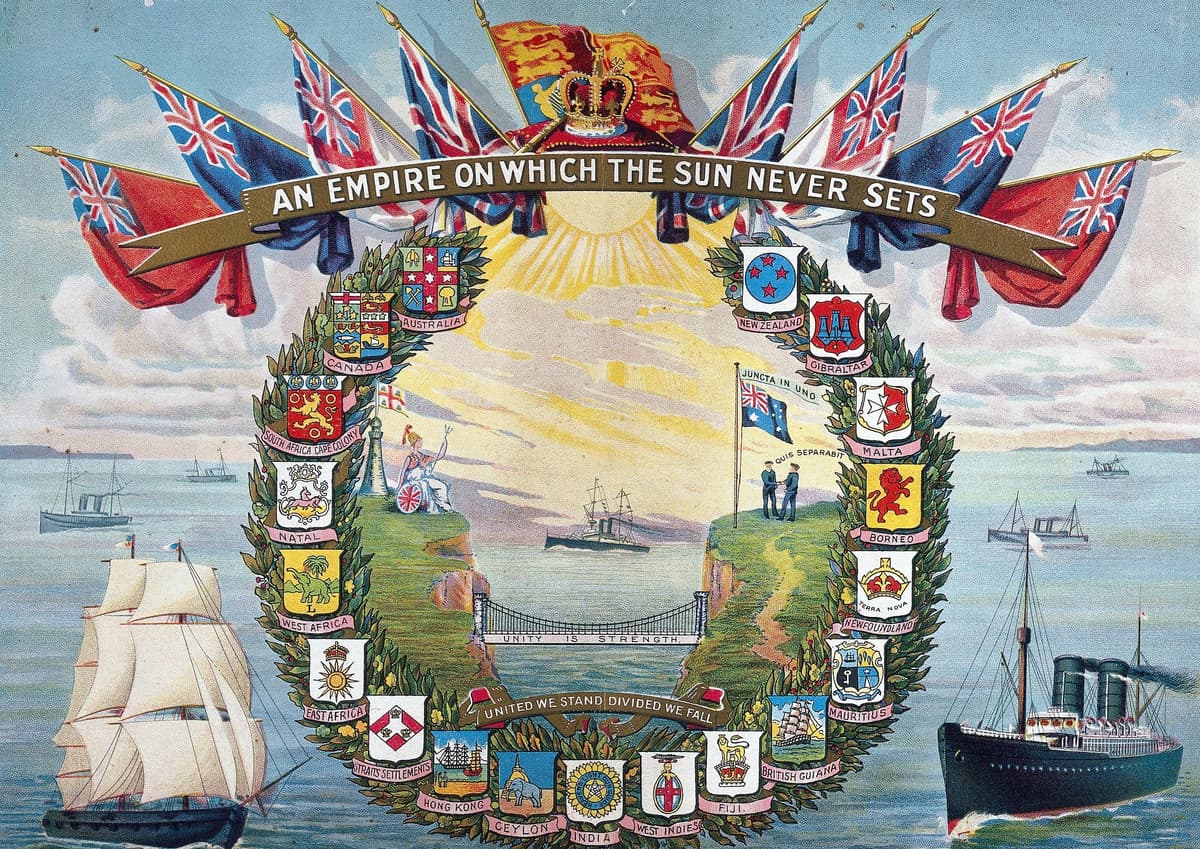
The sun is setting â literally, this time â on the British Empire. Thatâs the upshot of Prime Minister Starmerâs handover of the Chagos Islands to Britainâs former Indian Ocean colony, Mauritius. While the apogee of the globe-spanning empire passed decades ago, this is, the Financial Times reports, âthe first time in more than three centuriesâ that night will fall on British territory. Thereâs now a gap between the Pitcairn Islands and military bases on Cyprus.
âMen are we,â Wordsworth wrote when Venice finally fell, âand must grieve when even the Shade / Of that which once was great is passed away.â Thatâs not to say the loss of a few tropical islands is much cause for lamentation, even if it is a reminder of Britainâs eclipse as a world power. It is, rather, an occasion to mark anew the opportunity Brexit has presented an independent Britain, free from the fetters of the continental superstate, to forge a new global role.
What, then, is Sir Keir doing by traipsing over to Brussels to visit with the European Commission president, Ursula von der Leyen, and crooning about âthe importance of the unique relationshipâ between Britain and the EU and vowing to âambitiouslyâ boost cooperation? Sir Keir also pledged to bind Britain under the EUâs European Convention on Human Rights. That would leave Britain under Brusselsâ thumb in legal matters despite Brexitâs promise.
In particular, on one of the critical issues facing Britain, the migrant crisis, staying under the convention would hamstring the U.K.âs efforts to deport those pressing phony claims of asylum, the AP reports. That rankles Brexiteers who had hoped to make a clean break of any legal constraints imposed by Brussels. Under the Labor government, that looks like a distant prospect, especially with Sir Keir vowing to pay another visit to Brussels this autumn.
These columns have warned about the likely moves by Labor to cozy back up to the EU â âthe slippery slope that would lead to the reversal of British independence.â What a failure of imagination. Feature, by contrast, the vision put forward by Prime Minister Truss, who called for seizing the chance offered by Brexit to forge âa much bolder economic modelâ for Britain. She depicts it as âmore like Singapore on steroids than a Norway on valium.â
The adage about the sun never setting on the empire took root in the 19th century as the British empire gained new territories across the globe. Itâs not our intention here to opine on the concept of empire, though as citizens of a union of former colonies, Americans of an earlier era were known to use the jibe about how âthe sun never set on the British Empire, because even God couldnât trust the English in the dark.â
In any event, âthe collapse of British power,â chronicled by historian Correlli Barnett in his book of that name, can be seen as a cautionary tale by America, a weary, debt-burdened Atlas trying to maintain its role as global superpower. Barnett notes how Britain at World War Iâs end bestrode the world as a colossus. It had the worldâs largest population and had just fielded an army of 8.6 million men. Sterling was the worldâs reserve currency.
In 1921 the prime minister of South Africa, General Smuts, reckoned, despite his own faults, that âonly unwisdom or unsound policyâ could rob Britain of its âgreat position.â Yet within 20 years Britain was prostrate, scrambling to evacuate its army from Dunkirk, and nearly defenseless against a resurgent Germany. That is how quickly the mantle of global leadership can fall in the absence of sound economic and other policies at home and abroad.
Those lessons beckon today for Britain, and America, too. In the end, the empire â âthe red on the mapâ â was a symbol, not the basis, of British influence. The home islands themselves, it could be argued, were, all along, the wellspring of Britainâs rise to industrial predominance, wealth, and global power. So as the sun sets for the first time on the old empire, weâd like to think there are grounds to hope that Britain will again discover a road to glory.