

The Cost of Releasing the Epstein Files
Congress barrels toward releasing the records with nary a thought for due process.
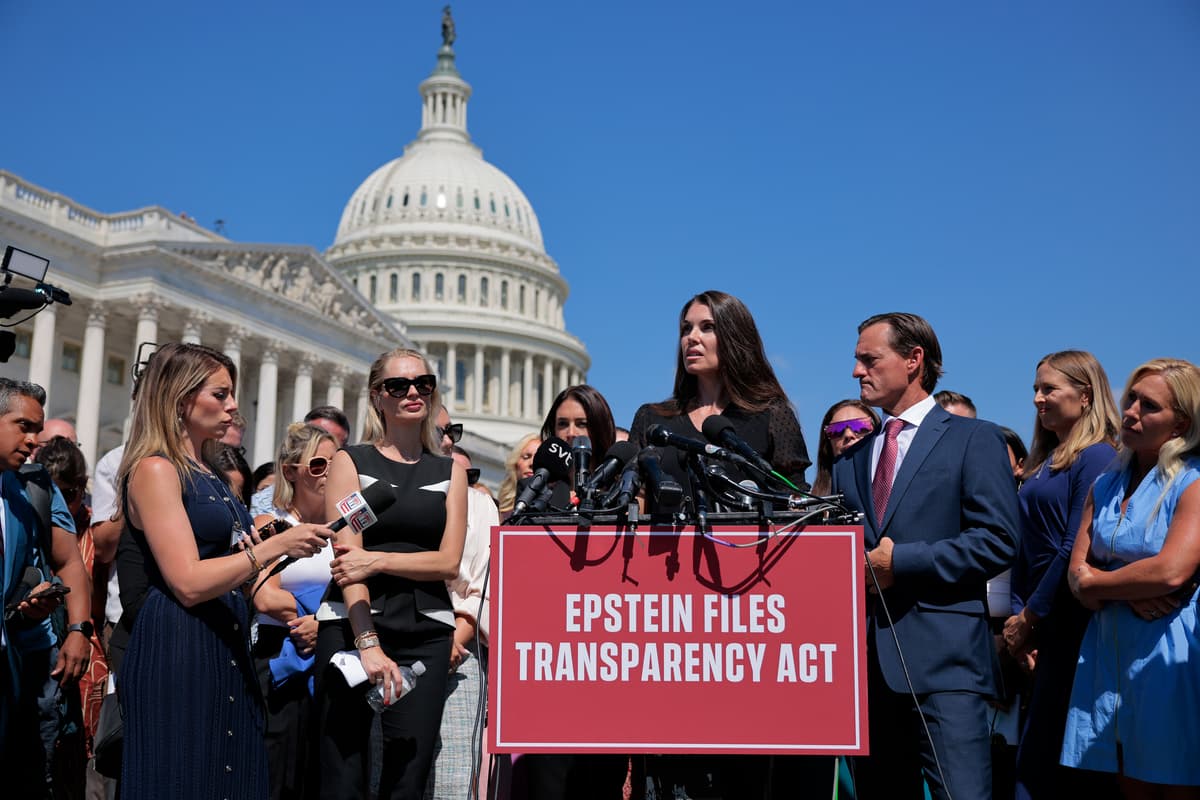
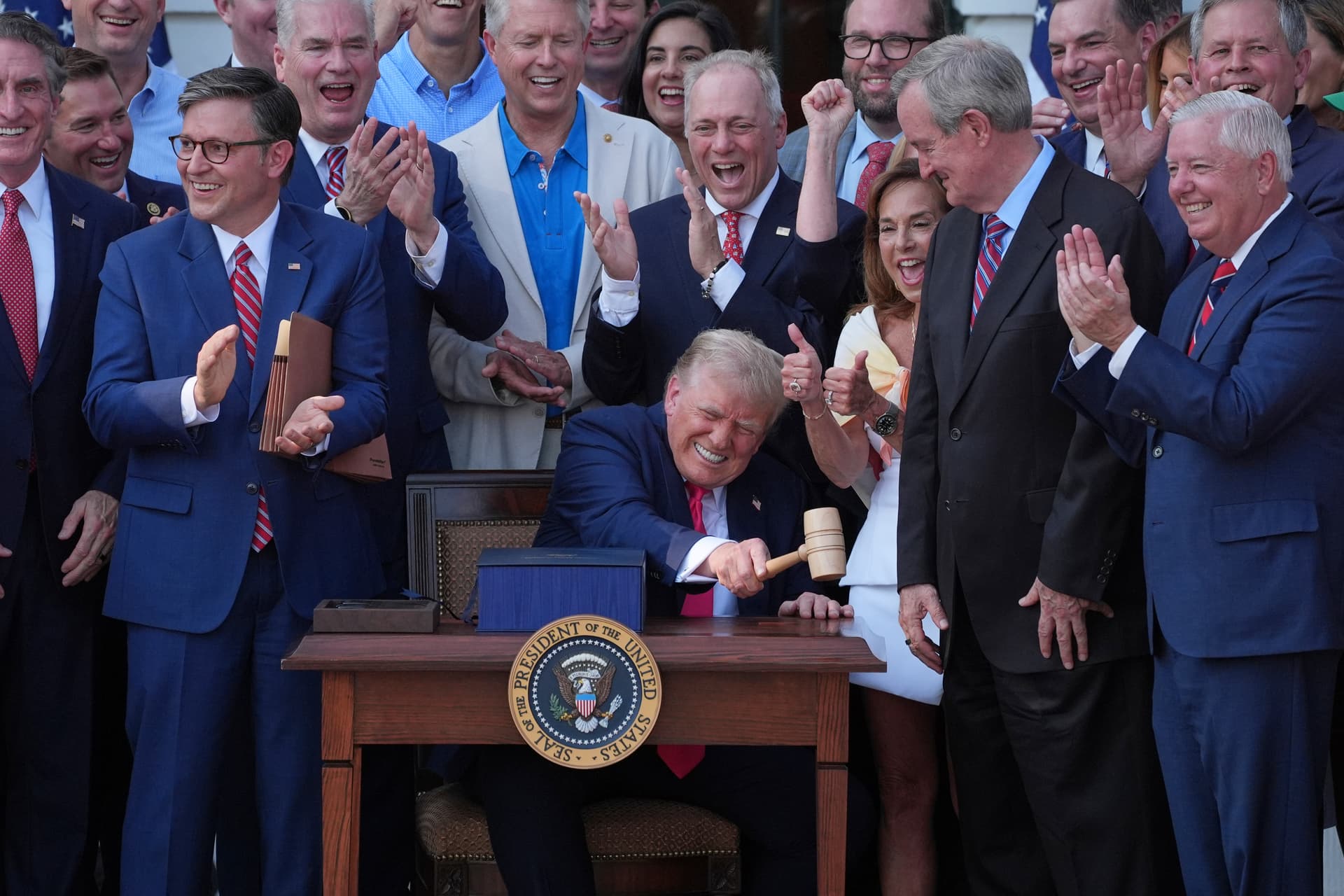
The Senate’s unanimous consent to the bill the House passed by a vote of 427 to one greenlights the release of material related to the disgraced financier Jeffrey Epstein. That strikes us as misguided at best and a trampling of due process at worst. The legislation was championed by Congressmen Ro Khanna and Thomas Massie, and on Tuesday Speaker Mike Johnson signaled his support, albeit with a warning. President Trump, after a volte-face, supports the bill.
The fate of the Epstein Files Transparency Act was ultimately decided in the saucer of the Senate, to borrow a turn of phrase reputedly coined by Washington over breakfast with Jefferson. Here, however, the tea was served scalding. Mr. Johnson hoped that the Senate would “take the time methodically to do what we have not been allowed to do in the House, to amend this discharge petition.” The Senate passed the bill with no amendments.
The partial releases of Epstein’s correspondence has already had a baleful effect. Take the run through the wringer now being put to the former president of Harvard, Lawrence Summers. Released records appear to show Mr. Summers and Epstein engaging in risque conversation about a possible affair with an adult mentee of Mr. Summers’s. It requires no defense of infidelity to grow queasy at broadcasting a private and non-criminal correspondence.
Mr. Summers has announced that he will still teach but is “stepping back from public commitments.” Institutions are fleeing from the economist and former Treasury secretary, who tells the Crimson that he is “deeply ashamed” of his behavior. How all of this is a public matter is beyond us, even as we grasp that many victims of Epstein — and Americans more broadly — have unanswered questions. If crimes were committed, prosecution is called for.
As of yet, though, no charges have been filed except those handed up against Epstein himself and his associate Ghislaine Maxwell. This despite the Department of Justice having access to the same files that now appear destined to be released into the public ken. That also goes for Mr. Trump, who Epstein alleges “knew about the girls.” Mr. Trump denies that and has likewise faced no hint of criminal charges.
We took the same stand against release in respect of Special Counsel Jack Smith’s Mar-a-Lago report, whose destiny is now being litigated in court. We wrote that even “a redacted version risks damage to due process that rightfully trumps every other issue in this case.” After all, the defendants in that case — inclusive of Mr. Trump — still “retain the presumption of innocence.” The same can be said of those caught up in the Epstein net.
Mr. Johnson moots another downside to releasing the records. He asks: “Who’s going to want to come forward if they think Congress can take a political exercise and reveal their identities? Who’s going to come talk to prosecutors? It’s very dangerous. It would deter future whistleblowers and informants. The release of that could also publicly reveal the identity … of undercover law enforcement officers.” Also at risk is the anonymity promised to victims.
Mr. Massie frames his bill’s success as leading toward a “rebalancing of the people against the executive branch.” Against the American presidency? Senator Chuck Schumer intones that “the American people have waited long enough.” Once the files are released though, there will be no retracting them. The innocent and the guilty will be commingled. Reputations will be shredded. In respect of that fate, where is the due process that is American bedrock?
________
This editorial has been updated for the early evening vote in the Senate.