The Drama of Turkish Soaps and Why Everyone — Outside the West — Is Watching Them

They’ve created so much appeal that tourists around the world are flocking to the lavish mansions featured in the shows.
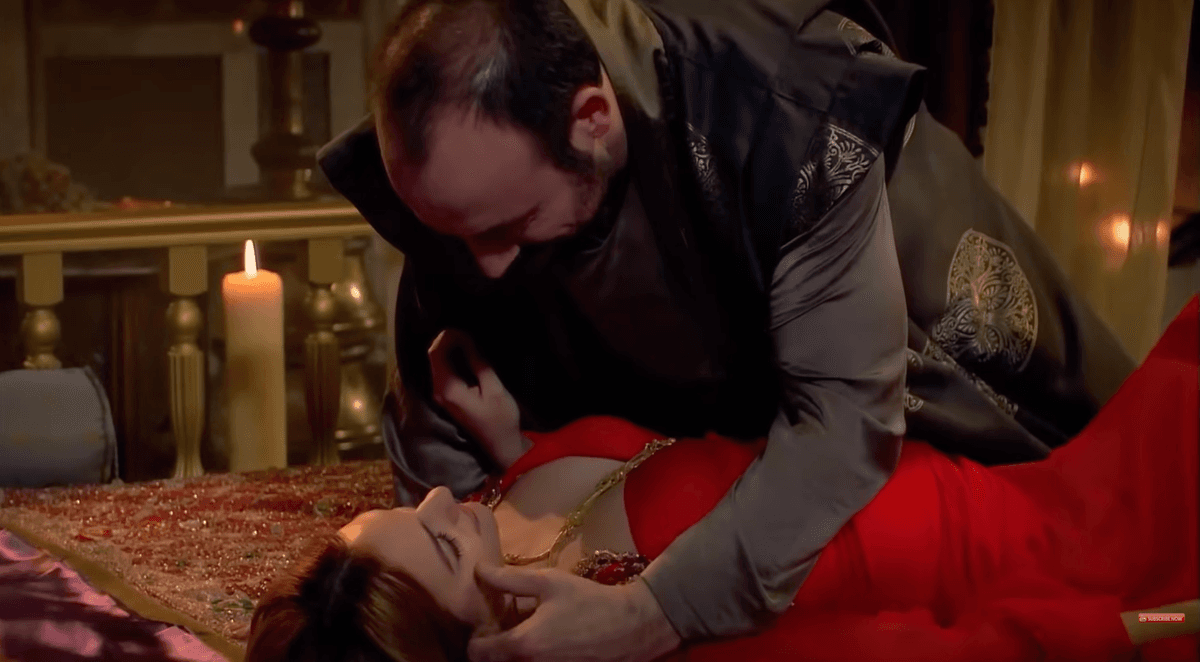

Magnificent Century Via YouTube
Turkish Dramas have been steadily increasing their reach across the world, with audiences tuning in from Chile to Qatar. Magnificent Century Via YouTube

Fancy a 16th century romance? Or how about a devoted husband who supports his wife’s career aspirations in fashion design? Or maybe a village girl who falls for a successful city doctor? These are just some of the story lines that Turkish Dramas, known as dizi, engage in to attract millions of viewers worldwide. 

These days Turkey ranks as the number two exporter of TV series after Hollywood. In 2020, Netflix created the “Made in Türkiye” collection, generating $52 million for the country’s economy and made Turkish dramas accessible in more than 190 countries. 

First airing in 2011, the “Magnificent Century” broadcasted to more than 140 countries and pulled in 500 million viewers worldwide. The story of the 16th-century Ottoman ruler Sultan Suleyman and his love affair with a concubine captivated audiences.

Although this series romanticizes Turkey’s imperial past, most themes centered in dizi dramas are anchored in a cultural familiarity that is not typically represented in Western media. Instead of topics that focus on a western style liberation or hyper individualism, Turkish dramas focus on a “shared zeitgeist and longing for emotional stability, stronger family ties, honor, romance,” researcher Miriam Berg tells The New York Sun.

She adds that this sense of social belonging is something many feel is disappearing in contemporary Western television — and perhaps even in contemporary Western societies.

The foreign press, however, didn’t miss a beat, calling Magnificent Century the “Ottoman-era Sex and the City.” In this telling, the closest thing to a Carrie Bradshaw, very loosely speaking, is the Crimean concubine, Hürrem Sultan, whom the sultan later marries. History has largely overlooked her.  

In their appeal, Turkish dramas blend luxury with family values, peppering suggestive scenes that leave just enough to the imagination. These storylines are not only successful across the Middle East but also in the telenovela hubs of South America. The only region where Turkish dramas lack a sizable reach is the West, which Ms. Berg attributes in part to gaps in cultural differences and societal values.

Ani Demetradze, 22, started watching Turkish dramas with her grandmother to weather the long winter nights in Samstke-Javakheti, a region in southwestern Georgia that was once occupied by Ottoman rule for nearly three centuries. 

When Ms. Demetradze enrolled in English Philology at the local university, she knew Turkish would be her required second language. Beyond the program’s annual trips to Turkey and a fully funded master’s opportunity, she noted a more practical reason for her choice: “They are our neighbors and I have a chance to travel.” After all, Ms. Demetradze’s exposure to Turkish language and culture was shaped by the dramas she watched with her family on the state television channel. She added with a laugh that the handsome actors onscreen are also a plus.

In Turkey’s soft prowess, tourism is a valuable benefactor. According to the Turkish Tourism Authority, the number of Arab tourists visiting Istanbul alone had doubled from the years 2011–2017. The audience interest with the series and the sites the production deliberately captures, creates a strong viewership desire to visit the country. Professor Dr. Deniz Duru tells the NY Sun that cities like Cappadocia and Istanbul not only highlight the beauty of the country but help establish Turkey as a regional power, generating high interest. 

In fact, parts of the Magnificent Century were filmed at the Topkapi Palace, the once administrative and residential headquarters of the Ottoman Empire. Visitors can wander the ornate halls, adorned with golden inlays, and even peek inside the Sultan’s private chamber. The Harem is also accessible to visit, including the concubine corridor where the show’s lead is set to live. An irresistible attraction, the palace represents both history and romance.  

Some reports, citing Turkey’s Ministry of Culture and Tourism, claim that after the series Gümüş aired on Arab television, as many as 300,000 fans visited the waterfront mansion where the show took place. Set along the Bosphorus Straight, like a “string of pearls,” the Abud Efendi Yalısı mansion has a total of 18 rooms and two large halls. Travel agencies suggest that tourists visit the site via a private yacht rental, assuring that this is the best way to avoid crowds onshore. 

As the Turkish dizi genre expands, highlighting more and more of Turkey’s language, culture and history with it, Ms. Berg notes that one consistent factor in her last 15 years of research has stayed unchanged — the “ever-growing audience.” 


The New York Sun

© 2025 The New York Sun Company, LLC. All rights reserved.

Use of this site constitutes acceptance of our Terms of Use and Privacy Policy. The material on this site is protected by copyright law and may not be reproduced, distributed, transmitted, cached or otherwise used.

The New York Sun

Sign in or  create a free account

or
By continuing you agree to our Privacy Policy and Terms of Use