The Judges Are Turning Political
Now the sages in New Jersey are entering the political fray over Alina Habba.
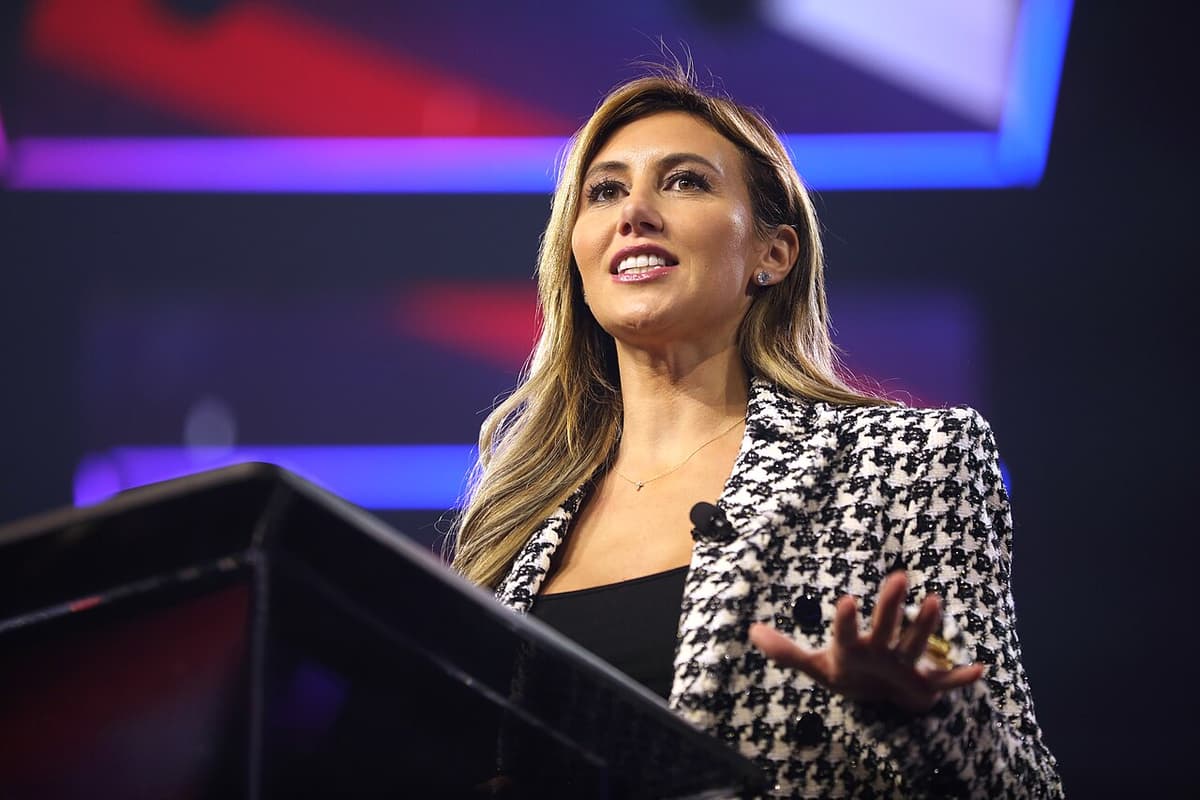
The effort by federal judges in New Jersey to block President Trumpâs appointment of a United States attorney there is best seen as the latest example of the politicization of our courts. It was sprung this week as expiration neared of the interim term of Alina Habba, erstwhile a personal defense attorney for President Trump. A panel of federal judges, almost all of them Democrats, stepped in to pre-empt Ms. Habba from trying to stay in the job.
It is a shocking breach of separated powers â and all the more so in light of what has been happening at Albany, New York. There, as these columns have reported, federal judges have been maneuvering to block Mr. Trumpâs choice to be the local United States attorney. We warned at the time that unless Mr. Trump sticks by his pick for the job, the politics of the upstate New York federal bench will be seen as decisive.
There is nothing benign about federal judges getting involved in this kind of politics. The Constitution â in Article II, which establishes the presidency â grants to the president the power to appoint âallâ officers of the United States whose appointments are not provided for elsewhere in the Constitution. United States attorneys â the 93 federal prosecutors in 94 districts across America â are not elsewhere provided for in the Constitution.
The idea is that he who is required to take care that the laws be faithfully executed â a duty given in the Constitution to only the president â logically has to be able to hire and fire the officers he needs to take care of the assignment. If one were to make, for exigencies, an exception to that principle, why in the world would one give federal judges the chance to name the prosecutor in the cases over which the judges would sit?
In the case of federal prosecutors, the presidentâs nominees are subject to Senate approval. That is shaping up as a point of contention in Mr. Trumpâs second term. Feature, say, Senator Schumer, who has said he will use the upper chamberâs âblue slipâ privilege, which lets home-state senators bar votes on judicial and prosecutorial nominees, to block the presidentâs picks for United States attorney in New Yorkâs Southern and Eastern districts.
That leaves in limbo Mr. Trumpâs nomination of Jay Clayton at New York, and Joseph Nocella Jr. at Brooklyn. Both are serving as interim United States attorneys in critical districts until or unless the Senate approves them for the job. In New Jersey, Senator Booker has opposed Ms. Habba for the prosecutorial post at Newark. Nevadaâs senators, both Democrats, are against Mr. Trumpâs pick for United States attorney at Nevada, Sigal Chattah.
Senator Grassley, who heads the judiciary committee, says heâll honor his colleaguesâ use of the blue slip privilege. That suggests some of Mr. Trumpâs choices for United States attorney could have trouble keeping their jobs past the 120 days allowed under federal law. That opens the door to political meddling by federal judges, who have the discretion, per federal statue, to âappoint a United States attorney to serve until the vacancy is filled.â
Mr. Trumpâs leading legal lieutenants are none too pleased. âThis Department of Justice,â Attorney General Bondi says, âdoes not tolerate rogue judges when they threaten the Presidentâs core Article II powers.â Her deputy, Todd Blanche, decried the New Jersey judgesâ move against Ms. Habba as a âbackroom voteâ that âwill not override the authority of the Chief Executive.â The road to resolving this rhubarb, though, could run through the Senate â or the Supreme Court.