The Logic of Pardoning Netanyahu
President Trump’s suggestion that the legal jeopardy over the Israel premier be ended through the pardon process is wise advice.
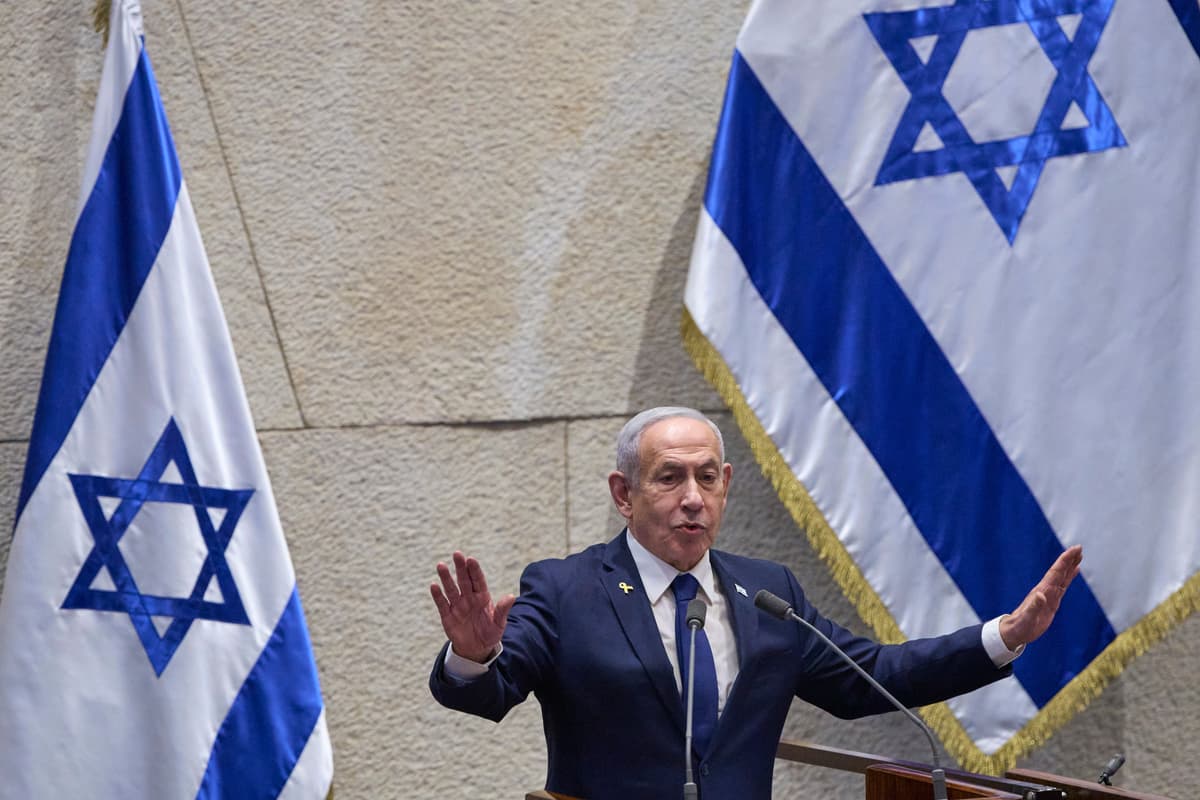

Prime Minister Benjamin Netanyahu is asking the Israeli president to end all legal cases against him. And not a minute too soon. The Sun has long opposed legal maneuvering designed to undo decisions reached by popular elections. Nowhere has lawfare been more evident than in Bibi’s legal saga. Even if the alleged crimes that the premier is accused of are as damaging to Israel’s rule of law as his accusers say, the trials’ harm seems worse.
Three cases, filed nearly a decade ago, allege fraud, breach of trust, and accepting bribes. Since 2020, Mr. Netanyahu has been dragged to testify in court thrice weekly — even while in the last two years he has levied Israel’s most consequential war since its founding. Hearings have “been ongoing for almost six years, and it is expected to continue for many more years,” Mr. Netanyahu said in a video message over the weekend, justifying his request to the president.
The prime minister has long vowed to prove his innocence in court. “Nothing will happen, because nothing has happened,” was his line from day one. Yet as Israel enters an election year, he is asking President Isaac Herzog to dismiss all cases. The 111-page request from Mr. Netanyahu’s lawyer, Amit Hadad, is reinforcing Israel’s political clash between avid supporters of the premier and the anyone-but-Bibi crowd.
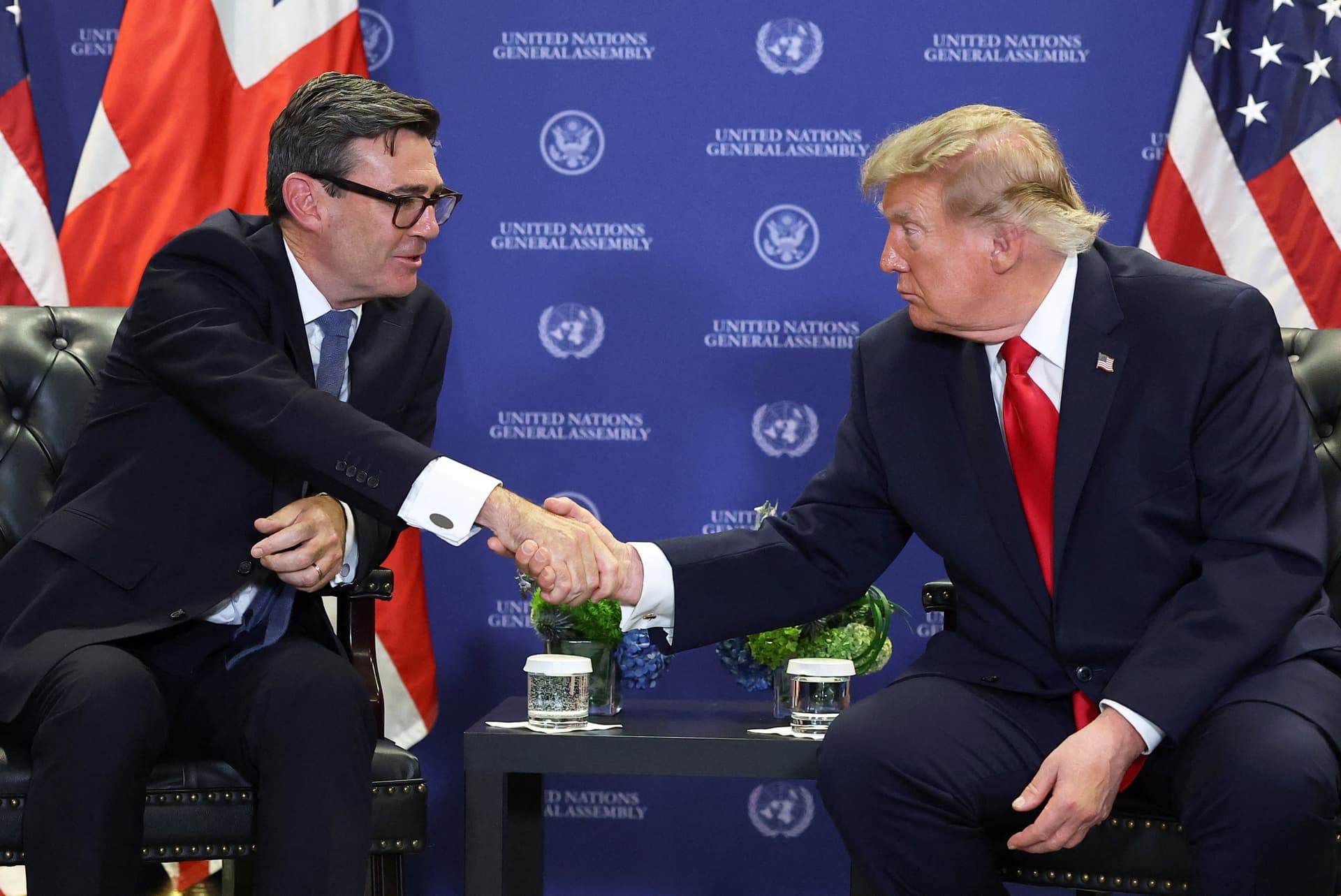
That division resembles the American political split between President Trump’s supporters and those afflicted with what the late Charles Krauthammer termed as Trump Derangement Syndrome. Mr. Trump addressed the Knesset in October, where he first floated the idea of Israel pardoning Mr. Netanyahu. He later formalized the request in a letter to Mr. Herzog. On Monday the president invited Mr. Netanyahu to visit the White House in the “near future.”
Kinship between the American and Israeli leaders is evident, fed partially by the feeling that both are unfairly being pursued by legal zealots. “President Trump called for an immediate end to the trial,” Mr. Netanyahu said Sunday, “so that, together with him, I could advance even more vigorously the vital interests shared by Israel and the United States, within a time window that may never return.” Will Mr. Herzog, then, end Mr. Netanyahu’s unprecedented trials?
Unlike the Department of Justice’s opinion that an American president is immune from federal prosecution, Israel has gone after its chief executive with a vengeance. As the country enters an election year, Mr. Herzog is pushed by all sides. “My decision will be informed solely by the good of the country,” Mr. Herzog said Monday, warning that he will not abide “violent talk.” He has pardoning leeway, though it is narrower than our president’s.
By precedent, most presidential pardons in Israel are given to convicted felons after they have expressed remorse. Yet that is far from what Mr. Netanyahu is seeking. In 1984, the current president’s father, Chaim Herzog, pardoned senior Shin Bet officers who were accused of killing bus-hijacking terrorists after they were already captured and handcuffed. The late president cited the greater national good to end the case before it was tried.
Such an argument seems to be at the heart of Mr. Netanyahu’s request. He had sought full exoneration, he said, but “the security and diplomatic reality, the national interest, demand otherwise.” Added he, “an immediate end to the trial would greatly help lower the flames and promote broad reconciliation, something our country desperately needs.” As Mr. Herzog acknowledged, though, divisions are more likely to widen in his decision’s aftermath.
Rather than fully accepting or rejecting the pardon request, Mr. Herzog’s answer is more likely to be “yes, but,” Israel’s Channel 12 political commentator, Amit Segal, writes on X. One such option, in lieu of admission of guilt, would be a demand that Bibi retire after one more term in office. “I have been elected time after time in democratic elections, and I have received your trust to continue serving,” Mr. Netanyahu says.
These columns try to avoid opining on how Israelis should run their country (we tend to focus instead on what America should do). Yet we have not hesitated to warn Israel against what we call the “American disease” — using criminal laws against political opponents. President Trump is the first American leader to urge that Mr. Netanyahu’s legal travail be ended with a pardon. The point of a pardon is to liberate the political process — not to end it.