The Recess Appointments Scandal
The Constitution gave the recess appointment to the president, and the current fight is a good example of why.

Are we the only ink-stained wretches as have grown uncomfortable with the way the Senate routinely maneuvers against the power of the president to make recess appointments? This is in the news because of August. The Senate, with a backlog of nominees for judgeships and other posts, wants a vacation. To block President Trump from filling any openings that become vacant while theyâre away, the Senate is going to fake being in session.
This is not a new development. That the maneuver has become routine is the scandal. The Senate will be âin sessionâ but without enough senators present to do business. This way it wonât be out of session for 10 days, which the Supreme Court says it must be in order for a president to make the temporary appointments that the Constitution empowers the president to make until the end of the next Senate.
Call recess appointing a second-rate power the way Justice Clarence Thomas once described the Second article of the Bill of Rights a second-class right. Our own view is that the recess appointment has gotten a bad rap. It has been used to great effect by both parties over the years. President Eisenhower famously used recess appointments to put three justices on the Supreme Court â including a chief justice of the United States, Earl Warren.
The contention over recess appointments stems in part from the wording of the Appointments Clause in Article II giving presidents âPower to fill up all Vacancies that may happen during the Recess of the Senate.â Does this mean, sages have pondered, that the vacancy has to arise during a recess? What about a post that was open before the recess started? And just what constitutes a recess, anyway? This led the Supreme Court, in 2014, to weigh in.
The dispute arose over President Obama in 2012 appointing two members to the National Labor Relations Board. The Senate, which would normally have power to confirm or deny the nominations, was in recess. Yet, the high court observed, the Senate had actually slated âa series of brief recesses punctuated byâ what are called âpro forma sessionsâ every Tuesday and Friday. No business was done in these sessions.
So, Mr. Obama reckoned, the Senate was in recess during this stretch of time. The Supreme Court unanimously disagreed, though, in NLRB v. Noel Canning, averring that âwe cannot ignore these pro forma sessions.â The Nine held that a â3-day recessâ is âtoo short a time to bring a recess within the scope of the Clause.â So, the high court concluded, âthe President lacked the power to make the recess appointmentsâ at stake in the case.
Any recess, actually, of fewer than 10 days was too brief to deploy the Appointments Clause to fill a vacancy, the Nine decided. So it is that the Senate has kept on scheduling its pro-forma sessions every few days, and no recess appointments have been made since 2012. In a concurrence, The Great Scalia touted the limits on recess appointments as a âlimitationâ on presidential power that was ânot for the benefit of the Senate, but for the protection of the people.â
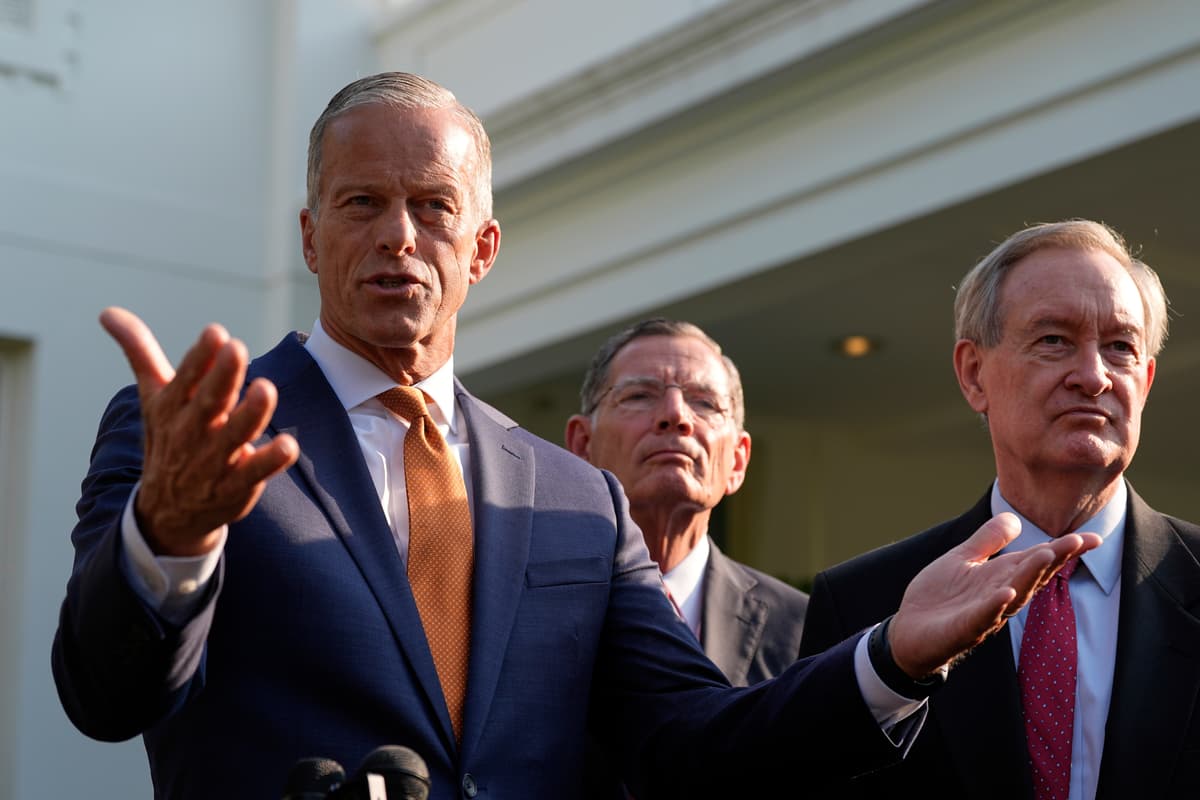
Which brings us back to Mr. Trumpâs travails as he attempts to staff his administration in the teeth of Senate slow-walking. More than 130 Trump nominees are stuck, Politico reports, in a âconfirmation backlog,â despite the president âpressing hard for progress.â Yet some Democrats see little incentive to aid Mr. Trump. Hence the calls by some in the GOP to put the Senate into a proper recess that would enable the president to fill the executive branch vacancies.
The senators, scandalously, hesitate to cede their power to give âadvice and consentâ to presidential nominees. Yet, as the Hill reports, Senate Democrats today âare taking obstruction to new heights by demanding more than 100 procedural votes in a row on Trumpâs nominees.â Senator Thune threatens to keep the Senate in session through August to make headway. So what matters more to the solons, their prerogatives or their vacations?