The Silence Over $4,000 Gold

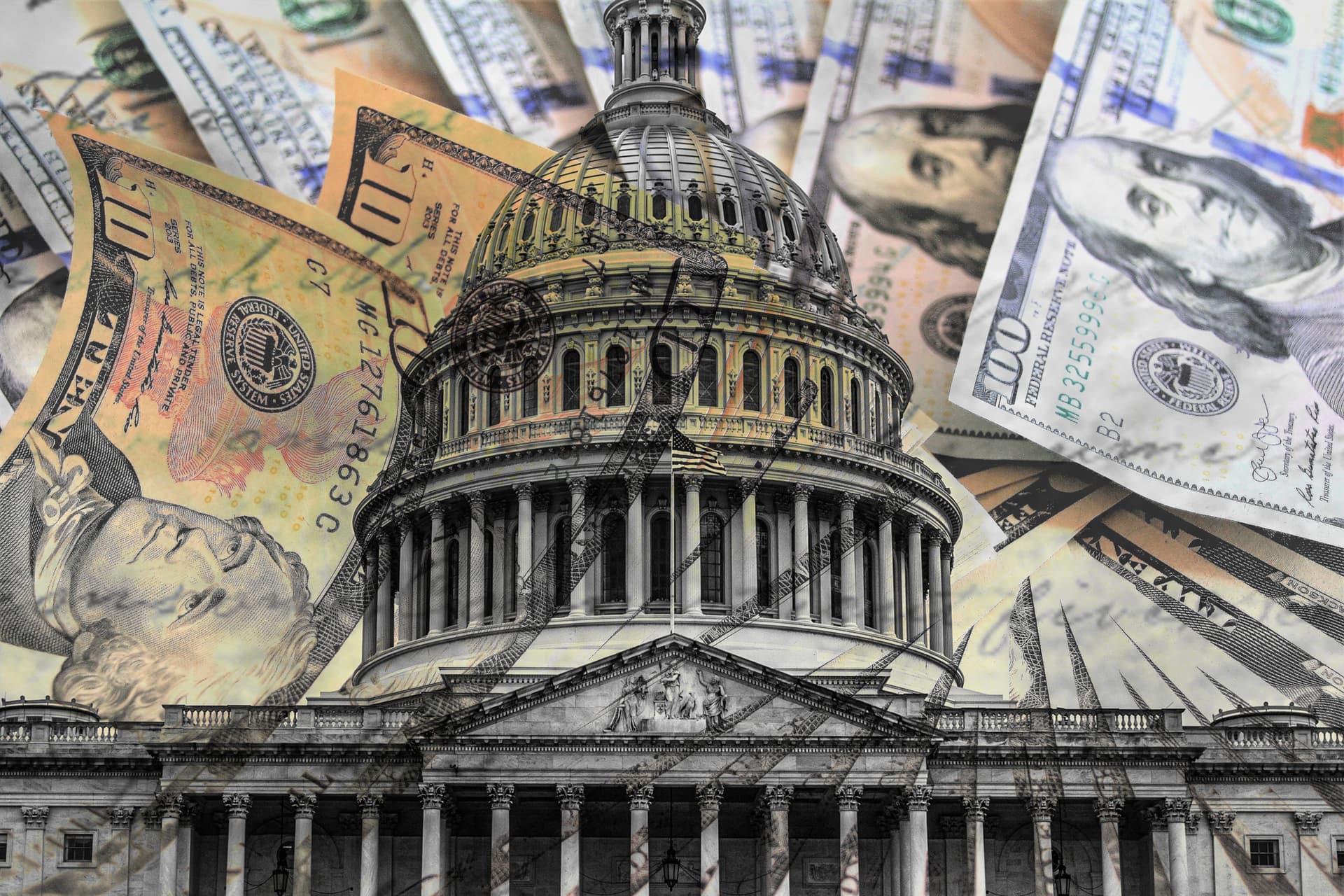
Why are no leaders at Washington addressing the collapse in the value of the money issued by the Federal Reserve?

AP/Jae C. Hong
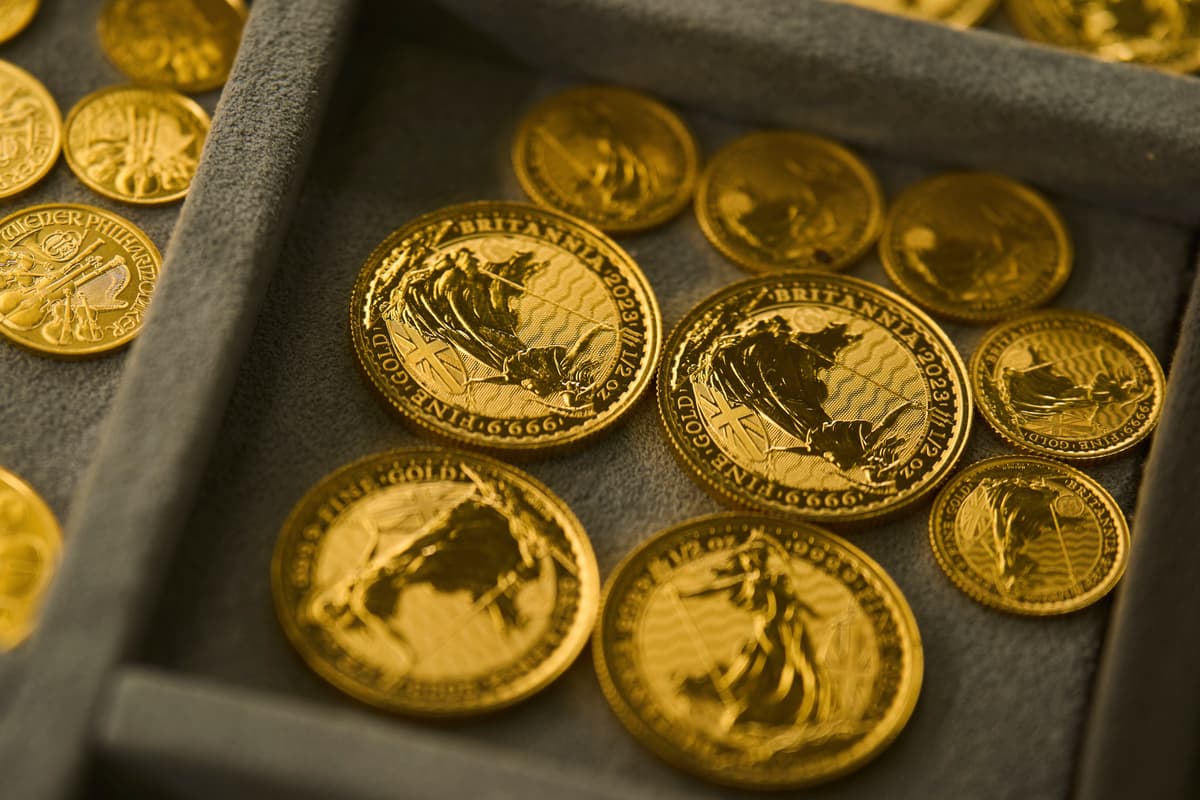
Gold coins at the St. Vincent Jewelry Center, Los Angeles, April 30, 2025. AP/Jae C. Hong
The New York Sun

The arresting fact today is that few major figures have commented on the collapse of the value of the dollar to below a 4,000th of an ounce of gold. Neither President Trump nor his opponents, nor the treasury secretary nor the chairman of the Federal Reserve, nor their various deputies and colleagues, have issued any kind of statement, one way or another. This marker on the value of the American currency is passing in silence.

That is, by our lights, all the more remarkable coming, as it does, at a moment when the government is shut down for a lack of spondulix. Mr. Trump has made it clear that he wants the dollar to remain the world’s reserve currency. Yet other central banks have been making a concerted effort to acquire gold. Even as our central bank has created trillions of dollars to lend to the government of which it’s a part.

This is part of a generations-long trend. On January 20, 2001, when President George W. Bush was inaugurated, the value of the dollar was a 265th of an ounce of gold. That was at the end of the Clinton administration, during which the value of the dollar rose more or less steadily. Under Mr. Bush, the value of the dollar in terms of the classical monetary metal began to slide, at a rate that shocked us down to the ground.

We issued the first of our editorials in this series in December 2005, when the dollar plunged below a 500th of an ounce of gold. The dollar’s value had plunged 46 percent in terms of the metal that is the greatest store of value. If it were going in this direction, reported our Dan Dorfman (now gone, alas), Mr. Bush would leave his presidency with the greenback a shadow of what it was when he took office.

Dorfman, as we recollect, predicted that the dollar could collapse below a thousandth of an ounce of gold. That happened for the first time in March 2008. When George W. Bush finished his second term, the value of the dollar was an 853rd of an ounce of gold, but the value soon fell again to less than a 1,000th of an ounce. Since then it has been a breath-taking downhill slide, as our chart illuminates, over decades.

In respect of the latest plunge, CNBC reports that both central banks and retail investors are buying gold at a rapid pace. It reports today that Communist China and other countries are diversifying away from United States Treasurys and into gold after Washington imposed stiff sanctions on Russia over its invasion of Ukraine in 2022, and retail investors are looking for protection against inflation.

We tend to view the collapse in the dollar’s value as a sign of distrust in the way the Federal Reserve Notes are managed by their issuer, our central bank. It is a vote of no confidence in the system of fiat money — without backing in gold or silver — that has obtained since America defaulted on its Bretton Woods obligations. That included a promise to redeem, at a 35th of an ounce of gold, dollars presented by foreign governments.

What that chart and the dollar at a 4,000th of an ounce of gold marks is, among other things, the cause of Americans’ decades-long unease about the economy. And no wonder. Just since George W. Bush began his presidency, the dollar has lost 93 percent of its value in gold. We can’t help thinking that the politician who can bring this issue to life on the hustings is the one to watch in the seasons ahead.


The New York Sun

© 2025 The New York Sun Company, LLC. All rights reserved.

Use of this site constitutes acceptance of our Terms of Use and Privacy Policy. The material on this site is protected by copyright law and may not be reproduced, distributed, transmitted, cached or otherwise used.

The New York Sun

Sign in or  create a free account

or
By continuing you agree to our Privacy Policy and Terms of Use