
The U.S.-China Trade War

The rising hostility underscores the need to reassert America’s independence from the world’s second largest economy.
AP/Susan Walsh
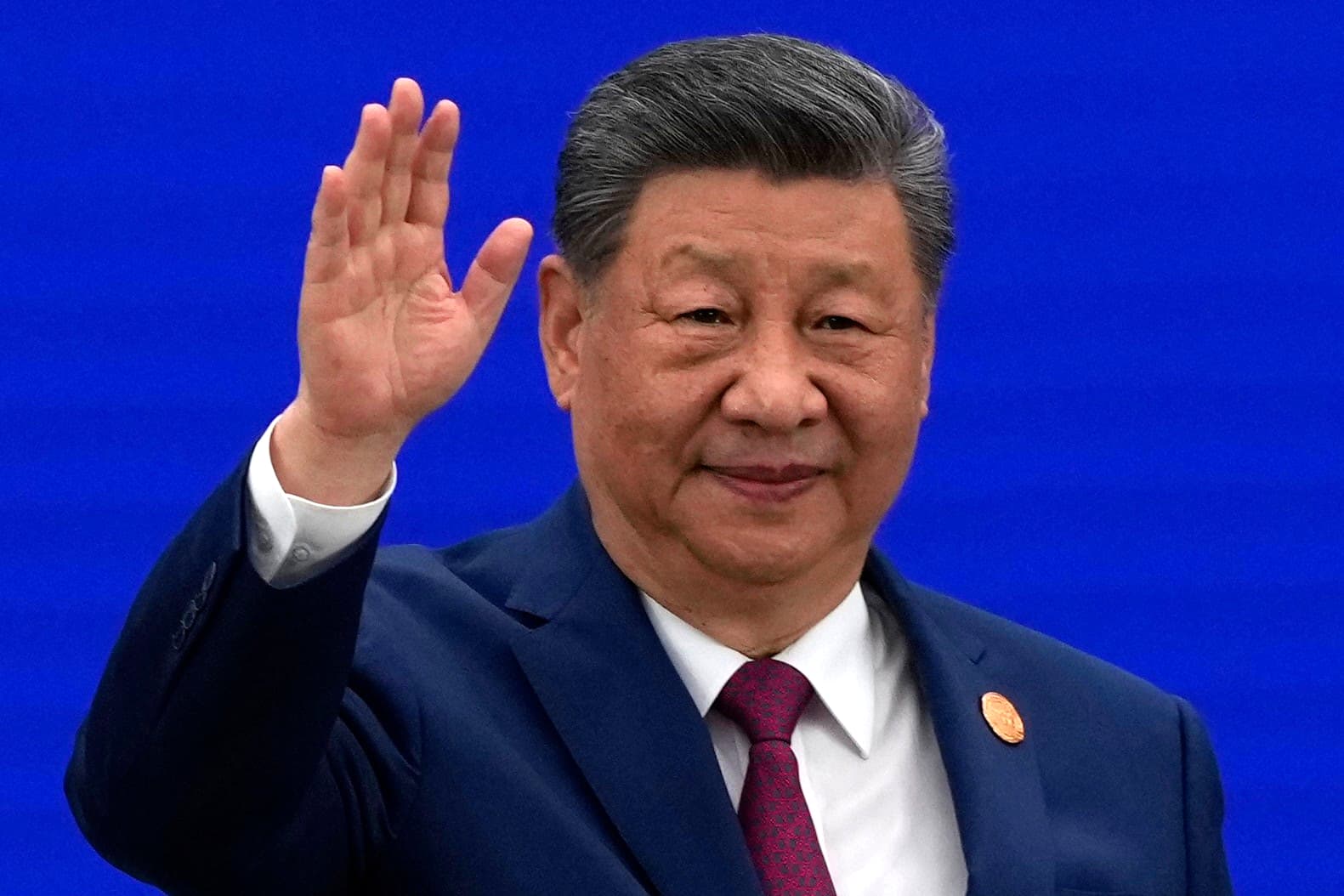
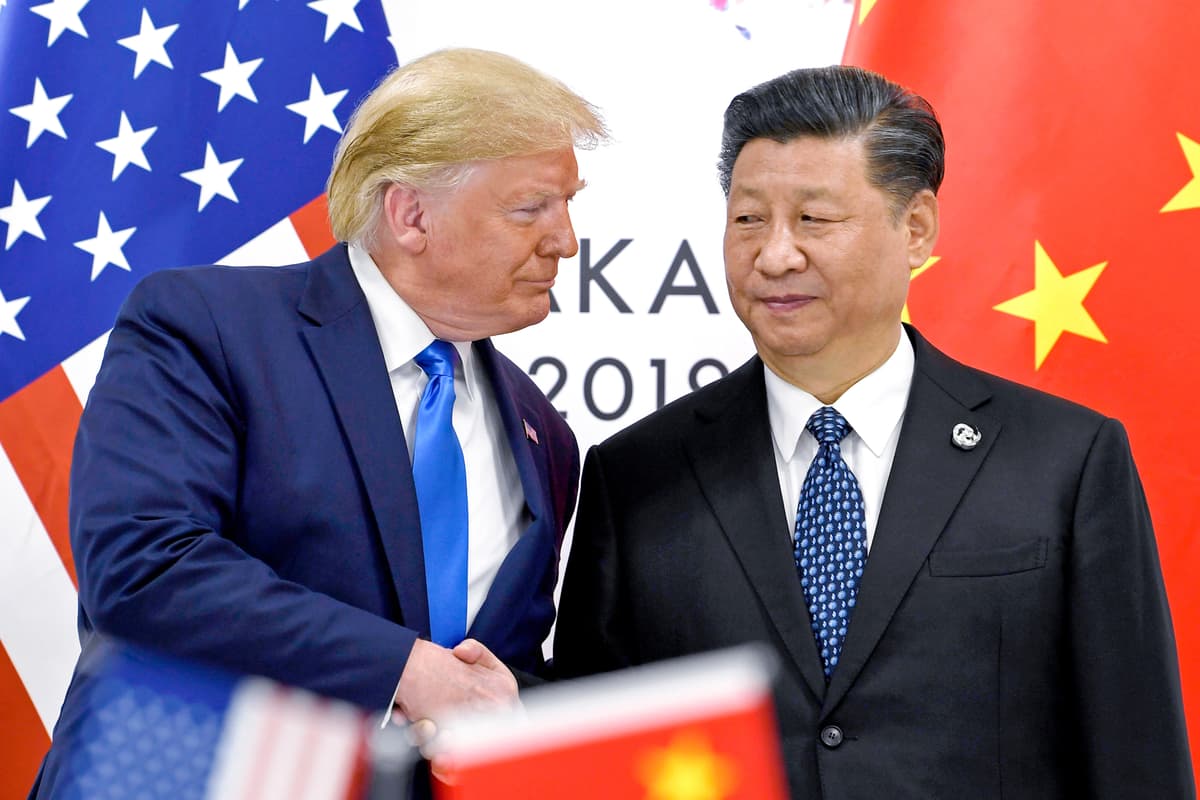
President Trump and President Xi Jinping at Osaka, Japan, June 29, 2019. AP/Susan Walsh

Communist China’s increasing belligerence in its trade dispute with America bares the folly of having attempted to normalize ties with the regime at Beijing. The rising hostility underscores, too, the need for America to reassert its independence from China when it comes to, say, the supply of rare earth minerals that Beijing uses as leverage against its rivals. Failure to do so risks ceding to China the mantle of global leadership and consigning America to second-tier status.

The Sino-American tensions have come to a head in recent days, with China’s threat to limit exports of the rare earth minerals that are critical to America’s manufacturing and defense sectors, but the flaws in this “relationship,” if it deserves the name, go back decades. With what other trading partner, one could well ask, would America tolerate the kind of threats and menacing actions that Beijing, in recent months, has been deploying?

Warning China against “highly aggressive” tactics, Vice President Vance averred that “the president of the United States has far more cards than the People’s Republic of China.” Yet, as Fortune reports, “China holds an unexpectedly strong hand in the trade war.” The mandarins’ ace card, per Fortune, is control of up to 90 percent of the market in critical rare earth minerals, needed for defense production as well as high-powered magnets and semiconductors.  

A former official in the White House’s Office of Science and Technology Policy, Dean Ball, cautions that “China has crafted a policy that gives it the power to forbid any country on Earth from participating in the modern economy.” It’s testament to the misplaced confidence that leaders in America and other developed nations have placed in China that Beijing’s dominance in rare earths has been overlooked in recent decades. 

Now, it seems, Beijing intends to make the most of the upper hand it has gained by the West’s shortsightedness. Yet the problem is not that America lacks for rare earths, our contributor Howard Husock reports. What’s missing, he explains, is the “political will to overcome regulatory barriers to their mining.” America, too, could do a better job extracting rare earths from old electronics that get dumped into landfills, Mr. Husock reports. 

The more urgent need is to get a domestic supply of rare earth minerals — without which, say, new cars and fighter jets cannot be produced — back in steady production. That would require overcoming the opposition of environmental activists, and even Native American tribes who decry development near sacred sites in the West. Capacity to process the rare earth minerals — an ecologically sensitive operation — will also need to be revived here.

China is playing hardball, too, with America’s farmers in an apparent effort to gain leverage in today’s trade imbroglio. Last year, the Mainland bought some $12 billion in soybeans from farmers here. So far this year, that number has plunged to zero. Talk of farm bankruptcies is growing, and Mr. Trump is weighing a bailout of soybean growers to the tune of some $15 billion — possibly using funds gleaned from the tariffs the president has imposed.

Meanwhile, trade data out today shows the Chinese export steamroller is unimpeded by American tariffs, with “shipments overseas growing at their fastest pace in six months,” Bloomberg reports. That is likely to fuel President Xi Jinping’s sense that he will be able to weather Mr. Trump’s countermeasures on trade. Is this what America’s leaders had in mind when they in 2000 permanently granted China Most Favored Nation trading status?


The New York Sun

© 2025 The New York Sun Company, LLC. All rights reserved.

Use of this site constitutes acceptance of our Terms of Use and Privacy Policy. The material on this site is protected by copyright law and may not be reproduced, distributed, transmitted, cached or otherwise used.

The New York Sun

Sign in or  create a free account

or
By continuing you agree to our Privacy Policy and Terms of Use