Top Indian Refiners Stop Buying Russian Oil, in Early Signal Trump’s Diplomatic Push Against Kremlin Is Working
The move comes as the American president is losing patience with President Putin.
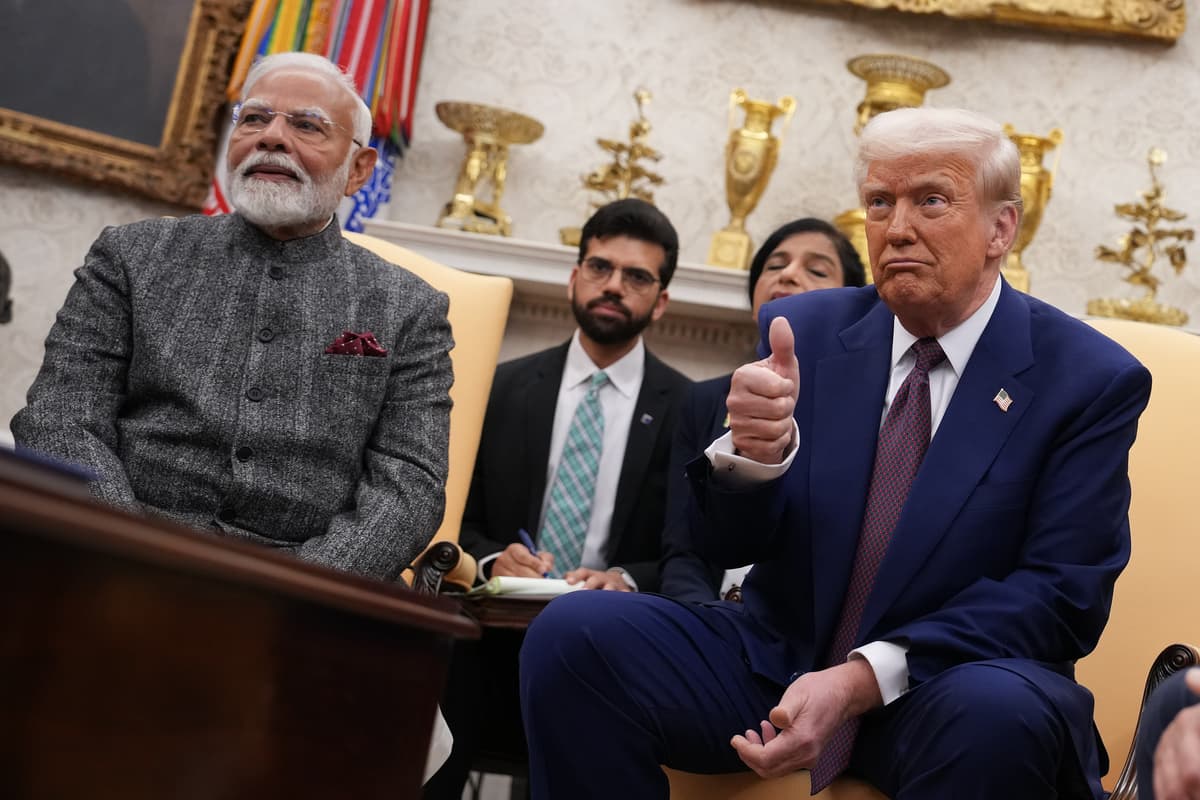
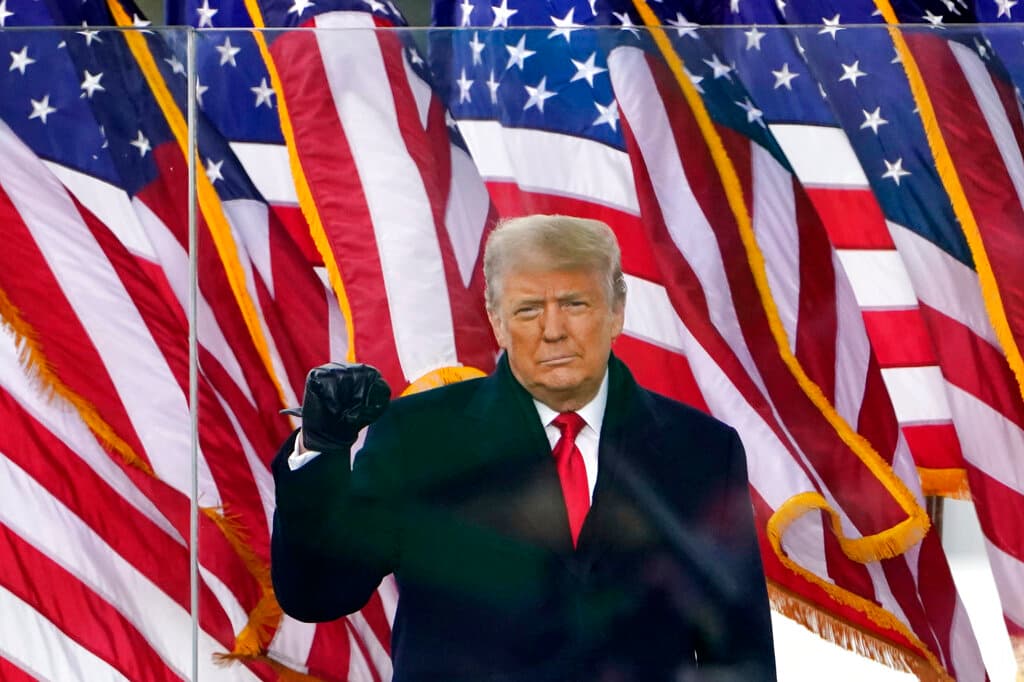
President Trump’s muscular diplomacy may be yielding results. Frustrated with India’s imports of Russian oil, President Trump promised to slap a 25 percent tariff on Indian exports to America, starting tomorrow. In response, India’s four largest state oil refiners stopped buying Russian oil, Reuters reports today.
The move comes as Mr. Trump is losing patience with President Putin. Tightening deadlines, the American leader wants Russia and Ukraine to work out a cease-fire by August 8 — one week from tomorrow.

“Both Russia and Ukraine must negotiate a cease-fire and durable peace. It is time to make a deal. President Trump has made clear this must be done by August 8,” a senior American diplomat, John Kelley, told the 15-member UN Security Council today. “The United States is prepared to implement additional measures to secure peace.”
Only one week ago, oil analysts were skeptical that Mr. Trump would follow through on his threat to impose “secondary sanctions” on India and Communist China for their purchases of Russian oil. Reuters headlined: “Trump unlikely to enforce tariff threat on Russian oil.” Oil analysts interviewed doubted that Mr. Trump would risk running up international oil prices and domestic inflation.
Yet oil prices fell today as traders discounted reports in Reuters and Bloomberg that India, the world’s largest importer of seaborne Russian oil, is reverting to traditional suppliers in the Middle East and West Africa. Analysts who had cautioned against action against India’s oil purchases evidently ignored that India bought only 1 percent of its imported oil from Russia before Mr. Putin attacked Ukraine, in February 2022.
Perhaps only the White House was listening two weeks ago when India’s oil minister, Hardeep Singh Puri, told an energy conference in New Delhi: “I’m not worried at all. If something happens, we’ll deal with it.”
“India has diversified the sources of supply,” he said. In response to worries about a tight global oil market, he said India now buys oil from 40 countries and is looking forward to new production from such countries as Guyana.
China and India are the largest buyers of Russia’s oil, the nation’s biggest export. Each country buys about 2 million barrels a day. India buys Russian oil largely for economic reasons. With Russia supplying India with 35 percent of its imported oil, Russia has saved India billions of dollars since 2022. On the news of a phase out of purchases from Russia, the share prices of India’s three largest refiners fell today on the Mumbai’s National Stock Exchange of India.
The leaders of India, the world’s fastest growing major economy, may have decided that a forward looking economic partnership with America is more important than a historic one with Russia. India has 10 times the population and two times the economy as Russia.
China, the world’s largest oil importer, wants to save money, but it also wants to prop up its northern neighbor and ally. Oil and gas sales cover as much as half of Russia’s government budget. Together, China and India pay an estimated $120 billion a year to Russia for oil.
Publicly this week, the Kremlin brushed off Mr. Trump’s sanctions as more of the same. “We see that the West simply cannot let go of the issue of sanctions. It seems as if they are constantly stuck in a rut,” the Russian foreign ministry spokeswoman, Maria Zakharova, told reporters at Moscow yesterday. “Apparently, there are no other options left — they have been exhausted. We are responding and taking measures to counteract all of this or even turn it to our own advantage.”
Similarly, the Kremlin spokesman, Dmity Peskov, told reporters: “We have been living under a huge number of sanctions for quite a long time. Our economy operates under a huge number of restrictions.”
One face-saving outlet for serious talks could be the Russia-Ukraine meetings at Istanbul. The most recent meeting, held last week, largely focused on prisoner exchanges. It was the third such meeting at Istanbul this year.
“We intend to continue the negotiations in Istanbul,” Russia’s deputy ambassador to the UN, Dmitry Polyanskiy, told the Security Council today. However, he added: “Despite the meetings in Istanbul, in the West, the war party did not go away.”
Secretary Rubio told Fox Radio today: “We continue to engage with the Russian side — earlier this week, on Monday or Tuesday.” However, he added: “Obviously the President’s not going to wait forever.”
Senator Graham yesterday said on X: “Russia, you are right when it comes to sanctions. You have been able to avoid them and you have learned to live with them. Apparently, what you don’t understand is that President Trump is changing the game and he is going to put tariffs on countries who buy your oil and gas, propping up your war machine.”
In an apparent reference to India’s lack of consumer loyalty, he added: “You might want to check with those countries soon to see if they have the same cavalier attitude that you do.”