Trump Administration Action Brings Hope for Relief from Religious Persecution to Christians in Nigeria
Analysts say more people are killed for their faith in the West African country than in all other countries combined.
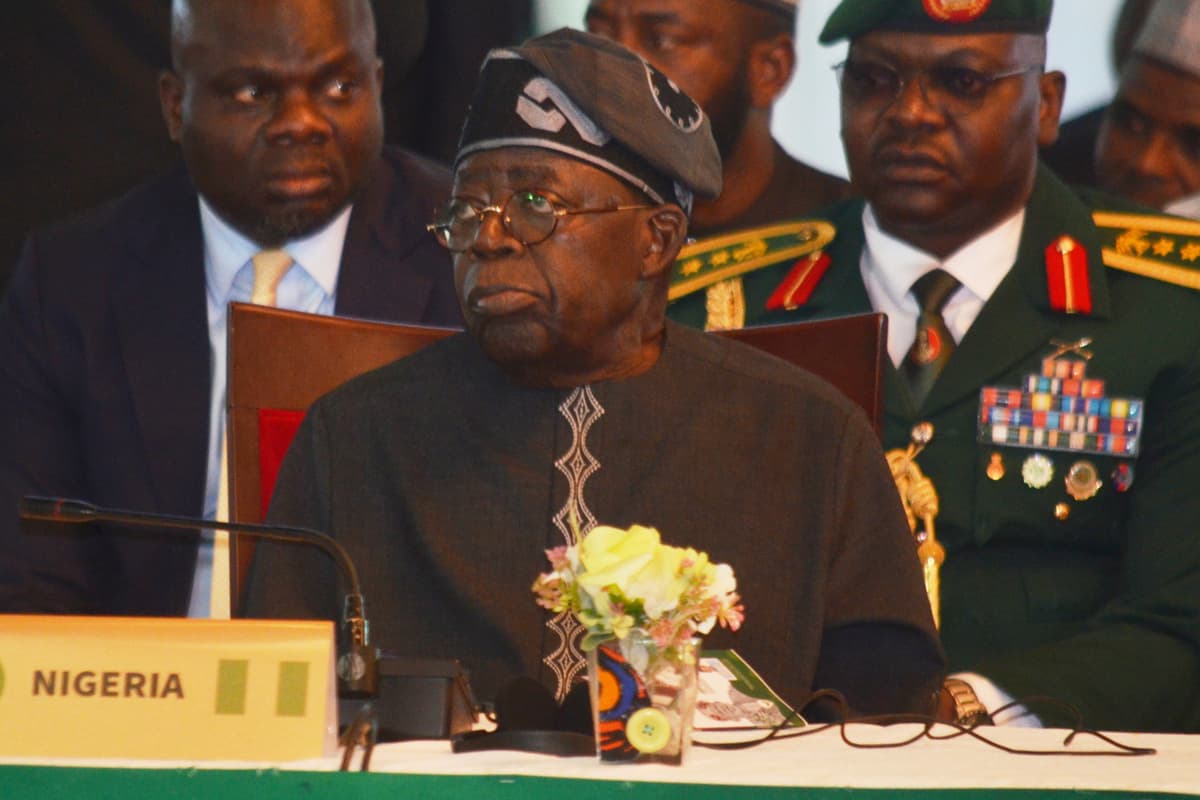

America’s designation of Nigeria as a “Country of Particular Concern,” accompanied by President Trump’s threat to follow up with military action, has escalated tension between America and West Africa’s most populous country.
But religious freedom advocates say the designation – which signals formal American concern and is likely to trigger targeted diplomatic consequences – could actually help to strengthen governance in Nigeria while saving lives and preventing wider instability.
This week’s action under U.S. religious-freedom laws followed weeks of pressure from congressional leaders and faith-based advocacy groups for the administration to address the systematic persecution of Christians in Nigeria.
Advocates point to widespread attacks on Christian churches and villages — including massacres, kidnappings, and the destruction of homes and churches — and highlight repeated failures by Nigerian security forces to protect vulnerable populations.
“A CPC designation of Nigeria is an official acknowledgment of a massive religious freedom crisis engulfing Nigeria’s Middle Belt Christian communities that has been ignored in American policy,” a senior fellow and director of the Center for Religious Freedom at Hudson Institute, Nina Shea, tells The New York Sun.
“This puts pressure on the Nigerian government to end Fulani militia attacks that have already killed thousands and displaced millions of Christians in farming families of the Middle Belt.”
Ms. Shea said such a designation could save lives, strengthen governance, and prevent wider instability.
“It would help mitigate Nigeria’s descent into failed state status and the spread of extremist violence,” she continued, adding that it would help reduce refugee flows and “prevent further instability in this already precarious greater region of West Africa.”
The Demand for Action
Persecution of Christians in Nigeria, however, is not new. Advocacy groups and media reports highlight staggering figures: roughly 1,200 churches are destroyed annually, and hundreds of Christians are killed each year in attacks linked to Islamist insurgents, ethnic militias, and criminal gangs.
According to the International Society for Civil Liberties and Rule of Law, a Nigeria-based non-profit, more than 52,000 Christians have been murdered since 2009, and approximately 18,000 churches and 2,200 Christian schools have been deliberately destroyed.
Open Doors, a Netherlands-based group that supports persecuted Christians worldwide, reported in its 2023 World Watch List that more than 4,000 Christians were killed and more than 3,300 kidnapped in Nigeria, accounting for more than 80 percent of global faith-related killings and abductions documented that year.
The organization noted that Nigeria now accounts for more Christian deaths than the rest of the world combined, illustrating the lethal reach of Islamist militants even though Nigeria enjoys relatively greater religious freedom than some other countries.
“These attacks are shockingly brutal in nature. Many believers are killed, particularly men, while women are often kidnapped and targeted for sexual violence. These militants also destroy homes, churches and livelihoods. Kidnap for ransom is used regularly with the deliberate intention of destabilizing Christian families and the church,” Open Doors reported.
Christians comprise roughly 48 percent of Nigeria’s population. The scale and geographic concentration of attacks, particularly in central and northern states, have led advocacy groups to argue that formal foreign-policy designation and protective measures are warranted.
Understanding the Drivers of Violence
The violence is driven by far more than a simple Christian-Muslim divide. Analysts and observers point to a complex mixture of Islamist insurgencies, herder-farmer conflicts over land and resources, widespread banditry, and weak state control in rural areas.
While religion is often invoked in rhetoric and targeting, much of the bloodshed stems from competition, governance failures, and criminal opportunism, complicating both accountability and policy responses.
“A pattern of unprovoked atrocities against Middle Belt Christian farming villages by Fulani militants has been attested to by Nigerian Catholic and evangelical clergy on the ground, as well as local journalists, scholars, and civil rights leaders,” Ms. Shea said.
“International Christian aid groups, including Open Doors and Aid to the Church in Need, have documented the push by Fulani militants to seize land and Islamize Christian areas — killing, raping, kidnapping, and burning homes. This systematic violence is driving Christians village by village out of the Middle Belt, leaving millions in IDP camps.”
Ms. Shea said that while the Nigerian government focuses on combating Boko Haram in the north, it largely neglects the Fulani attacks against vulnerable Christians in the Middle Belt.
“Only a fraction of the Fulani herder community is violent, but the attacks by those who are militant are deliberate and destructive,” she said. “The government has failed to prosecute or investigate these crimes.”
What to Call the Violence
What to call the violence carries real policy weight. Some faith groups and media outlets invoke “genocide,” warning of the rapid erosion of Christian communities. Independent analysts and major news organizations urge caution, noting that official data and methodology often vary.
The terms “genocide” and “persecution” are often used loosely, but they are not relevant for a CPC designation. The focus is on severe, ongoing violations of religious freedom, such as deliberate attacks on life, liberty, or personal safety.
“A CPC designation is primarily a diplomatic signal that religious freedom violations warrant formal U.S. attention. While it doesn’t automatically trigger sanctions, it creates a framework for potential consequences — particularly targeted individual sanctions against those who commit religious-based violence,” the spokeswoman for Open Doors, Melany Ethridge, tells the Sun.
“The practical impact would likely be measured, as counter-terrorism cooperation complicates the relationship. But a CPC designation gives advocates leverage and raises global awareness of systematic violence against Nigerian Christians. Most importantly, it acknowledges what organizations like Open Doors have documented for decades: Christians in Nigeria face systematic violence because of their faith.”
Ms. Ethridge also observed that targeted sanctions could create accountability without undermining broader diplomatic ties.
“The tools available post-CPC focus on individual sanctions for perpetrators, creating accountability while maintaining broader diplomatic relationships,” she said.
Ms. Ethridge reiterated that, from 2019 to 2023, nearly three times as many Christians were killed as Muslims, making it clear that Christians are being targeted. “Extremist groups seek out Christians like needles in a haystack,” she said.
Violence on the Ground
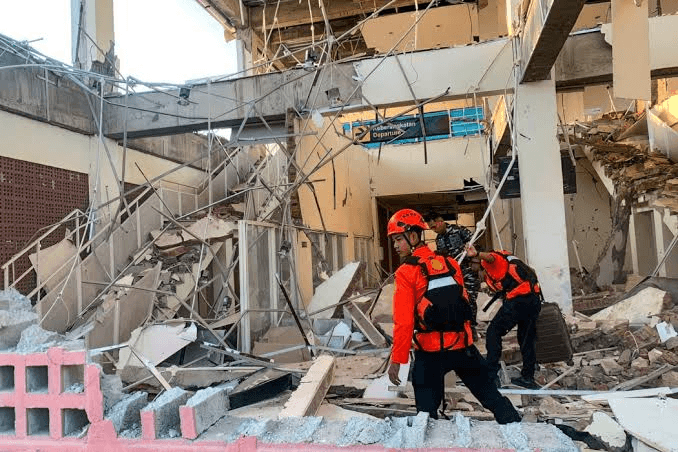
Beyond diplomacy and legal definitions, the human cost is immense. Communities are displaced, homes and churches destroyed, and clergy assassinated.
“Criminal groups use religious ideology to justify violence, creating a cycle where economic motives and religious persecution reinforce each other,” Ms. Ethridge said.
The senior counsel for global religious freedom at ADF International, Sean Nelson, pointed out that while “terrorists attack Muslims who resist extremism, the targeting of Christians is deliberate and brutal, especially in the Middle Belt.”
“Nigeria’s insecurity is not limited to religious persecution, but persecution is a major and devastating element, and I have witnessed that devastation myself: beheaded pastors, burnt churches, widows and orphans, mass graves, tortured and imprisoned Christians,” he tells the Sun.
Mr. Nelson concurred that the CPC designation is pivotal in propelling the Nigerian government to act.
“A Country of Particular Concern designation shows that the U.S. will never tolerate such severe religious persecution,” he said. “It puts pressure on Nigeria to allocate resources to counter Fulani militants, prosecute attackers, respond to early warnings, return IDPs, and repeal or halt draconian blasphemy laws.”
What decisions Washington makes next, experts say, truly is a matter of life and death.
“This is the largest killing field for Christians in the world today,” Ms. Shea said.