Trump’s New H-1B Visa Fees Will Impact Indian Technology Workers and Companies
Social media platforms have seen an uptick in discriminatory posts, often linked to the work visa, toward Indian nationals.
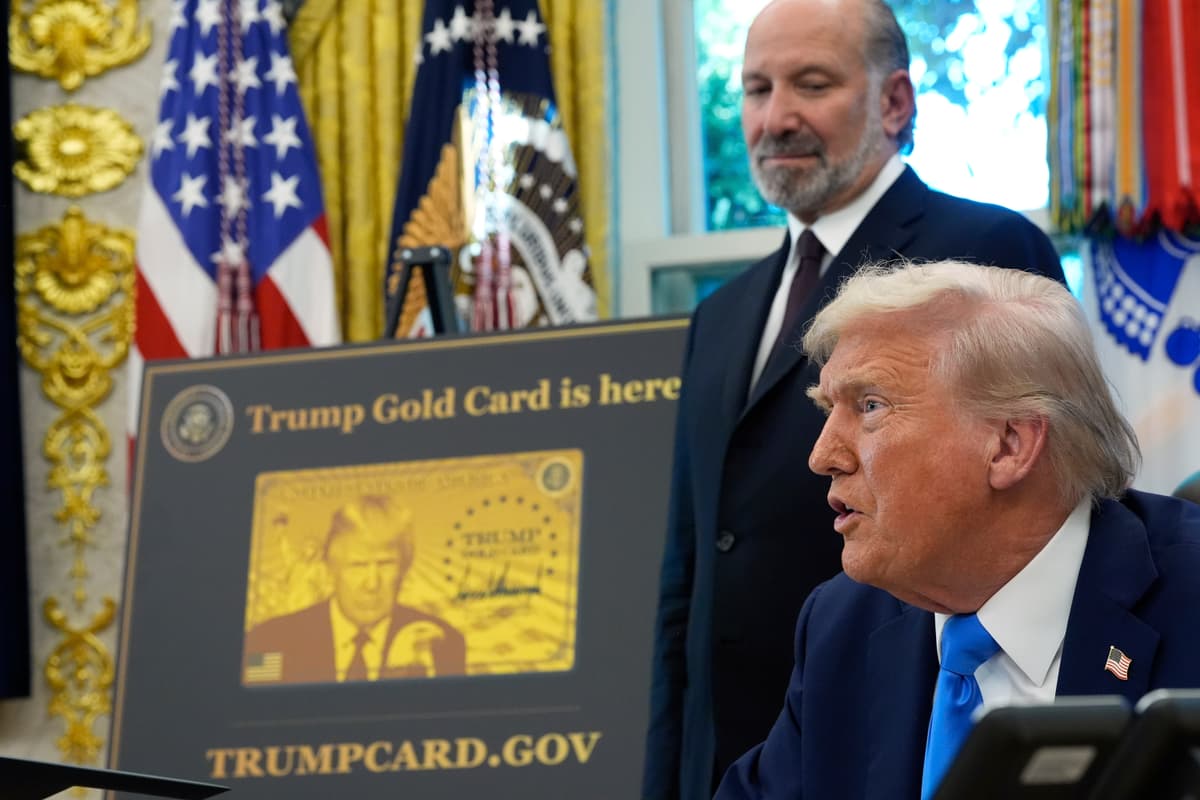

India’s information technology sector will feel the sting from the Trump administration’s new $100,000 fee on new H1-B visa applications that took effect on Sunday.
With more than 70 percent of all H-1B visa holders in America being of Indian origin, the recent proclamation to increase visa fees could leave uncertainty for the American work sector, with analysts suggesting that IT firms will alter staffing strategies as a result.
If the visa fees are implemented, “it will increase the cost of doing business for IT services companies and end-clients in the US, impacting margins for IT services companies,” according to a note released by Citi Research, reports CNBC.
Investors are already shedding shares of India-based IT outsourcing firms such as Infosys, Wipro, and Mphasis.
The stock market movements suggest that investors anticipate a significant increase in cost for hiring H-1B visa workers.
In another investor note, an ICICI Securities analyst, Ruchi Mukija, said that the higher visa fee would cut profit margins by about 100 basis points and reduce earnings per share by roughly 6 percent for Indian IT companies if they “employ new people on H-1B visas.”
Many IT firms have already been altering their staffing strategies by sending workers to “near-shore” centers like Mexico and Canada and substituting H-1B candidates with U.S. citizens.
“Over the years, we have been steadily reducing our reliance on visas through increased local hiring, acquisitions, and partnerships,” Mphasis officials said in a statement to investors on Monday. “We are fully staffed for all existing client requirements and will operate in a business-as-usual mode.”
The new visa fees are just the latest salvo against India by the Trump administration which has placed increasing tariffs on Indian goods, initially at 25 percent and eventually doubling to 50 percent. The moves were partly to pressure India over its oil trade with Russia and to try to get Moscow to stop the Ukraine war. India has taken this as heavy-handed interference in its foreign policy, especially since it depends on Russian oil imports.
At the same time, the administration also favored Pakistan by giving it lower tariff rates and looking into shared oil projects, which further upset India.
There has also been a rising trend of tech nationalism within the American government that limits technology sharing with foreign partners like India, hurting economic cooperation, according to a report from the Carnegie Endowment for International Peace.
The White House’s increased scrutiny on India has reportedly led to more hostility towards Indian nationals in America. Social media platforms like TikTok, Instagram, and X have seen an uptick in discriminatory posts, often linked the H1-B visa.
Data from the AAPI Equity Alliance’s Stop AAPI Hate Report shows that more than three-quarters of anti-Asian hate speech was directed at South Asians during December 2024 and January 2025.
Moonshot, an organization focused on combating online extremism, documented more than 44,000 anti-South Asian slurs in extremist digital forums over a two-month period in May and June of this year.