War on Drugs Rises in Trump’s Agenda
The administration is gearing up to widen the campaign into Mexico.
So far President Trump’s regional drug wars zero in on Venezuelan boats in the Caribbean. Will he now go after the most threatening narcotic exporters, the traffickers based south of the border? “Mexico has been very bad to us in terms of drugs,” the president told “60 Minutes” in an interview aired Sunday. Now Washington is leaking plans for a new mission to send American troops and intelligence officers into Mexico to target drug cartels.
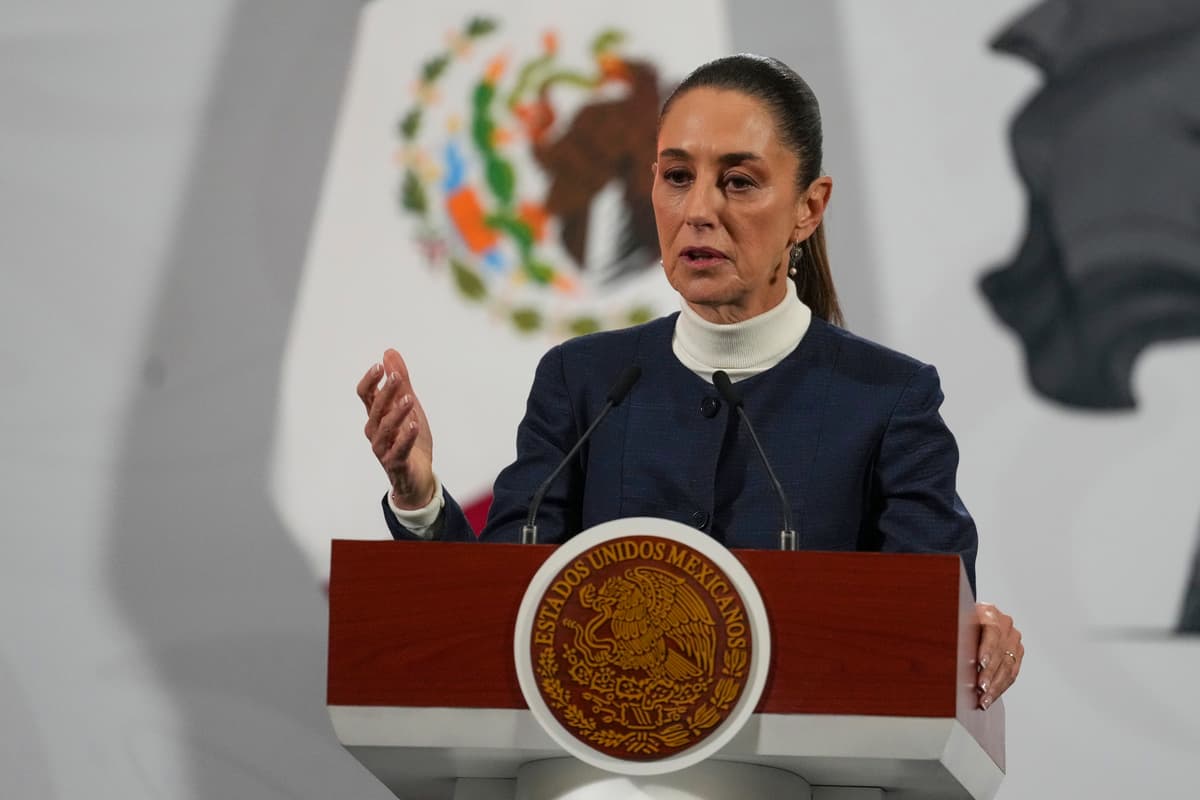
Early training for clandestine ground and air operations inside Mexico’s territory are underway, NBC reports Monday. Authorized by Title 50 of the United States Code, deployment, if any, is not expected until a few months from now. While President Nicolás Maduro of Venezuela, who depends on drug gangs for his hold on power, is fair game for assault, American action in Mexico will necessitate coordination with President Claudia Sheinbaum.
Debate over the Mexican president’s anti-cartel strategy was sharpened over the weekend, when a prominent critic, Mayor Carlos Manzo of Urapan, was shot dead by gunmen during a parade at his city in the western Mexico state of Michoacán. The brazen assassination on the dia de los muertos, or day of the dead, shocked Mexicans and highlighted the mayor’s critique of the government’s methods, or lack thereof.
Ms. Sheinbaum’s approach is a slight improvement over her predecessor and mentor, Andrés Manuel López Obrador, whose “hugs, no bullets” strategy allowed the cartels to thrive. The current president says she is using intelligence and the courts to confront criminals. Yet she minimizes firepower, to avoid the mass casualties of past drug wars. Manzo, in contrast, was nicknamed “Mexico’s Buekele,” after El Salvador’s crime crusading president.
“If someone is opening fire on the civilian population, we are going to take them down,” Manzo said recently, the Times reports. He would defend such killing in court, he said. He urged Ms. Sheinbaum, of his Morena party, to be more aggressive in ending extortion of farmers in Michoacan, where many of the avocados Americans consume are grown. If cartel members are arrested without fire power, Manzo added, he’d admit error and resign.
Manzo’s death is reigniting calls for more muscle to end the cartel’s stranglehold over Mexico. Yet Ms. Sheinbaum would struggle politically to call the Yanqui cavalry to the rescue. Mr. Trump is far from the darling of the country south of the border. At the same time, vast areas there are at the mercy and under the control of criminals. Endless bloodbaths in their gangland rule is sickening to Mexicans.
Mr. Trump’s military action against Venezuela is partially justified by the fight against drugs that kill Americans. Mr. Maduro and his cohorts are indeed involved in narcotics, but their main source of income is derived from trafficking cocaine. Fentanyl, which is responsible for most drug-related deaths in America, is a synthetic opiate made from Communist Chinese precursors that are fabricated by Mexican cartels, which also export it to el norte.
Mr. Trump’s brother, Fred Jr., died at the age of 42 in 1981 of alcohol addiction-related causes. The drug war seems personal to the president. Plus, too, his top foreign policy adviser, Secretary Marco Rubio, has long championed muscular American involvement in the hemisphere. Fighting hostile crime enterprises that thrive on narcotics revenues seems to rise on the administration’s agenda. The neighbors are paying attention.