What Critics Miss About the Pardon Power

The Framers designed the presidential prerogative to be ‘unfettered’ — and unembarrassed.
Paolo Bruno/Getty Images
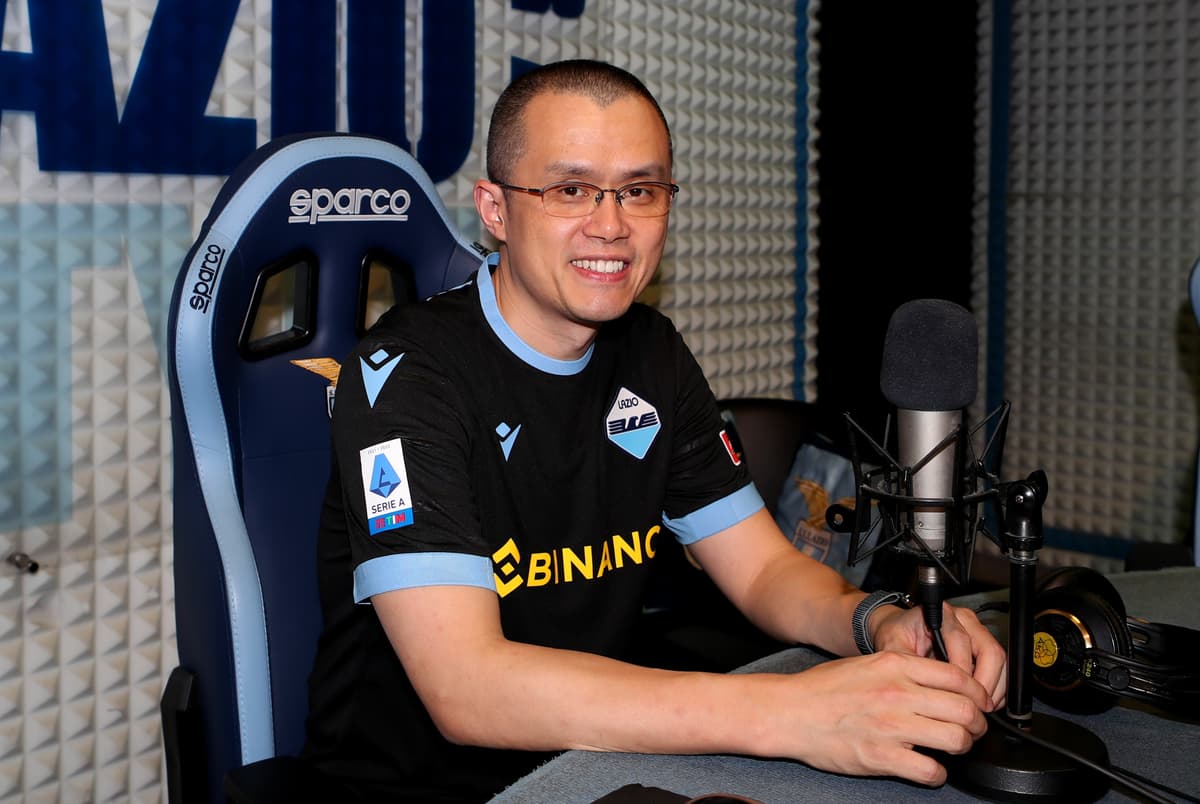
Binance's chief executive, Changpeng Zhao, on May 12, 2022 at Rome. Paolo Bruno/Getty Images

President Trump is facing skepticism in the press over his claim that he has no recollection of the cryptocurrency mogul, Changpeng Zhao, who was just pardoned by the commander in chief. “I don’t know who he is,” Mr. Trump said on “60 Minutes.” The ink-stained scolds were quick to contrast this nonchalance with the push in the House to probe President Biden’s use of the autopen to sign pardons. Yet both presidents are well within the Constitution.

That’s how it looks to us — now matter how fervently CNN points out that Mr. Trump had criticized his predecessor’s pardons. “I would say that they’re null and void, because I’m sure Biden didn’t have any idea that it was taking place,” Mr. Trump said in March. The 47th president added on Truth Social: “In other words, Joe Biden did not sign them but, more importantly, he did not know anything about them.”

CNN seems to relish the apparent hypocrisy. It reports that “nearly eight months” later, Mr. Trump “seems to be making a similar argument about himself.” Speaker Mike Johnson today dodged questions in the press on the discrepancy, disavowing any knowledge of Mr. Trump’s remarks. There’s no need to be so dainty, though. The pardon granted to the president is one of the most unfettered powers granted in the Constitution.

In other words, the kvetching about Mr. Trump’s or Mr. Biden’s pardons, whether from Hill Republicans or the members of the working press, is unlikely to ensnare either president in any legal trouble. That reflects the Founders’ intention toward the pardon power. They “expected it to be exercised solely by the president, without embarrassment or hesitation, and with an abundance of the spirit of mercy,” these columns have noted.

We know this because of 74 Federalist. “Humanity and good policy conspire to dictate,” Hamilton wrote, “that the benign prerogative of pardoning should be as little as possible fettered or embarrassed.” He reckoned that “the criminal code of every country partakes so much of necessary severity, that without an easy access to exceptions in favor of unfortunate guilt, justice would wear a countenance too sanguinary and cruel.” 

Rather than limiting the president’s authority on this head by, say, subjecting it to legislative or judicial oversight, Hamilton touted the virtue of consolidating the pardon power in one person. “As the sense of responsibility is always strongest, in proportion as it is undivided, it may be inferred that a single man would be most ready to attend to the force of those motives which might plead for a mitigation of the rigor of the law,” Hamilton averred.  

The broad scope of the pardon power has been marked, too, by the Supreme Court. In Ex Parte Garland, the Nine noted the authority “is unlimited,” aside from impeachments. Nor, the high court held, can Congress “limit the effect” of a pardon by the president. “General and unqualified” is how Justice Joseph Story had earlier described the scope of the president’s power, “reaching from the highest to the lowest offenses.” 

Which brings us back to Mr. Trump. On “60 Minutes” he was asked about “the appearance of pay for play” in his pardon of Mr. Zhao. “I know nothing about the guy, other than I hear he was a victim of weaponization by government,” Mr. Trump said. Hamilton, one can imagine, would approve. And if he didn’t, let us just say that the chances are that the rest of the Founders would no doubt — how shall we put it? — forgive him.


The New York Sun

© 2025 The New York Sun Company, LLC. All rights reserved.

Use of this site constitutes acceptance of our Terms of Use and Privacy Policy. The material on this site is protected by copyright law and may not be reproduced, distributed, transmitted, cached or otherwise used.

The New York Sun

Sign in or  create a free account

or
By continuing you agree to our Privacy Policy and Terms of Use