Whither Fani Willis’s RICO Case Against Trump?
A new lawyer will decide if Georgia pursues its racketeering charges against the 47th president.
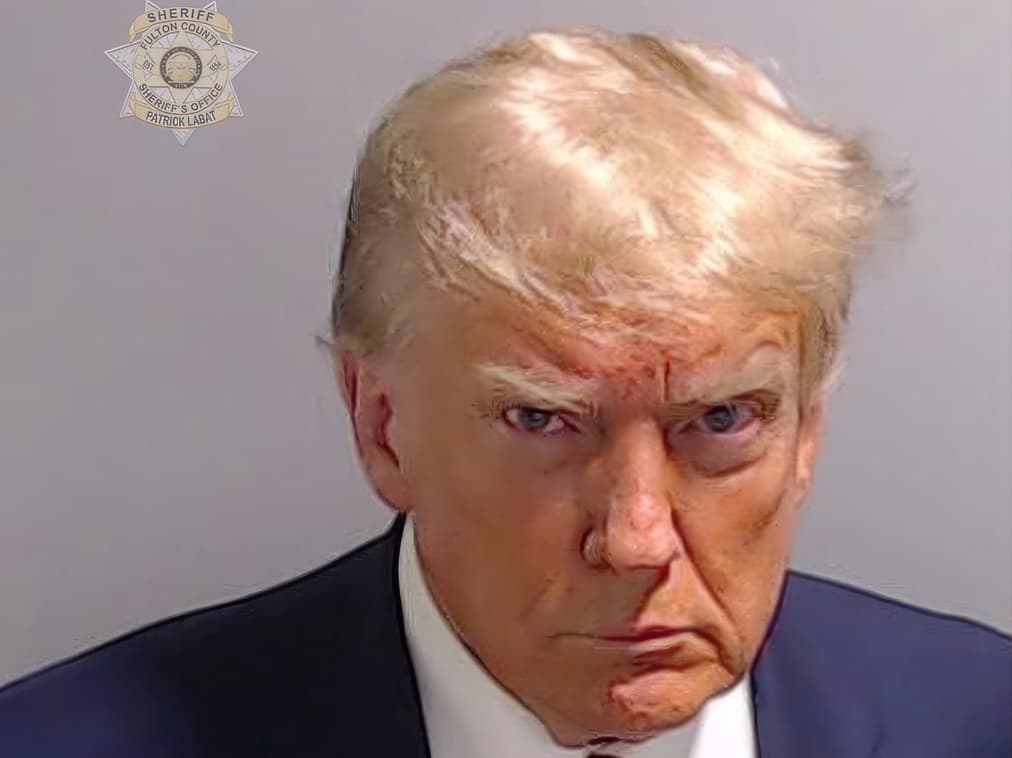
The appointment of a new prosecutor in the criminal racketeering case against President Trump in Georgia strikes us as a moment to consider the constitutional stakes at play in the state prosecution of a president. The case brought by the district attorney of Fulton County, Fani Willis, will now go to Peter Skandalakis, who was assigned by Georgia law to find a new prosecutor and, not finding someone who wanted the job, appointed himself.
If Mr. Skandalakis had not stepped forward, the case would have lapsed. Now it is up to him to decide whether to push on or consign it to history’s dustbin. Our view is that the latter is the correct course — not only because of the “significant appearance of impropriety” generated by Ms. Willis’s affair with her handpicked special prosecutor, Nathan Wade. The prosecution of a president by a state itself strikes us as unconstitutional.
That interdiction is the view of, among others, the Department of Justice, which has on multiple occasions taken the position that a sitting president enjoys absolute immunity from prosecution. That shield, the federal government’s law department reckons, is “categorical.” It stopped Special Counsel Jack Smith’s prosecutions in their tracks the moment Mr. Trump bested Vice President Kamala Harris to regain the White House.
While the DOJ’s policy against prosecuting sitting presidents applies only to federal cases, its logic reaches state prosecutions as well. The president is charged to “take care that the laws be faithfully executed.” The DOJ contends that the “criminal prosecution of a sitting President would unconstitutionally undermine the capacity of the executive branch to perform its constitutionally assigned functions.”
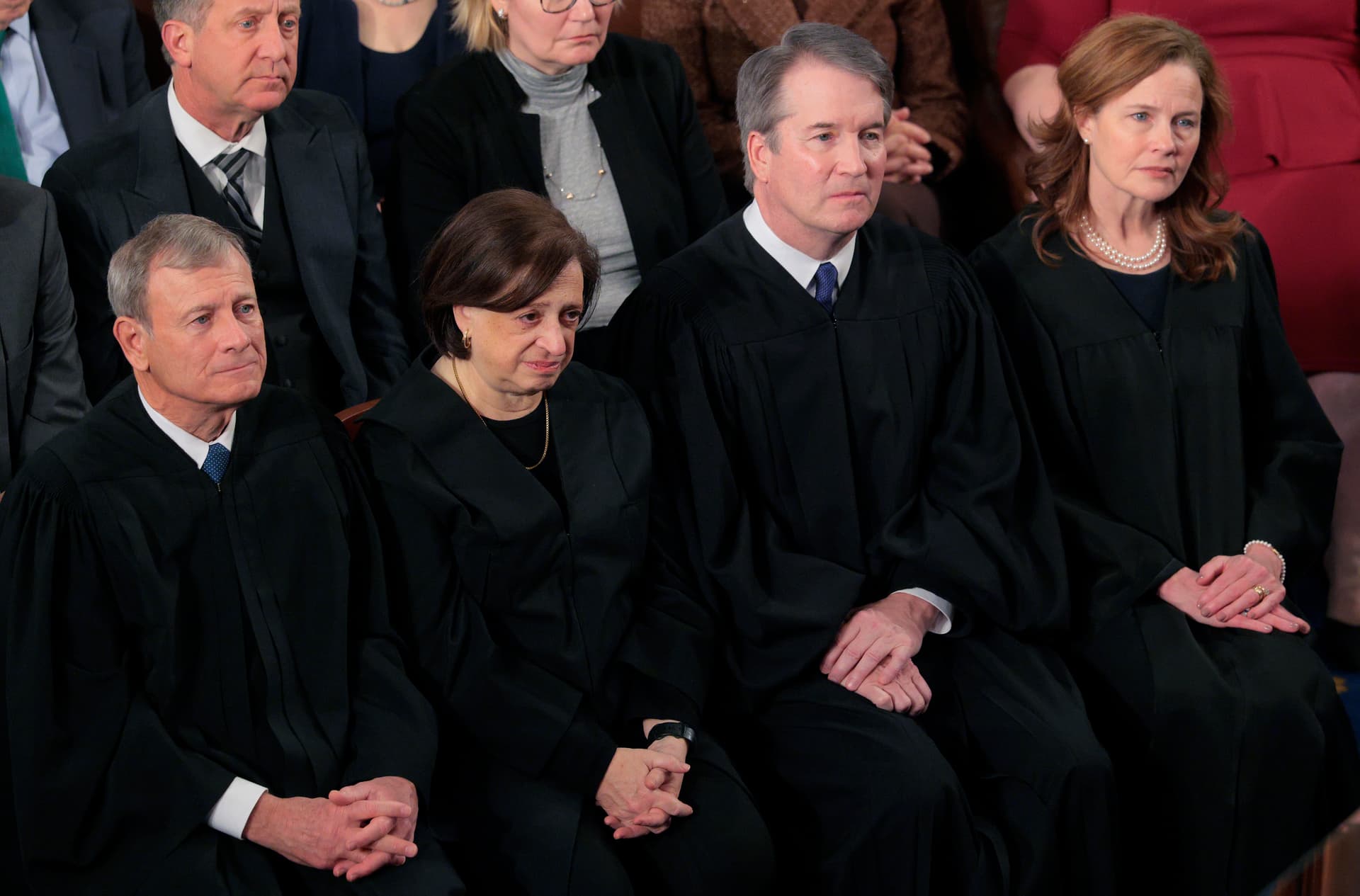
That reasoning also persuaded the Supreme Court, in Trump v. United States, to rule that official presidential acts are presumptively immune while unofficial ones are unprotected. Chief Justice Roberts’s majority opinion found that the Constitution even “requires that a former President have some immunity from criminal prosecution for official acts during his tenure in office.” That immunity is “absolute” for core responsibilities.
The chief writes that “the President is not above the law. But under our system of separated powers, the President may not be prosecuted for exercising his core constitutional powers.” Ms. Willis’s racketeering case centers on the activity of Mr. Trump and his camarilla in Georgia after the 2020 election — when he was still serving as America’s 45th president. If the case ever gets to trial, Mr. Skandalakis will bear the burden of surmounting immunity.
Our objections to Ms. Willis’s prosecution was not limited to our respect for the office of the president. We were also wary of her reliance on Georgia’s racketeering law, which resembles its federal RICO inspiration but if anything is even more favorable to prosecutors. We have written that racketeering’s “stretch to novel circumstances appears to bring heartbreak for prosecutors and overcharging for defendants.” It is a prescription for abuse.
Mr. Skandalakis tells a Georgia court that he stepped into the breach because of his “inability to secure another conflict prosecutor to assume responsibility for this case. Several prosecutors were contacted and … each declined the appointment.” Perhaps that was a sign that the better part of valor here would be to dismiss. Call it a Fulton County farewell to a case that should never have been brought.