
Who Are Those Masked Men?
Democrats take exception to agents of ICE going incognito.
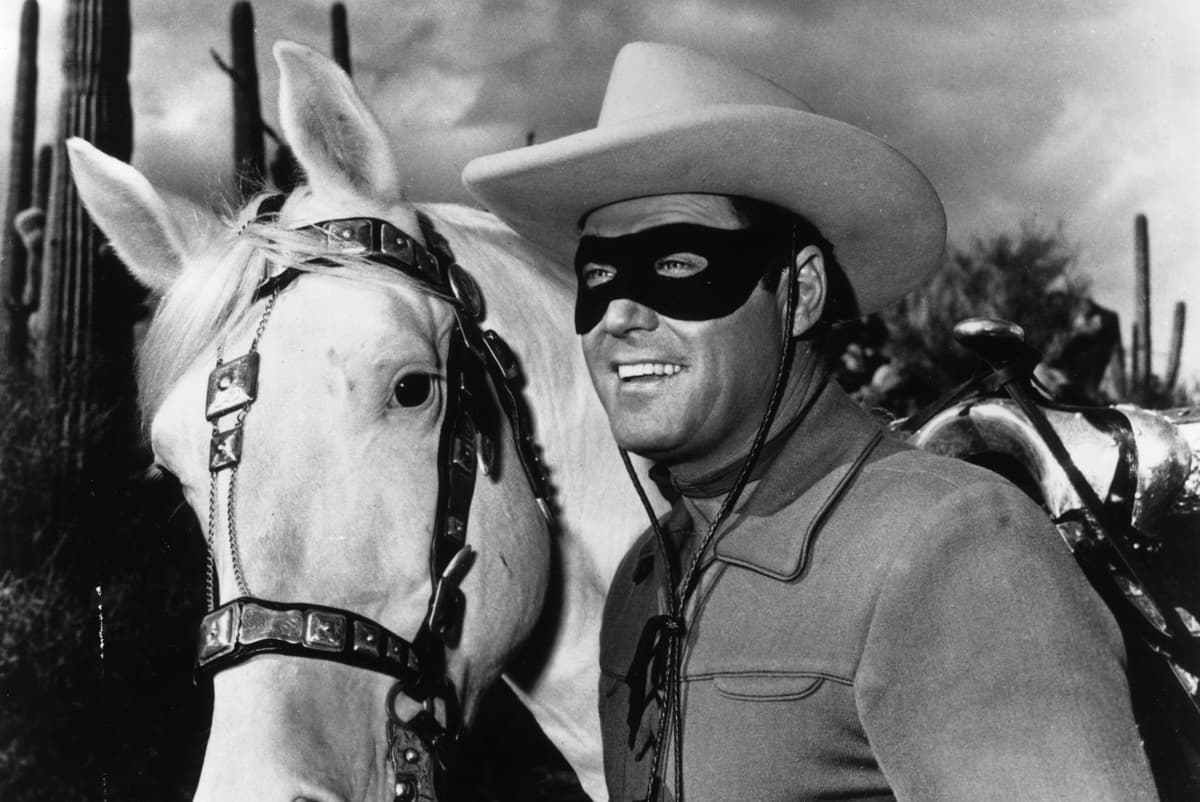
Not since the Lone Ranger have questions of masks and law enforcement so bedeviled the citizenry. Senate Democrats are grousing that the use of face masks by agents of Immigration and Customs Enforcement is a breach of “historical norms and traditions.” The solons propose making the masks illegal. Meanwhile, Long Island’s Nassau County amended its anti-mask law to allow its officers to stay incognito when aiding ICE.
With ICE, thanks to a budget boost of some $20 billion, preparing to add some 10,000 agents, the questions over the propriety of masked law enforcement agents are likely to grow. Lawmakers in liberal states, like New York and California, are eying legislation to require ICE agents to show their faces. Yet a homeland security spokeswoman, Tricia McLaughlin, says the masks are needed to preserve the safety of the federal agents.
“The men and women of ICE put their lives on the line every day to arrest violent criminal illegal aliens to protect and defend the lives of American citizens,” Ms. McLaughlin told the Times. She avers that the anti-mask “rhetoric is contributing to the surge in assaults of ICE officers.” Homeland security points to a “nearly 700 percent increase in assaults against” agents, aided in part by the use of “doxxing websites that attempt to reveal ICE officers’ identity.”
Yet not so long ago, some liberals were irate when police officers declined to wear masks. During the Covid pandemic, an attorney with New York’s Legal Aid Society, Jennvine Wong, complained to the New Republic that “there were cops walking around outside of her Brooklyn apartment who weren’t wearing masks.” This was at a time when masks, even worn outdoors, were seen by some, with limited scientific justification, as a way to stop the virus’s spread.
Wearing a mask, at that time, served as a kind of virtue-signaling for some, and a symptom of conformity for others. Further muddying the waters, in New York, at least, was a state anti-mask law dating to 1845 that aimed to “prevent persons appearing disguised and armed.” That law originated during an era when “tenant farmers” in a rent dispute took to wearing masks “to attack law enforcement officers,” a panel of riders on the Second Circuit explained in 2004.
The Second Circuit was hearing a case involving the Ku Klux Klan’s purported right to sport face coverings while marching. The panel, including a future Supreme Court justice, Sonia Sotomayor, along with Judges Jose Cabranes and Dennis Jacobs, upheld the anti-mask law. The riders found that the First Amendment’s “right of anonymous speech does not embrace a right to conceal one’s appearance in a public demonstration,” as the ACLU put it.
What, then, of ICE agents’ desire to remain anonymous as they go about their work? In the Atlantic, a former NYPD officer, Brandon del Pozo, calls this tactic “scary” and “a grave mistake.” He reckons that “in keeping with the values of the local police, the federal government should prohibit the wearing of masks by its officers and require them to properly identify themselves.” He calls those “the minimal requirements of policing a free state.”
Can the Constitution shed light on this masquerade? There’s a long tradition of transparency on the part of the authorities in legal affairs. The Sixth Amendment, say, guarantees the “accused” the right to a “public trial,” and “to be confronted with the witnesses against him.” Those rights underscore the value the Framers placed on ensuring that the state’s power to enforce the law was conducted in the open. Judges are not masked, even if executioners have been and Justice Herself is blindfolded.
Even so, caution seems to be warranted, for now, in the attempts by Democrats to overrule the judgment of ICE agents who see masks as necessary for their safety, even if it would be unwise for police to adopt concealment as a standard practice. The Lone Ranger was fictional, but his mask hid his identity as the sole survivor of a unit of Texas Rangers ambushed by outlaws. Pursuing villains of all stripes, he left admirers to wonder: “Who was that masked man?”