Will Congress Step Up on Mail-In Voting?
President Trump’s concerns deserve an airing, though reform of voting rules is a job for Congress and the states.
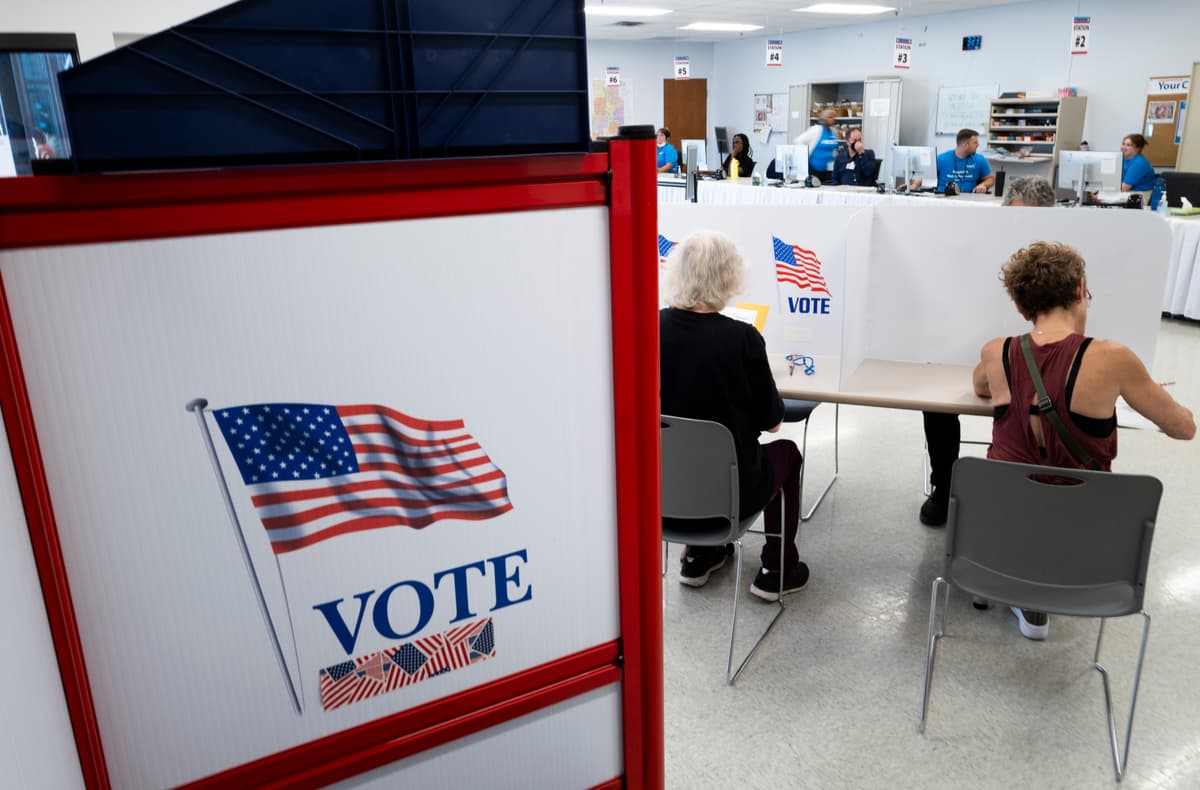

President Trump’s renewed scrutiny of mail-in voting spotlights concerns over the use of the postal service as a means to conduct elections. Chief among these worries is a higher risk of fraud. Yet something is lost, too, when a rite of democracy like in-person voting on Election Day is diluted by the rising use of mail-in or absentee ballots. Mr. Trump’s concerns deserve an airing, though reform of voting rules is a job for Congress and the states.
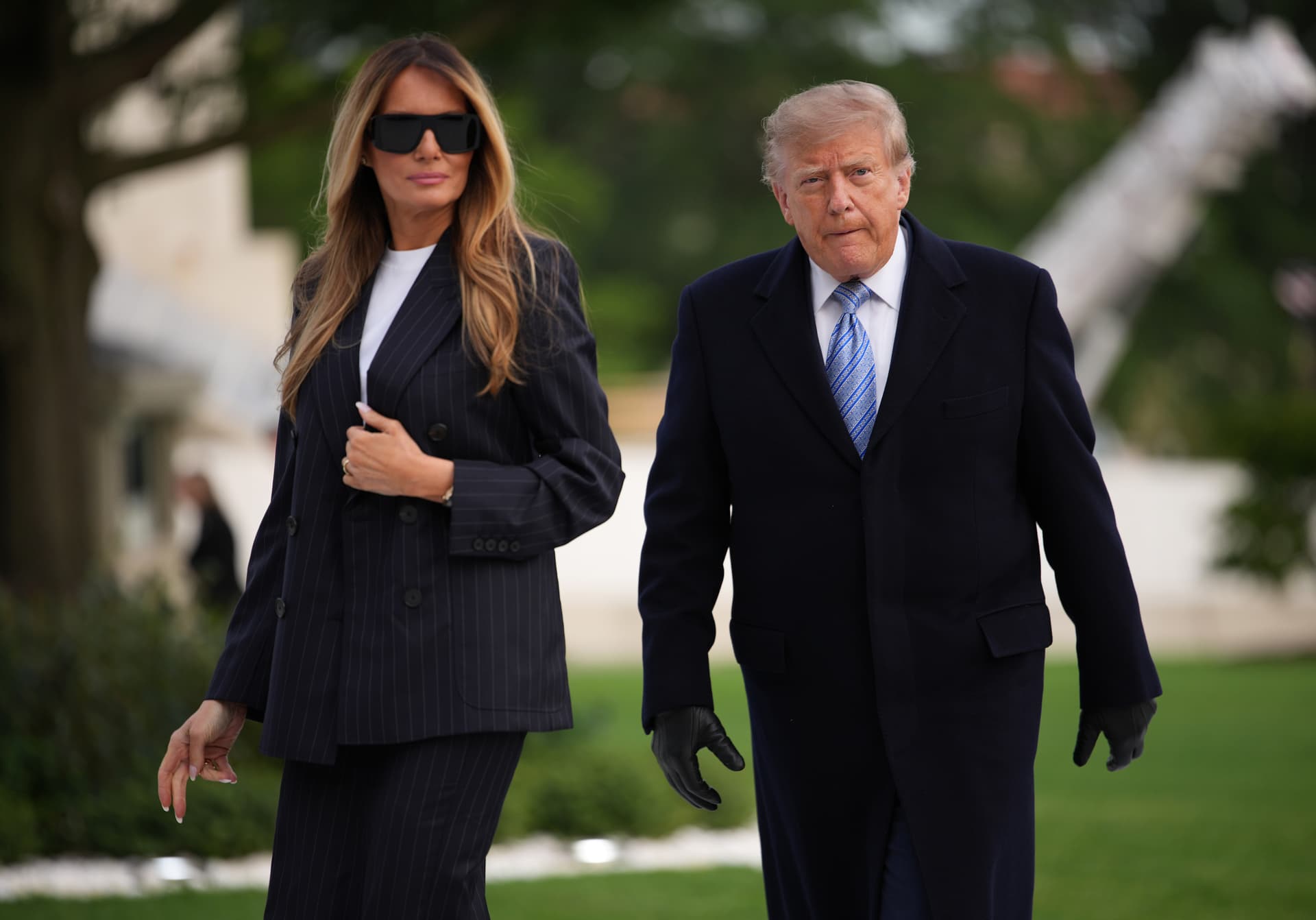
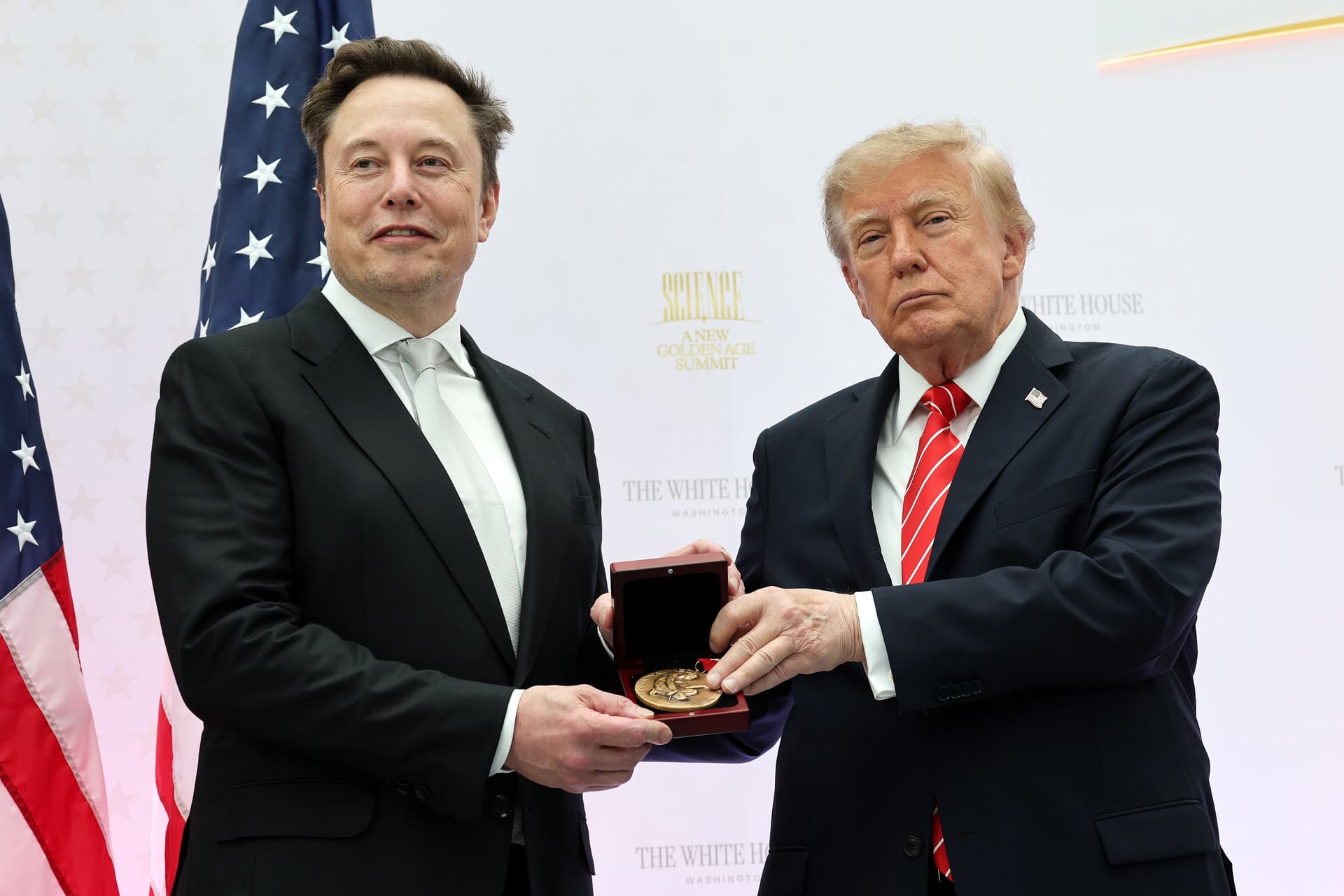
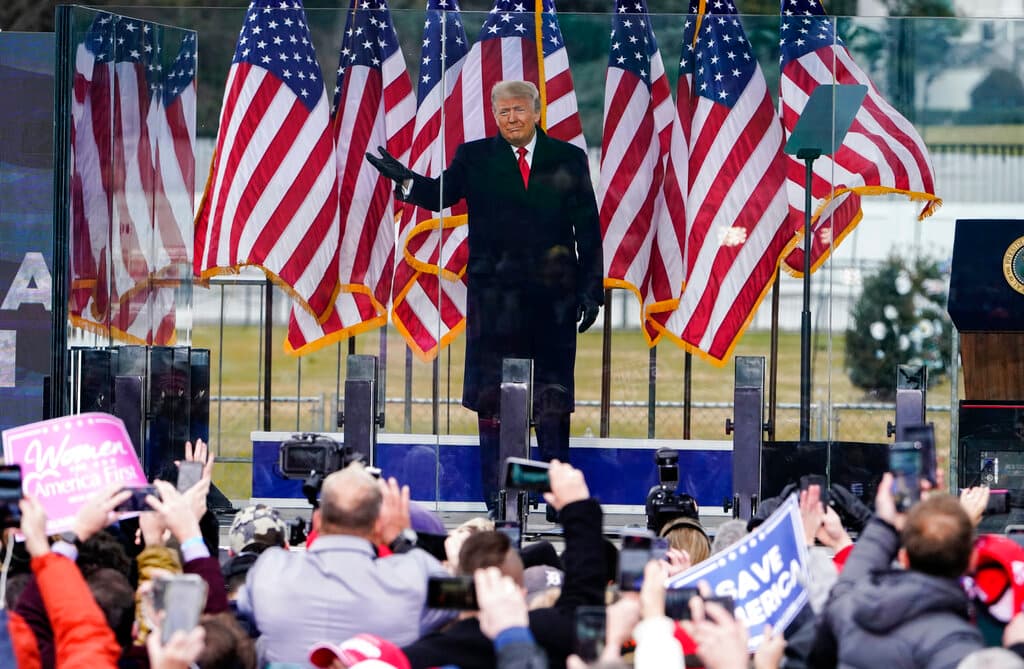
“I am going to lead a movement to get rid of MAIL-IN BALLOTS,” Mr. Trump says today on his Truth Social platform, pointing to fears of “MASSIVE VOTER FRAUD” associated with postal voting. To be sure, Mr. Trump and others have raised questions about, say, the results of the 2020 election, which saw a widened use of mailed ballots, even if little in the way of hard evidence has emerged to show that the election was stolen.
Yet it’s hard to justify procedures like mailing unsolicited ballots to all voters in a state — the policy in 2020 by eight states, including competitive jurisdictions like Colorado and Nevada. How, after all, can one be sure that returned ballots were sent in by the intended voters, and that ballots were cast in secret? Postal voting also raises concerns about “ballot harvesting,” where activists are encouraged to collect the votes of supporters of one party or another.
Some 46 percent of votes in 2020 were cast by mail. Yet while wider mail-in voting could have been defended as a temporary measure during the pandemic, the left appears to be increasingly skeptical of the tradition of casting ballots in person on Election Day. Instead, efforts to promote more postal, absentee, and early voting are emerging, these columns have cautioned, “as a kind of complement to the Democratic Party’s aggressive get out the vote tactics.”
The Democrats, we added, “have turned voting into a kind of multi-week extended symposium,” rather than the kind of civic event that used to be limited to Election Day. Voters, after all, used to need to provide a valid excuse even to receive an absentee ballot. Now, many states encourage the practice with no questions asked. Never mind that, in New York, we’ve marked, “the expectation of in-person voting is embedded in the Constitution.”
The Empire Center’s Cam Macdonald has pointed out, too, that today’s laxity allowing voters to avoid the polling-place and mail in their ballots is “a substantial departure from the history of New Yorkers promoting election integrity,” as well as a long tradition of “taking incremental approaches to making exceptions to in-person voting.” From the state’s founding in 1777, he adds, New York “has promoted in-person voting by secret ballot.”
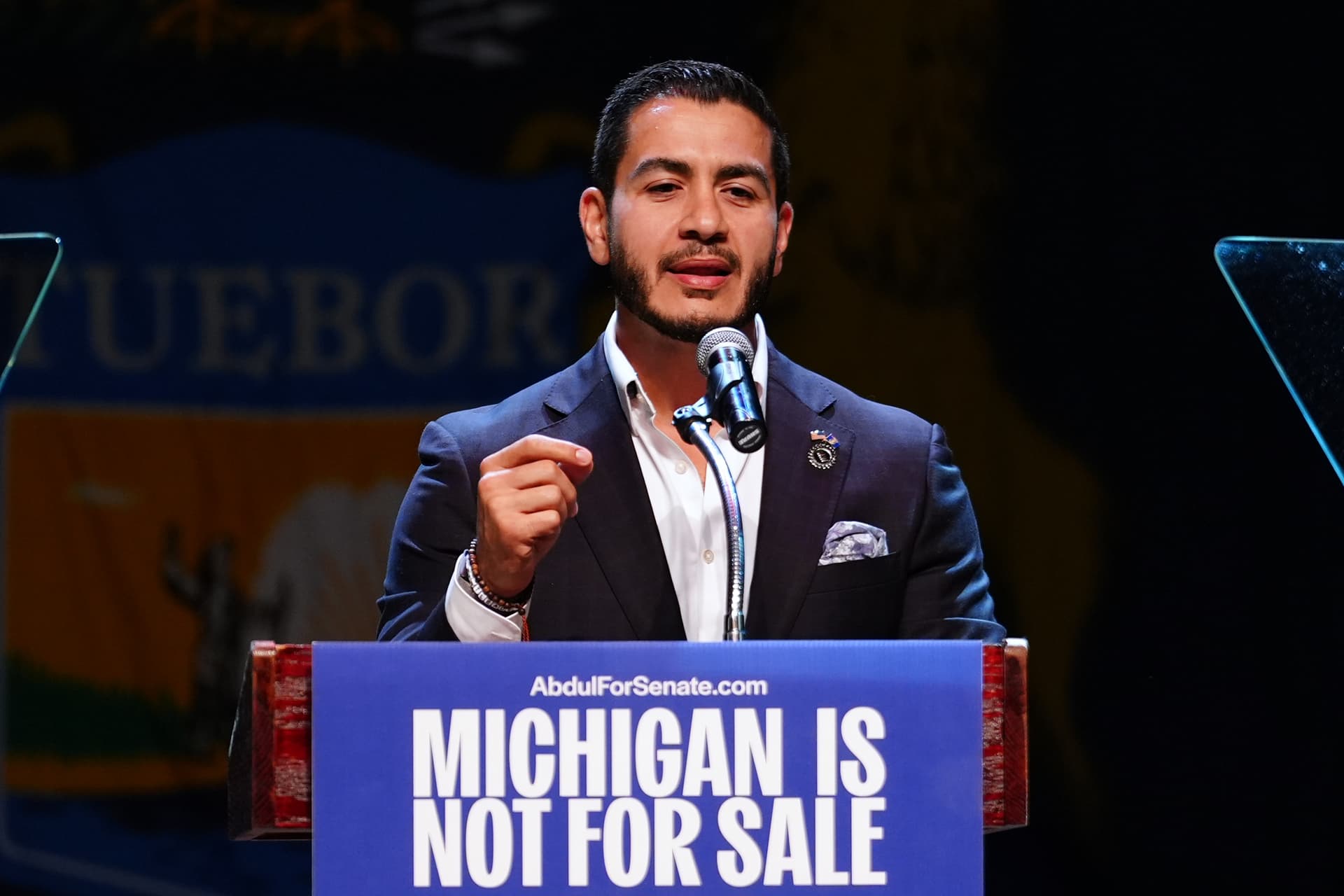
The broader use of mailed-in ballots is yielding its share of legal problems, too. A city councilman at Hamtramck, Michigan, Abu Masa, faces questions after he was just caught on camera stuffing absentee ballots into a drop box in a primary race earlier this month. Mr. Masa has not been charged, but two other council members at Hamtramck face fraud accusations, including claims of “forging absentee ballot applications,” WXYZ Detroit reports.
At Bridgeport, Connecticut, the city’s Democratic mayoral primary in 2023 was overturned amid reports of absentee ballot fraud, sparking a widening investigation. In July, four people were arrested in the probe, and seven others, including Democratic officials, face charges of election crimes, “including mishandling absentee ballots,” Connecticut Mirror reports. One imagines such incidents giving even fervent vote-by-mail activists pause.
Mr. Trump pledges “an EXECUTIVE ORDER to help bring HONESTY to the 2026 Midterm Elections.” Yet he has little power to act unilaterally. Under the Constitution, voting is largely the province of the states, except for elections to the House and Senate, the regulations for which the Congress “may at any time by Law make or alter,” per Article I, Section 4. It would not be surprising were Congress to decide to take a closer look at mail-in voting.