A Character Study of a Family, ‘A Little Prayer’ Is Like Real Life
Director Angus MacLachlan’s film is an observational drama that is rare in its intimacy and understanding of human nature.
After watching Angus MacLachlan’s “A Little Prayer,” I sat down to write about the film and began rifling through the accompanying press notes. While trying to ensure the correct spelling of each participant’s name and gathering sundry biographical details, I did a double-take upon reaching a page titled “‘Words We Use’ Language Guide,” a document provided by the Center for Reproductive Rights. It warns about the “weaponization” of certain phrases, and how fact-based, “objective and inclusive language” should be employed when discussing abortion.
A movie review isn’t the time or place to moot the finer points of this disquisition, but the “Words We Use” addendum does put one in mind of how ideological partisanship can not only slant a work of art but narrow its aesthetic compass. “A Little Prayer” does involve a woman’s right to choose — a phrase absent from the “Language Guide,” I’ll note — but it encompasses a gamut of concerns, not least the psychological aftermath of wars on the soldiers who fought in them and the devastating role that addiction plays in the body politic.
Even saying this much colors Mr. MacLachlan’s picture in a strident manner, for what he’s given us is a character study of a family, an observational drama that is rare in its intimacy and understanding of human nature. “In retrospect …, I was writing about parenting adult children,” Mr. MacLachlan notes. “How you still want to protect them and tell them what to do, and you can’t.” What is remarkable about both his direction and screenplay is their invisibility: The tenets of drama subsume the craft by which they were shaped. “A Little Prayer” is like real life.
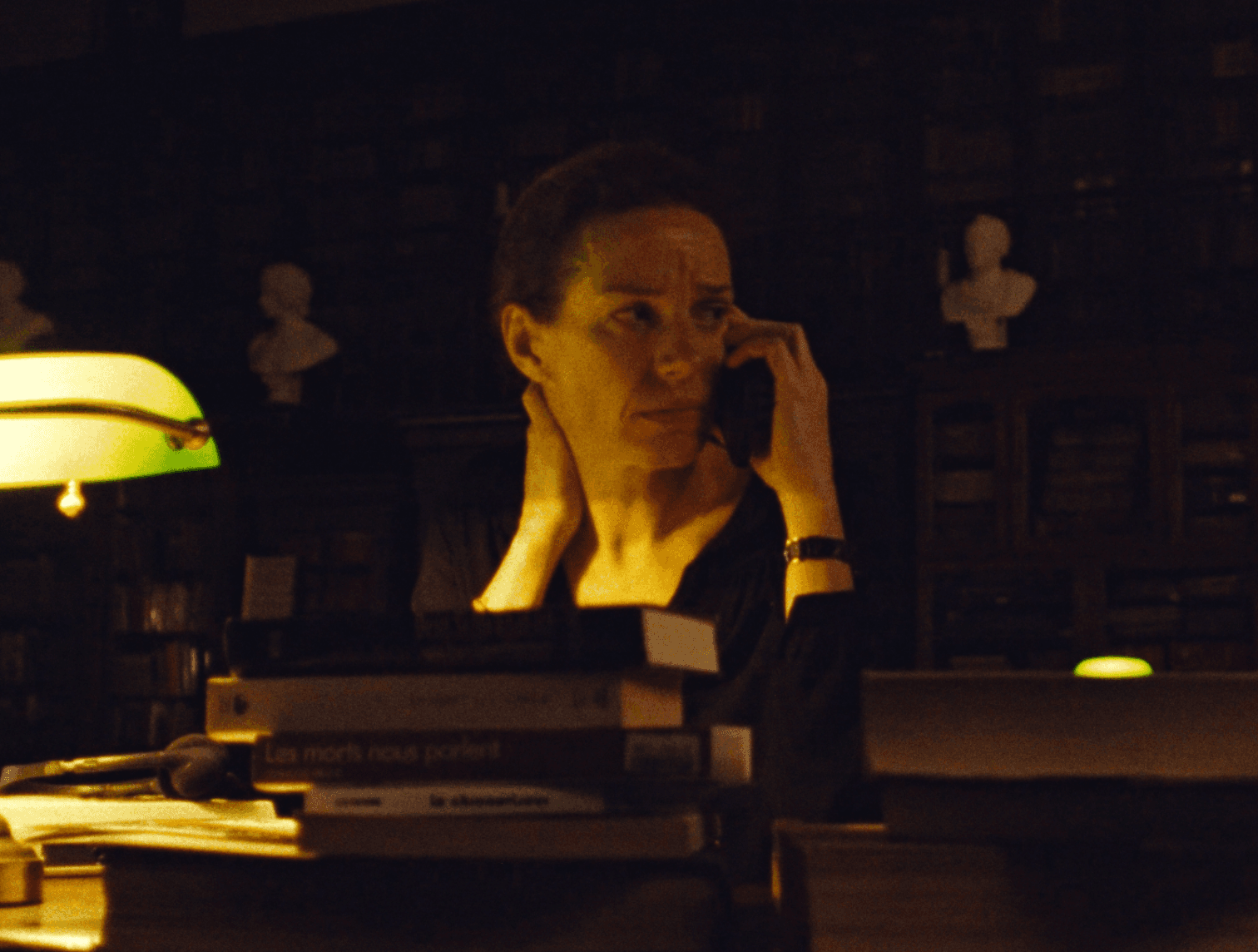
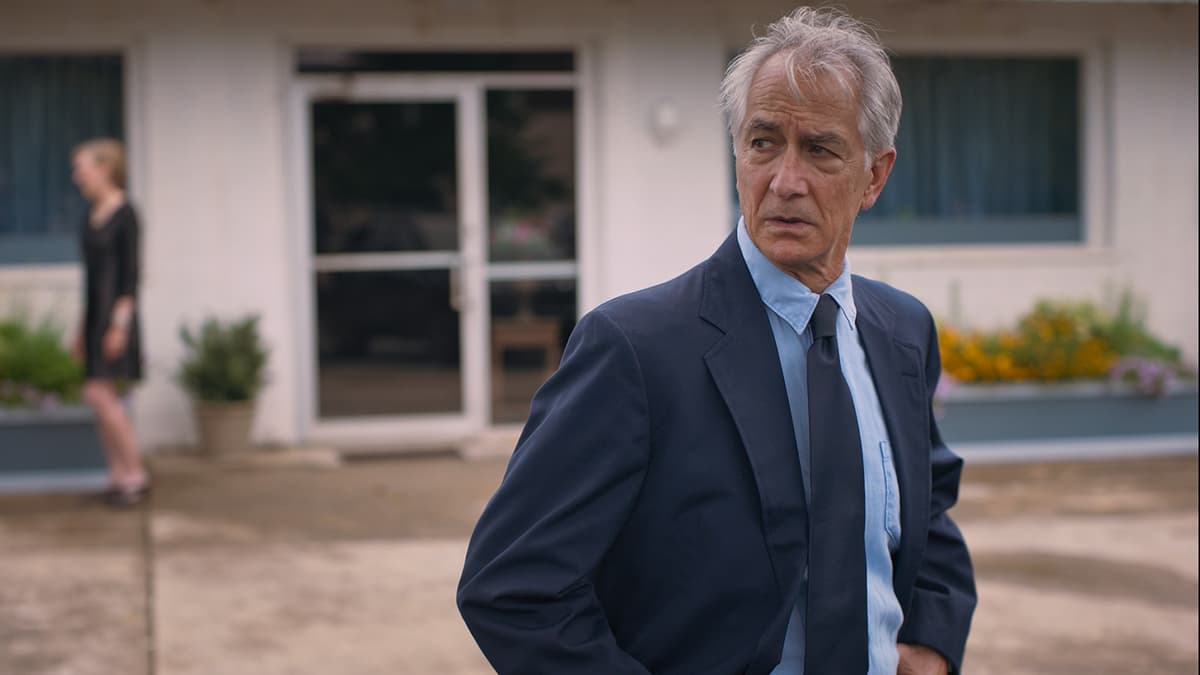
Mr. MacLachlan is aided by a cast whose range is nuanced and unassuming. David Strathairn is Bill, a resolute family man, Vietnam vet, and businessman who runs a steel mill at Winston-Salem, North Carolina. His wife Venida (Celia Weston) used to oversee the factory’s books and now volunteers, in period costume, at a local historical site. The business continues as a family concern as their son, David (Will Pullen), is ensconced in a managerial role, second-in-command to Bill.

David and his wife Tammy (Jane Levy) live out back of his parent’s home in a small garden house that has been retrofitted for the young couple. Family is paramount to Bill and Venida, but that’s not to say its dynamics are without the requisite bumps. This proves especially true when their daughter Patti (Anna Camp) and granddaughter Hadley (Billie Roy) descend on the premises, belongings in tow. This isn’t the first time the brash and needy Patti has moved back in with mom and dad. Bill and Venida know the routine: They’re resigned to old patterns.
It’s the new patterns that prove vexing, particularly for Bill. He is particularly unmoored upon noticing David’s behavior around the office secretary, Narcedalia (Dascha Polenco from “Orange Is the New Black”). Their relationship seems a bit more than familiar and might well explain David’s late nights out — presumably at work, probably at play. When Narcedalia attempts to negotiate a pay raise with Bill by intimating that she’s got a better offer elsewhere, the boss offers to help at the new job by cooking the books on his end. Deceit is preferable to the fraying of his son’s marriage.
Mr. MacLachlan is likely best known for having written the screenplay for Phil Morrison’s “Junebug,” another meditation on the complicated lives of modest people. What they share is an acknowledgment that human behavior is never without its contradictions and that forgiveness is a marker of decency and, often, a necessity.
Toward the end of “A Little Prayer,” Bill and Tammy sit on a park bench eating their sack lunches. Their conversation is plain, steady, and more real than fiction would seem to allow. It’s fitting, really: The scope of Mr. MacLachlan’s picture is wider than any “Language Guide” could imagine.