‘A Non-Starter’: Senate Republicans Insist the Filibuster Is Going Nowhere Despite Conservative Demands
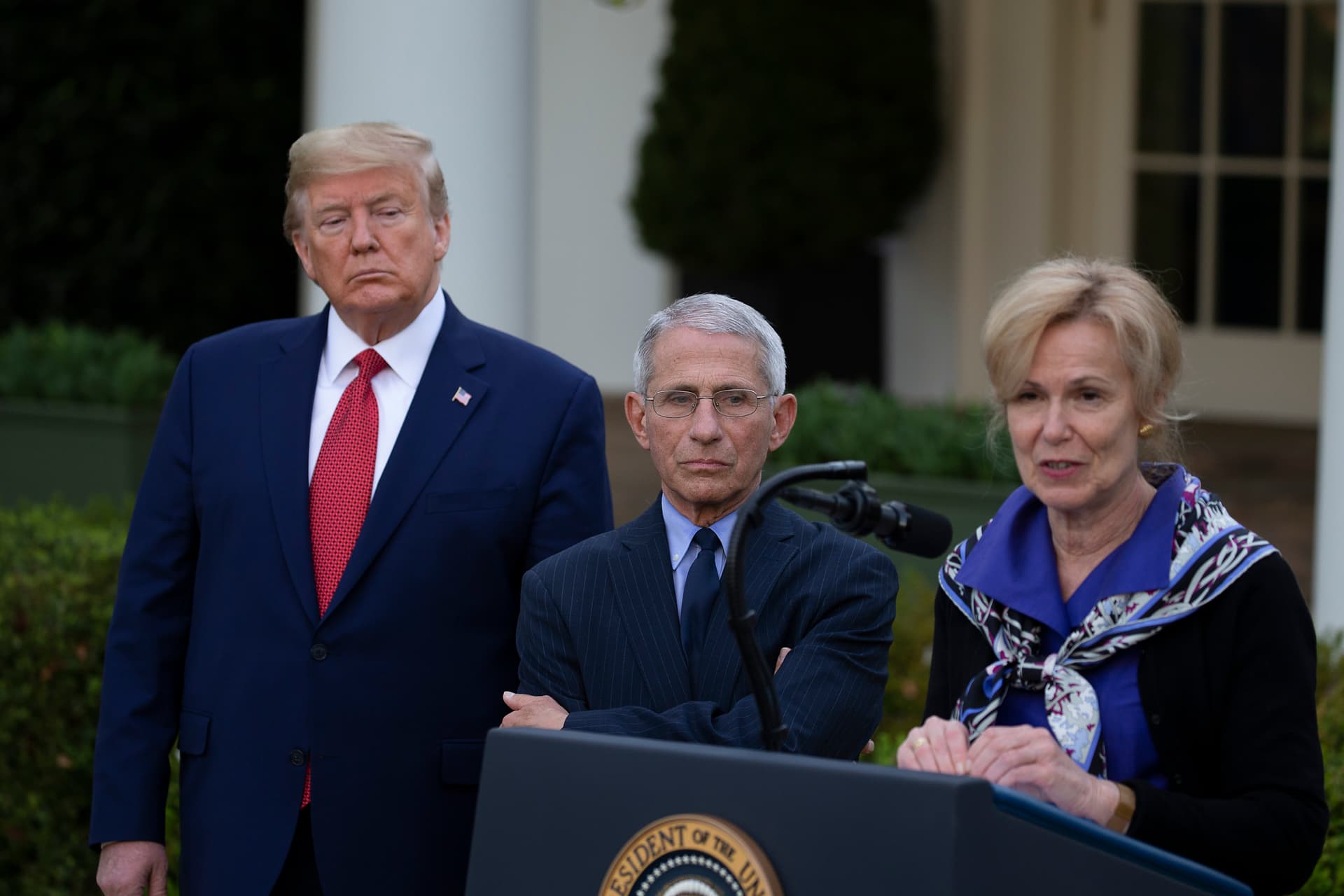
The president has already been aggressively pushing lawmakers to make changes to the chamber’s rules around confirmations.
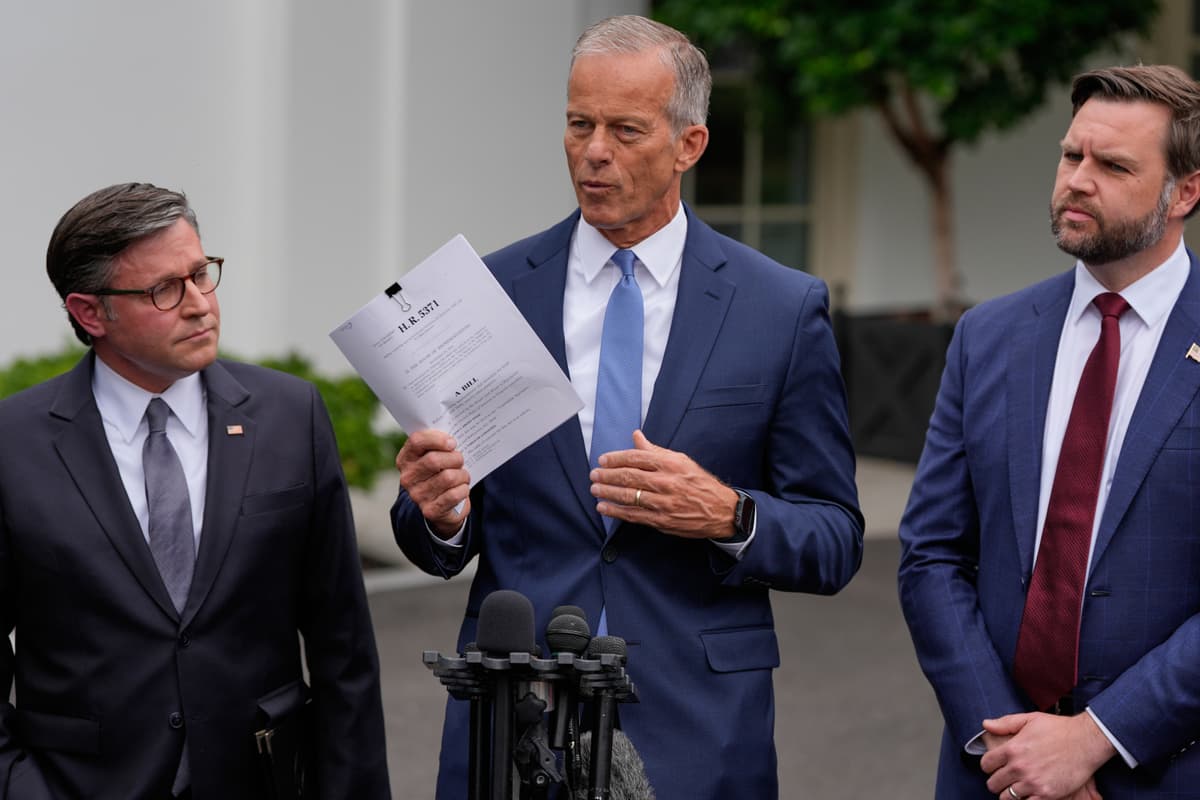

Senate Republicans are making clear that the 60-vote threshold filibuster is going nowhere, despite demands from some conservatives in the House and Senate as the government shutdown lingers into its fourth week. Some believe that it’s more than fair to pull the lever and get rid of the filibuster now, especially given Democrats’ previous demands that the procedure be scrapped.
Under current Senate rules, it takes 60-votes to invoke cloture and begin the process of ending debate. Earlier this year, the chamber changed some rules governing how quickly nominees can be processed, though for issues like government funding and changes to federal statute, lawmakers say they will not go that far.
“I talked to a couple of business people who said, ‘Well, why don’t you [get rid of] the filibuster?’ and I said, ‘Do you as a business person really want to have to now factor into your risk assessment for long-term capital expenditure that you could have massive swings in tax and regulatory policy every two, four, or six years?’” Senator Thom Tillis, who is retiring, tells the New York Sun.
“Do you have any idea how destabilizing that is? Foreign direct investment comes to this country in the trillions because of the certainty that our system produces,” Mr. Tillis argued. “The minute you nuke the filibuster, you have just taken away one of the biggest reasons why people are willing to pay a premium to invest in the United States.”
Democrats made a major push for “carve-outs” to the filibuster for voting rights and reproductive rights when they were in the majority, arguing that those two rights being guaranteed was worth reforming Senate precedent. Republicans at the time argued that such a move would be the beginning of the end for the filibuster as a whole — a sentiment with which Senators Joe Manchin and Kyrsten Sinema agreed at the time. Those two Democrats-turned-independents were the reason the reforms were never enacted.
Senator John Fetterman ran explicitly against Mr. Manchin’s and Ms. Sinema’s defense of the filibuster in 2022. This week, he told reporters he was sticking by that campaign pledge, and said that he would support getting rid of the 60-vote threshold in order to re-open the government.
“We ran on it. We ran on killing the filibuster and now we love it,” Mr. Fetterman said tongue-in-cheek about his Democratic colleagues.
Senator John Cornyn told reporters on Wednesday that there is no reality in which the Republican majority gets rid of the filibuster, however.
“We’re not going to eliminate the 60-vote requirement. That would be bad for the American people. Every two years we’d have a flip-flop in policy, and it would be bad for the economy,” he said.
Even Senator Roger Marshall — who, according to a study from the Center for American Progress votes with President Trump 100 percent of the time — tells the Sun he wouldn’t support any change to the filibuster.
“I think that’s a non-starter,” the Kansas senator says. “A Republican protests the rights of the minority. Otherwise, you just take a poll and you switch the direction the ship is going, so that filibuster helps protect the minority, and I think it’s served our country well.”
“I’ve studied a lot of President Eisenhower, as you can imagine, being from Kansas, and what President Eisenhower did is focus on 20 years from now. ‘How is this decision going to impact the next 20 or 30 years?’” Mr. Marshall said. “So, that’s my focus.”
Talk of either completely ditching or reforming the Senate’s 60-vote rule started around two weeks ago, when Senator Bernie Moreno said that such an option should be on the table. “Maybe it’s time to think about the filibuster,” Mr. Moreno told Fox News in an interview on October 10. “Let’s just vote with Republicans. We’ve got 52 Republicans. Let’s go and let’s open the government.”
“It may get to that,” he added.
Mr. Trump himself has not yet called for getting rid of the filibuster, though he did so during his first term as he was trying to get his 2017 tax reform bill through the chamber. He said so again in 2018, according to a report from Politico at the time.
After he left the White House, however, he told a podcaster in 2021 that it would be “catastrophic” if the then-Democratic majority in the chamber eliminated the filibuster.
Since returning to the White House in January, he has advocated for other changes to Senate rules and tradition. He pushed Senator John Thune and Speaker Mike Johnson to fully recess Congress ahead of the August vacation period, saying that he deserved the right to appoint his nominees without Senate consent.
Senate Republicans did not go along with that effort, though they did change Senate rules once they returned in order to allow for a more speedy confirmation process for presidential nominees.