After Years of Delay, the 9/11 Lawsuit Against Saudi Arabia Is Back on Track
A federal judge has rejected the kingdom’s bid to quash the suit, which alleges that Saudi Arabia supported an extremist network that aided the 2001 attackers.
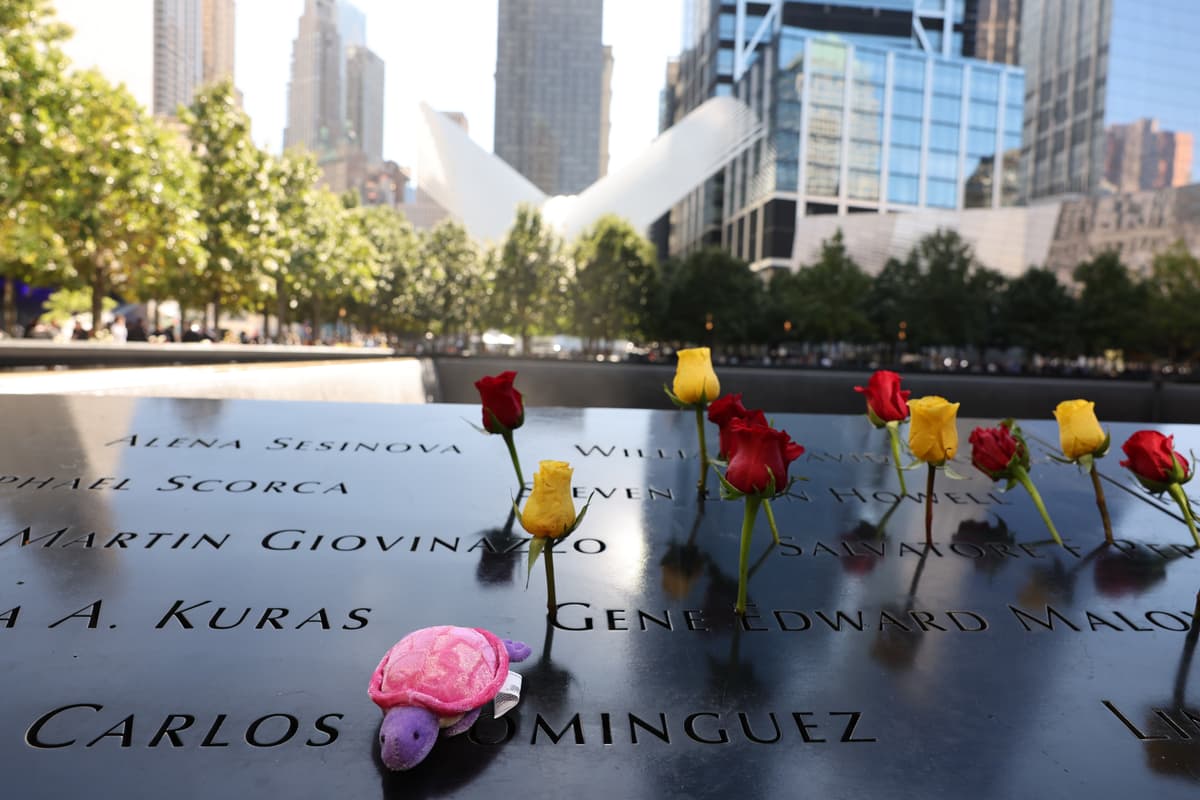

A Manhattan federal judge has ruled that a decades-old lawsuit against Saudi Arabia over the September 11 attacks can move forward, marking what families of victims are calling a major breakthrough in their quest for justice.
The suit alleges that Saudi government agents in the United States provided “an essential support network” for the hijackers. A U.S. District Court judge, George B. Daniels of the Southern District of New York, rejected Saudi Arabia’s attempts to have the case dismissed, finding “reasonable evidence” that the kingdom employed two men to assist the 9/11 hijackers in their preparations.
The president of the 9/11 Justice organization, Brett Eagleson, applauded the ruling, which comes less that two weeks before the anniversary of the tragedy.
“For the families, this is the most consequential step yet toward accountability and justice,” he said. “We have presented overwhelming evidence that the Kingdom is complicit in the 9/11 attacks, and a federal judge agrees. Now, we are prepared to present even more evidence showing that Saudi Arabia was complicit in the attacks that killed nearly 3,000 innocent Americans.”
The lawsuit, originally filed in 2002, alleges that Saudi Arabia supported an extremist network that aided individuals in the United States who helped carry out the September 11, 2001, attacks on the World Trade Center and Pentagon. The kingdom has consistently denied the allegations.
Judge Daniels focused on two Saudi nationals: Omar al-Bayoumi and Fahad al-Thumairy. According to court documents, Saudi Arabia sent Mr. Bayoumi to San Diego in 1994, ostensibly for educational purposes, while Mr. Thumairy was assigned to a Los Angeles mosque in 1998 and later received “significant funds” from a senior Saudi cabinet member.
Both men subsequently met with two of the Al Qaeda hijackers, raising questions about their true missions.
“By getting himself involved in the hijackers’ preparation for a terrorist attack, Mr. Bayoumi appears to have done much more than what a typical accountant or data processing technician would do,” Judge Daniels wrote. The judge also said Mr. Bayoumi “seemed to serve as a connecting point between the hijackers and many other people who had provided assistance to the hijackers at one point or another.”
The judge also noted that hijackers made repeated stops in Los Angeles, with phone records showing regular contact between Mr. Thumairy and one of the attackers. “It makes one wonder, who in Los Angeles did they hope to see or what did they intend to do there?” Judge Daniels said.
The ruling represents a significant turnaround for the plaintiffs. Nearly a decade ago, Judge Daniels had granted Saudi Arabia’s motion to dismiss the case, finding that the kingdom was protected by sovereign immunity under the Foreign Sovereign Immunities Act.
However, Congress intervened while the case was on appeal, passing the Justice Against Sponsors of Terrorism Act (JASTA), which created new exceptions to foreign sovereign immunity. The U.S. Court of Appeals for the Second Circuit subsequently vacated the 2015 dismissal and sent the case back for reconsideration under the new law.
“Nearly a quarter-century after we lost our loved ones, Judge Daniels’ ruling gives us the chance to finally pursue accountability, justice, and closure in their memory,” said Mr. Eagleson, the son of an attack victim.
Co-lead plaintiffs attorneys Jodi Westbrook Flowers and Donald Migliori of Motley Rice also celebrated the ruling. “Today’s landmark decision in the September 11, 2001 case marks an important day for justice,” they said in a joint statement.