Alabama Considers Dropping ‘Sesame Street’ From Its Airwaves Entirely After Congress Cuts Off Funding for Public Broadcasting
‘PBS right now carries a negative connotation,’ one commissioner says.
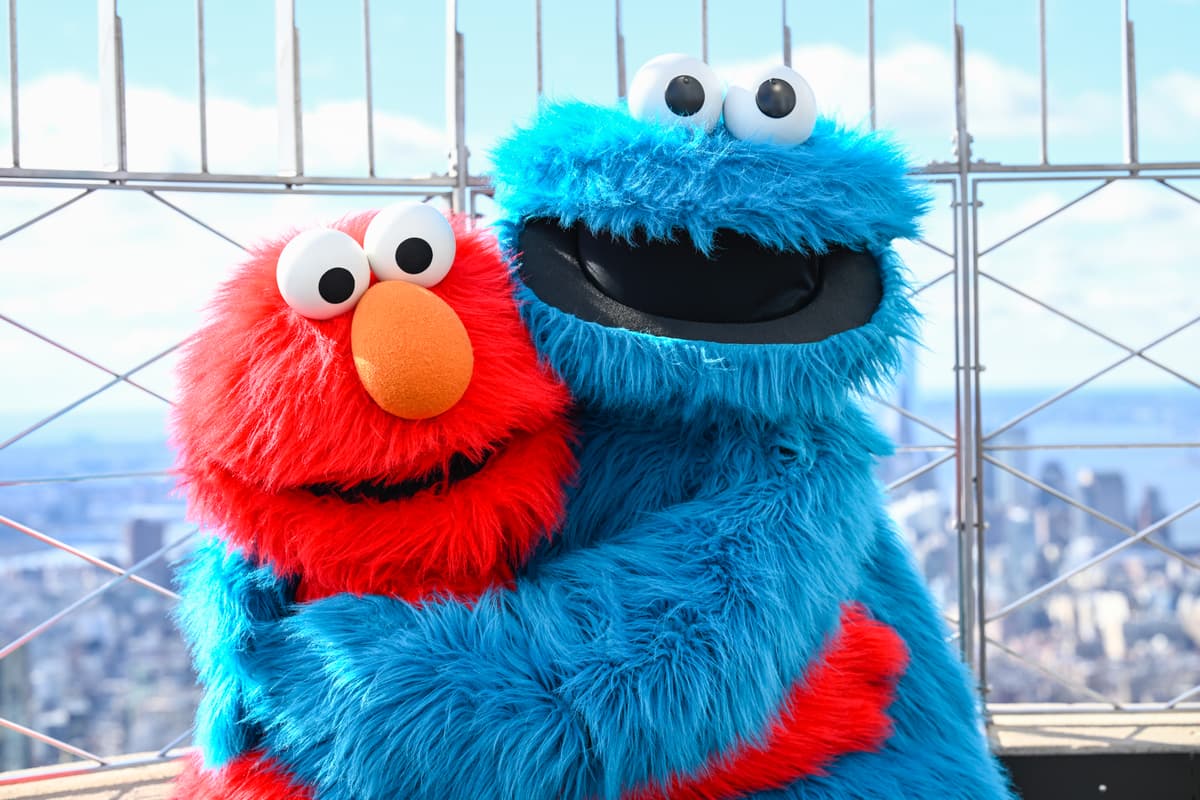

Alabama may be the first state to drop “Sesame Street” and other iconic public television programming from its airwaves and cut ties with PBS after Congress cut off funding to the Corporation for Public Broadcasting, or CPB.
In July, Congress voted to cut off $1.1 billion in federal funding for the CPB, which provided grants to public radio and television stations, after Republicans accused NPR and PBS of producing “woke” content. Alabama Public Television, or APT, reported that it received $2.4 million from the CPB.
APT pays about $2.2 million for PBS’s content, but it has lost $2.8 million in grant money it received from the CPB.
Some commissioners on the Alabama Education Television Commission say that, with the loss of federal funds, the state should reconsider whether it should keep paying for PBS’s programming.
The commission is set to meet on November 18 to discuss the idea of cutting off PBS programming to the state, which could lead to Alabama residents losing access to “Sesame Street,” “Antiques Roadshow,” and the “PBS Newshour” on their airwaves.
During a hearing on October 28, a commissioner who supports cutting off PBS, William Green Jr., said, “PBS right now carries a negative connotation.”
“And there’s no telling what they will do, how they will do it, and then if they make a statement or move a certain way, APT is going to be thrown in with them,” Mr. Green said.
Another commissioner, Les Barnett, said that “even if the federal Corporation for Public Broadcasting money came back,” he doesn’t “understand PBS.”
“I just, I don’t want to fund it, PBS has made themselves the enemy of what I stand with, and so I do not like them, and I don’t follow the philosophy of feeding the beast,” he said.
Meanwhile, the APT’s external director, Jack Williams, told commissioners that there are questions about how the state could continue funding public television. He added that Alabama “may have to dip into the reserve funds for the first time since 2009” to make up for the lost CPB grant money.
However, another commissioner, Bebe Williams, said that ending PBS programming would lead to her losing access to “so many programs I watch.”
She also warned the move could lead to a loss of memberships.
“The people that pay money for what they want, and we’re going to have to have the membership[s] in order to be able to afford things,” Ms. Williams said.
She argued that APT should find a way to keep PBS’s children’s programming as well as other dramas such as “Downton Abbey” and “Sherlock.”
Another commissioner, Johnny Curry, cautioned that APT would have to find new content to make up for the loss of PBS.
“You have to be very careful about deciding whether to sever that relationship, because it’s my understanding that 90 percent of the programs that this network broadcasts come through and from PBS,” Mr. Curry said. “If you sever that relationship, and I’m not saying you should or shouldn’t, but if you sever it, you gotta come up with 90 percent of your programming to replace, and that includes all of the educational programming the children watch during the day.”
Other commissioners suggested exploring whether Alabama could pick and choose which PBS content it wants to carry. Its current contract does not allow it to make such decisions.
PBS did not respond to the Sun’s request for comment by the time of publication.

