

Alexander the Great, Then and Now
What is most captivating about the author’s approach is that he keeps history and biography in play, unsettled, open to possibilities that engage every thinking person in the rewriting of history and biography.
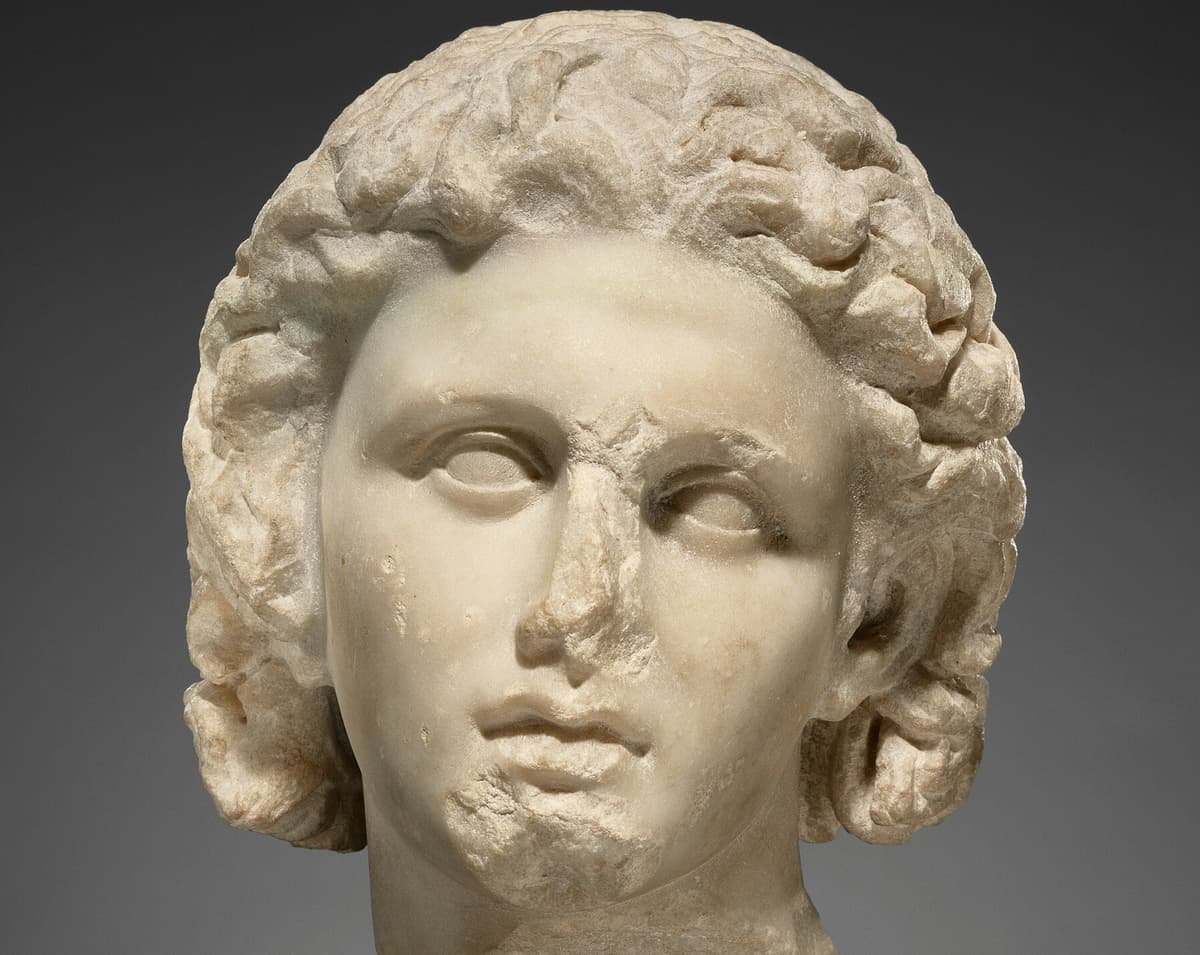
‘Alexander the Great: Lives and Legacies’
By Stephen Harrison
Reaktion Books, 240 Pages
Stephen Harrison has written what might be called a historiographical biography, as his subtitle suggests. He is vitally concerned with how Alexander has been depicted in both ancient and modern times, as well as factoring in this world conqueror’s lasting impact on the historical imagination and on the disposition of the lands he ruled and that others disputed and divided after his death.
Mr. Harrison’s aim is not merely to critique earlier interpretations of Alexander, the man and the warrior, but to canvas the array of assessments ancient and modern historians and biographers have disseminated, and why they chose certain versions of Alexander’s life and legacy over others.
Alexander has had his admirers — romantics, in Mr. Harrison’s view — who believe he aimed at nothing less than uniting the world under his Macedonian leadership into a multicultural polity. These Alexandrian dragomen point to how he adopted Persian customs and culture after conquering them, as if to say, “We are all Macedonians; we are all Persians.” But what did his actions actually mean, and what did they portend? Mr. Harrison asks.
Alexander may have gone Persian in some respects as merely an expedient, since there simply were not enough Macedonians to govern so much land and people. Mr. Harrison’s refrain is encompassed in two words, “another way,” as in, another variation on the evidence is available. His Alexander is improvisatory, constantly on the move, propitiating not only those he conquered but his own weary soldiers, wondering exactly when they would return home to their families.
Mr. Harrison does not deny Alexander’s brilliant generalship, but he believes the Great Man Theory of History is bunk — in so far as Alexander should not be regarded as simply a force unto himself. On the contrary, Mr. Harrison shows how Alexander alternatively inspired and cajoled his men, sometimes having to postpone marches and parlay with allies and enemies alike.
Alexander’s achievements disintegrated after his death — in part because of his greatness, Mr. Harrison suggests. The Macedonian cohort, loyal to their leader, inspired by him, could not replicate his fearless, ferocious, and canny drive to dominate the entire world. They had become so used to appeasing Alexander that they had developed no confidence or trust in one another.
At various strategic points, Mr. Harrison addresses the reader directly, pointing out the strengths and limitations of his own interpretation of Alexander’s motives and actions. In fact, in the end, Mr. Harrison argues that Alexander’s intentions cannot be fully ascertained. Was he so caught up in the pell mell of battle that he gave no thought to the future? Mr. Harrison is not certain but notes that Alexander did not secure a royal line, and did not prepare through marriage or other means to safeguard what he had established.
Mr. Harrison is so loath to psychologize Alexander’s behavior that he perhaps does less with biography than he should. On several occasions he refers to Alexander’s excessive drinking and how rash he could be, reveling and raging in the moment, so that any strategic sensibility seems to have disappeared in his dipsomaniacal upsets.
Mr. Harrison, however, might well say that I am speculating beyond what the evidence permits. Maybe so, but then he has infected my thinking that has now embraced the proposition that there is “another way” to see Alexander than seems to be in Mr. Harrison’s purview.
Mr. Harrison’s approach is tantamount to saying we live in a world of mixed motivations — meaning Alexander was vain and shrewd and thoughtful and rash — sometimes all at once, sometimes over those long periods when he had his opponents on the run. It seems too simple to say that he may have been the greatest example in human history of enforcing one man’s will on the world, and yet whatever else Alexander did, he pressed on and on and on.
What is most captivating about Mr. Harrison’s approach is that he keeps history and biography in play, unsettled, open to possibilities that — even at this late date — engage every thinking person in the rewriting of history and biography.
Mr. Rollyson is the author of the forthcoming “Sappho’s Fire: Kindling the Modern World.”