All-Out Trade War Looms as European Union Readies Retaliation for Trump Tariffs
American companies export about $370 billion in goods into the European Union each year.
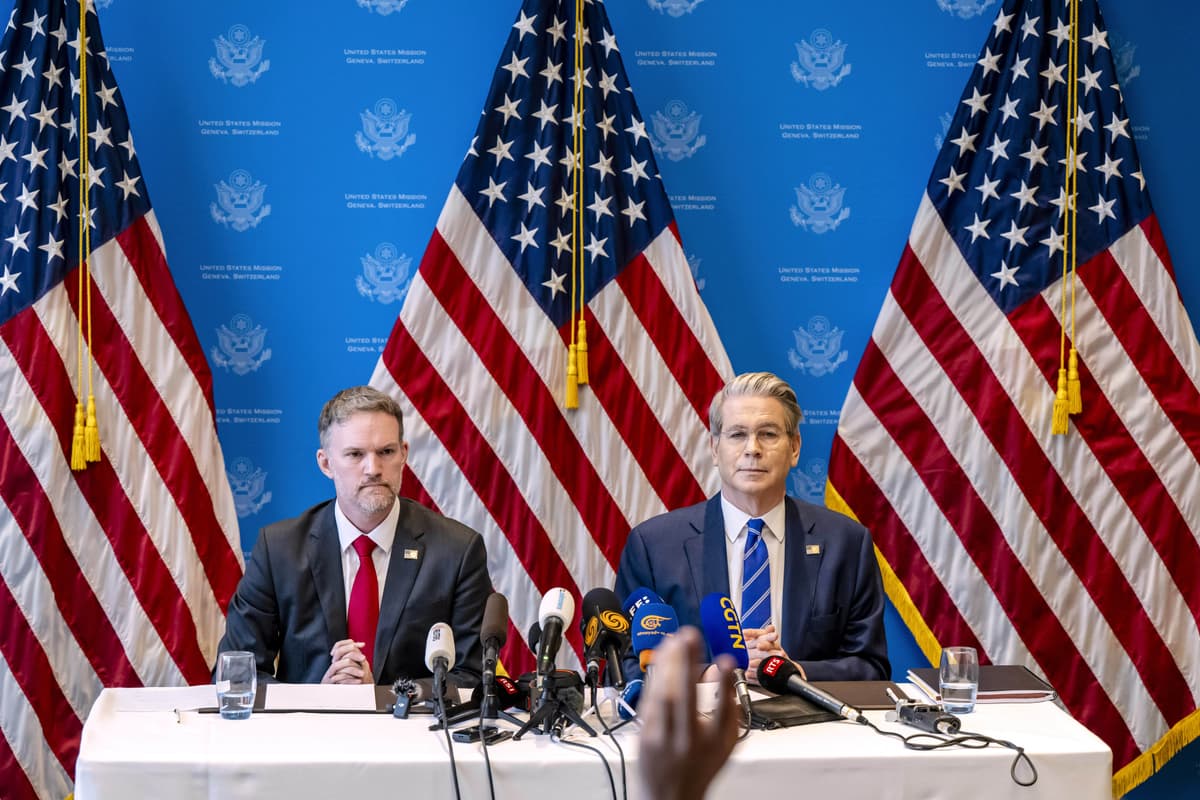
The deadline for a trade deal between the United States and the European Union is quickly approaching and could explode into an all-out trade war between the worldâs two largest economies as early as next week.
President Trump has threatened a new 30 percent tariff on the bloc starting August 1 if no deal is reached before then.
The European Union exports more than $600 billion in goods to the United States annually while importing about $370 billion from American companies.
A major stumbling block in the negotiations is Mr. Trumpâs insistence that the floor for American tariffs on European goods should be 15 percent or higher, the Wall Street Journal reports. European Union negotiators have been urging the 10 percent tax Mr. Trump threatened this spring.
A German official says there is still the possibility of an eleventh-hour deal, but, âIf they want war, they will get war.â Some members of the European Union are proposing, metaphorically, a ânuclear optionâ of severe punishment against the United States in the event a deal is not reached.
Germany and France are among several members now pushing âanti-coercionâ measures targeting American services, such as fees for the use of intellectual property and digital business transactions. The United States is globally dominant in services trade due to tech giants such as Google, Meta, and Microsoft, as well its major accounting and consulting firms.
The blocâs âanti-coercionâ instrument, seen as the ânuclear option,â would allow members to retaliate against countries that put economic pressure on them to change their policies.
The measure would allow the bloc to make the United States pay more for services in the European Union. While America has a trade deficit in goods with the bloc, it currently has a services trade surplus. If services were included, the trade deficit would be much smaller.
Other possible penalties could include restricting American investment and limiting the protection of American intellectual property in the bloc, such as patents or copyrighted works. Some American-produced foods could also be blocked from sale in member countries. Specific foods have not been announced but there have been calls to block chicken and grain imports, for example.
European Union envoys could meet as early as this week to come up with a response if a deal is not agreed to with the Trump administration, Bloomberg reports.
âThese negotiations are difficult,â the French finance minister, Eric Lombard, says. âIf we do not reach a balanced agreement with the United States of America, then we reserve the right to take countermeasures that are balanced, of course, but aimed at upholding the interests of the European Union.â
One sticking point is the Trump administrationâs rejection of a block on further tariffs after the deal is finalized.
In a television appearance Monday morning, Secretary Bessent downplayed the importance of the August 1 deadline.
âTalks are moving along but the important thing here is the quality of the deal, not the timing of the deal,â Mr. Bessent said in a CNBC interview.
âThereâs a lot of back and forth,â Mr. Bessent added. âThe nature of deals like this is, we are the deficit country so the surplus country will always feel it more.â
Mr. Bessent says the impetus is on the Europeans to get the deal done because of the âgigantic trade deficit.â
As for any extension with the deadline, Mr. Bessent says that will be up to Mr. Trump to decide. âIt doesnât have to get ugly,â Mr. Bessent says of the negotiations.