American Economy Surges 3 Percent in Q2, Higher Than Predicted, Despite Uncertainty Over Trump Tariffs

The stronger-than-expected economy may make Federal Reserve governors rethink any plans they may have to lower interest rates in the near future.

Justin Sullivan/Getty Images
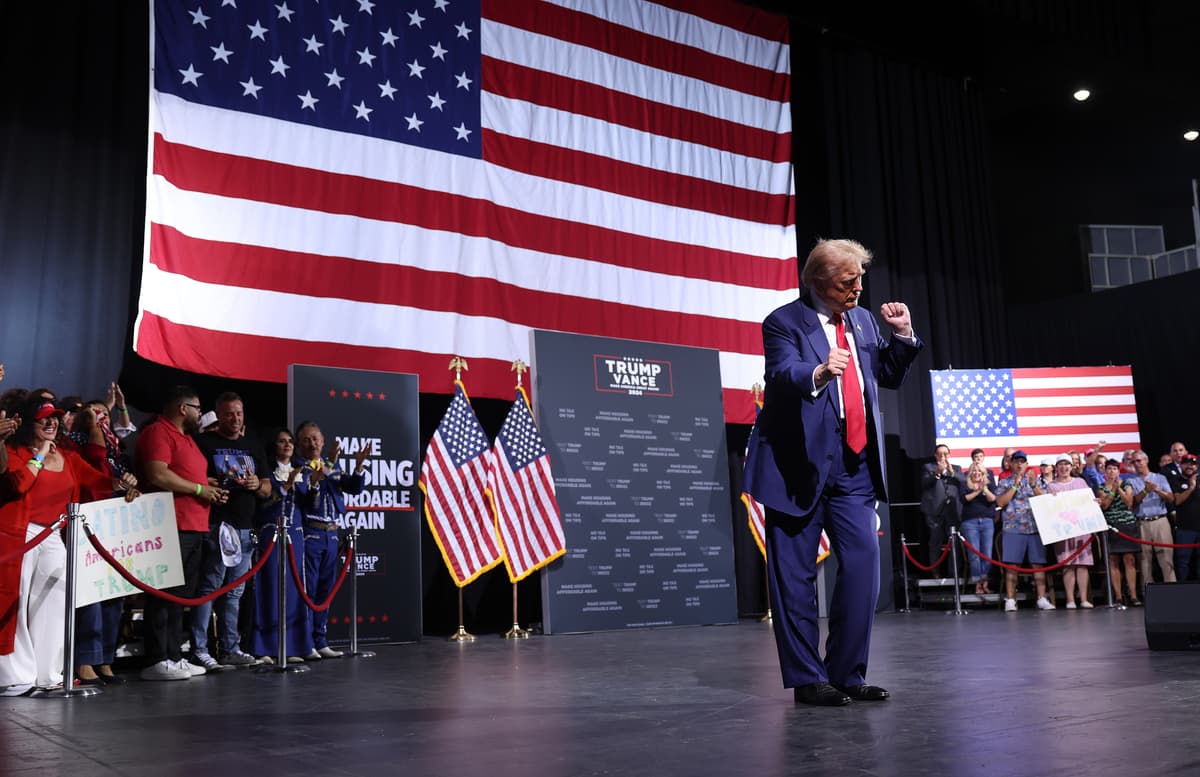
President Trump dances during a campaign event at the Linda Ronstadt Music Hall on September 12, 2024, at Tucson. Justin Sullivan/Getty Images

The American economy expanded at a surprisingly brisk rate in the second quarter, powered by a major shift in trade dynamics and robust consumer spending, the Department of Commerce says.

Gross domestic product, which measures the total value of goods and services produced across the economy, rose 3 percent between April and June. The increase, adjusted for both inflation and seasonality, surpassed the estimated 2.3 percent growth predicted by Dow Jones economists and marked a sharp recovery from the first quarter’s 0.5 percent decline.

Net exports added 5 percentage points to the GDP, the Bureau of Economic Analysis report showed Wednesday. 

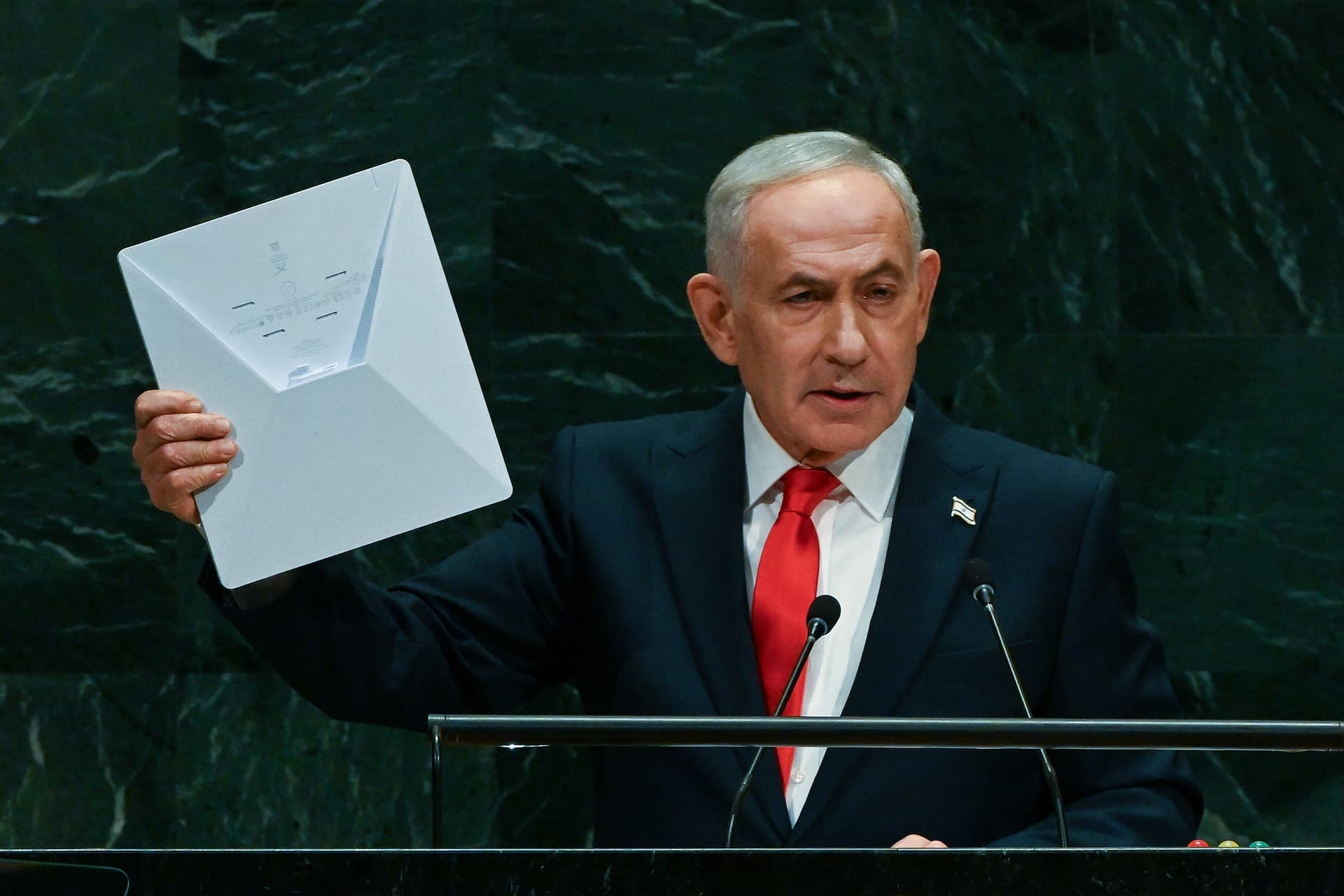
President Trump was quick to crow about the news. “2Q GDP JUST OUT: 3%, WAY BETTER THAN EXPECTED!” he wrote on Truth Social. Addressing the Federal Reserve chairman, Jerome Powell, Mr. Trump added, “‘Too Late’ MUST NOW LOWER THE RATE. No Inflation! Let people buy, and refinance, their homes!”

The second-quarter performance was bolstered by a reversal in trade flows. While imports fell 30.3 percent, a dramatic turnaround from their 37.9 percent surge in Q1, exports faced only a slight decline of 1.8 percent. The Q1 surge in imports was attributed to businesses racing to secure goods ahead of tariff announcements by Mr. Trump in early April.

Mr. Trump declared April 2 as “Liberation Day” and spent the following months in tense negotiations with global trading partners. Those negotiations ultimately resulted in elevated import taxes for American consumers compared to the start of the year, though they were not as severe as initially proposed. 

The latest economic report also showed signs of cooling inflation. The personal consumption expenditures price index, the Federal Reserve’s preferred inflation gauge, increased by 2.1 percent in Q2, just above the central bank’s 2 percent target but significantly lower than the first quarter’s 3.8 percent. Core PCE inflation, which excludes food and energy, rose 2.5 percent, down from Q1’s 3.5 percent.

The Federal Reserve board of governors, which concludes its monthly meeting later on Wednesday, is expected to maintain its overnight borrowing rate within a range of 4.25 percent to 4.5 percent, unchanged since December, despite Mr. Trump’s pressure on Mr. Powell.


The New York Sun

© 2025 The New York Sun Company, LLC. All rights reserved.

Use of this site constitutes acceptance of our Terms of Use and Privacy Policy. The material on this site is protected by copyright law and may not be reproduced, distributed, transmitted, cached or otherwise used.

The New York Sun

Sign in or  create a free account

or
By continuing you agree to our Privacy Policy and Terms of Use