America’s Biggest Cities To Be Affected by Cuts in Air Traffic Due to Shutdown
Some airline analysts are saying it is time to consider privatizing the air traffic control system to insulate it from politics.
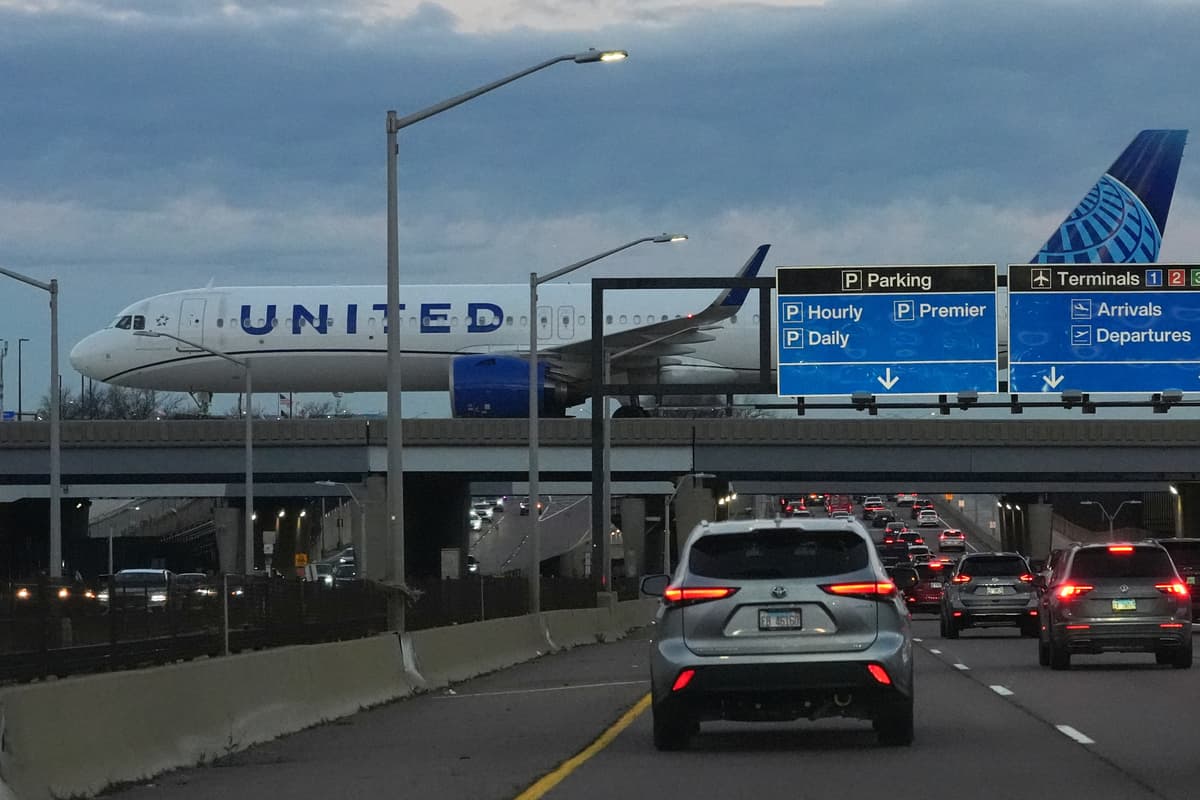
Atlanta, Dallas, New York, and Los Angeles are among the major hubs where airline capacity will be cut back by the Federal Aviation Administration beginning Friday due to the government shutdown.
The decision has prompted suggestions that the air traffic control system be privatized to make it less vulnerable to disruptions in the future.
Transportation Secretary Sean Duffy said on Wednesday that air traffic will be cut by 10 percent at 40 high-volume airports to deal with shortages of air traffic controllers, who are working without pay as the shutdown enters its second month.
“We had a gut check of what is our job,” Mr. Duffy told reporters, adding that if the federal shutdown continues for another week, it could lead to “mass chaos” with a portion of the national airspace being completely closed to traffic.
Mr. Duffy has warned about staffing shortages among air traffic controllers, who have been required to work without pay since the shutdown began. Even before the shutdown, the system faced a shortage of between 2,000 and 3,000 air traffic controllers.
CBS News reported the rollback will begin in phases starting Friday with airlines hitting the 10 percent mark by next week, according to a pair of sources familiar with discussions among the FAA, the Transportation Department and the airline industry.
The network said the 40 airports affected include not only busy passenger airports but also terminals that handle heavy cargo traffic, including Louisville, Memphis, and Anchorage. An official list of airports affected is expected to be released by the FAA on Thursday.
The air traffic control industry has long depended on federal subsidies to keep operations running. After seeing the effects that government shutdowns, both past and present, have had on air travel in America, some have proposed privatizing the system.
“We shouldn’t subsidize transportation modes,” a Cato Institute fellow and former senior economist on the congressional Joint Economic Committee, Chris Edwards, said to The New York Sun. “It earns revenue by itself.”
“It’s entirely feasible,” he said in regard to making the air traffic control system a privatized non-profit corporation. “There are dozens of other countries that have gone halfway to that.
“They’ve basically made their air traffic control arm’s-length separate from the government budget, and the key is just that, you know, the fees from airlines go directly to the entity, so it’s out of the government budget.”
Mr. Edwards points out that in the current political climate, crises like the ongoing shutdown will likely become “worse and more frequent.” He also says that the current system stifles innovation and technological advancement.
“The new thing that European countries and Canada are going towards, they’re called remote towers,” he said. “You just basically have a bunch of masts with infrared cameras scanning the runway, and you have air traffic controllers in a bunker looking at giant screens.”
“It’s a cheaper, better, more sophisticated way to do it.”