Artificial Intelligence-Generated Song Tops Billboard Country Chart for the First Time
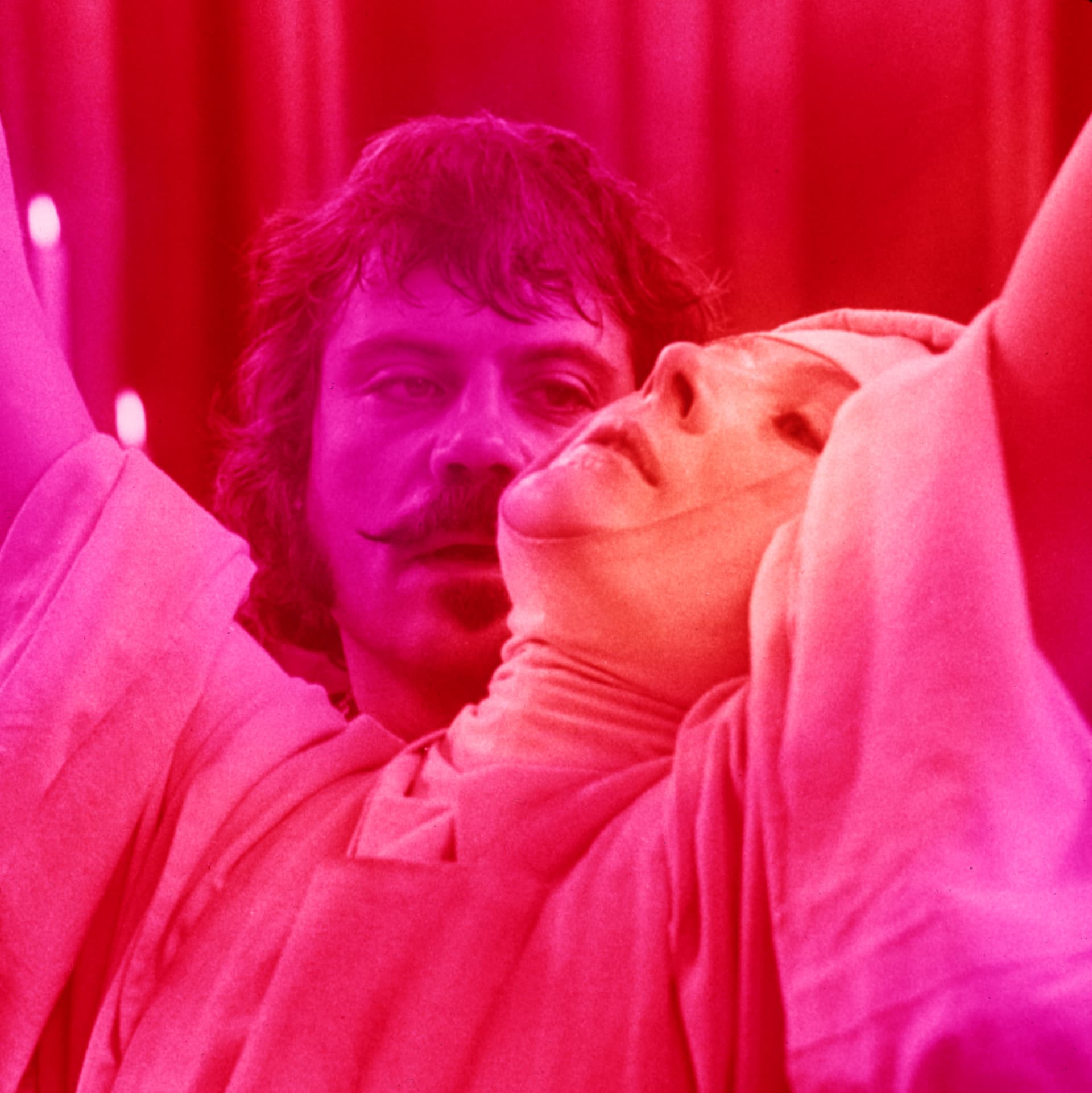
AI-generated images of the singer depict a nonexistent rugged cowboy with a chiseled jawline and manly beard.


Artificial intelligence has officially entered the music charts.
âWalk My Walk,â a song by the computer-generated artist Breaking Rust, has climbed to the no. 1 spot on Billboardâs Country Digital Song Sales chart, marking a significant moment for AI in the creative industries.
Breaking Rust is depicted in AI-generated images as a rugged cowboy with a chiseled jawline and manly beard. He has a soulful, husky voice similar to Chris Stapleton or Marcus King. The artist has amassed more than 2.2 million monthly listeners on Spotify, with the chart-topping single âWalk My Walkâ now surpassing 3 million streams.
The songâs lyrics champion authenticity, with lines like, âYou can kick rocks if you donât like how I talk / Iâma keep on talking and walk my walk.â However, some experts note that the trackâs production gives away its artificial origins.
An assistant professor of music technology at Indiana University, Jason Palamara, commented on the songâs technical aspects. âAfter listening to âWalk My Walkâ one time, it was pretty obviously the product of AI,â he told Newsweek, noting that while itâs an advancement in creating a consistent AI âvocal character,â the overall sound is a giveaway.
âThe audio on every track sounds really compressed and still has this weird digital shimmer, especially evident in the vocals. Once you notice it you canât not notice it,â he said.
The song is credited to Aubierre Rivaldo Taylor, according to the Tennessean, which said he is connected to Breaking Rust and another AI music project, Defbeatsai.
The success of Breaking Rust, as well as another AI artist, Cain Walker, who also placed on the country chart, has ignited a fierce debate within the music industry. Many artists, including Martina McBride, Garth Brooks, and Lainey Wilson, have voiced concerns about AIâs role and potential to undermine human creators.
In May, Ms. McBride appeared before the Senate Judiciary Subcommittee on Privacy, Technology, and the Law at a hearing about AI-generated deepfakes. âI think itâs important because as artists, we hopefully want to speak the truth,â she told lawmakers. âWe want to build a relationship with our fans in which they trust us â they believe what we say.â
The controversy isnât limited to music. The emergence of AI-generated actress Tilly Norwood has also sparked backlash in Hollywood over the threat to real actors.
SAG-AFTRA condemned the AI-generated âactor,â saying in a September statement, âTo be clear, âTilly Norwoodâ is not an actor, itâs a character generated by a computer program that was trained on the work of countless professional performers â without permission or compensation. It has no life experience to draw from, no emotion and, from what weâve seen, audiences arenât interested in watching computer-generated content untethered from the human experience.â
The core of the issue lies in how AI models are trained. These systems often use vast databases of existing music, raising questions about copyright infringement. Currently, there is no reliable way for artists to know if their work has been used to train an AI without their consent.
In response, federal lawmakers are taking action. The Transparency and Responsibility for Artificial Intelligence Networks (TRAIN) Act, introduced by a bipartisan group of U.S. senators, aims to create transparency by allowing creators to see if AI companies are training models with their copyrighted work. A similar national bill, the No Fakes Act, has also been introduced to protect artistsâ voices and likenesses.
Mr. Palamara acknowledged the challenge this poses for human artists. âAI bands are going to make it even harder for real human artists to break through and get a following,â he said. He suggests that genuine, long-term connections with fans are something AI canât replicate yet, and this will be key for human artists to distinguish themselves.