
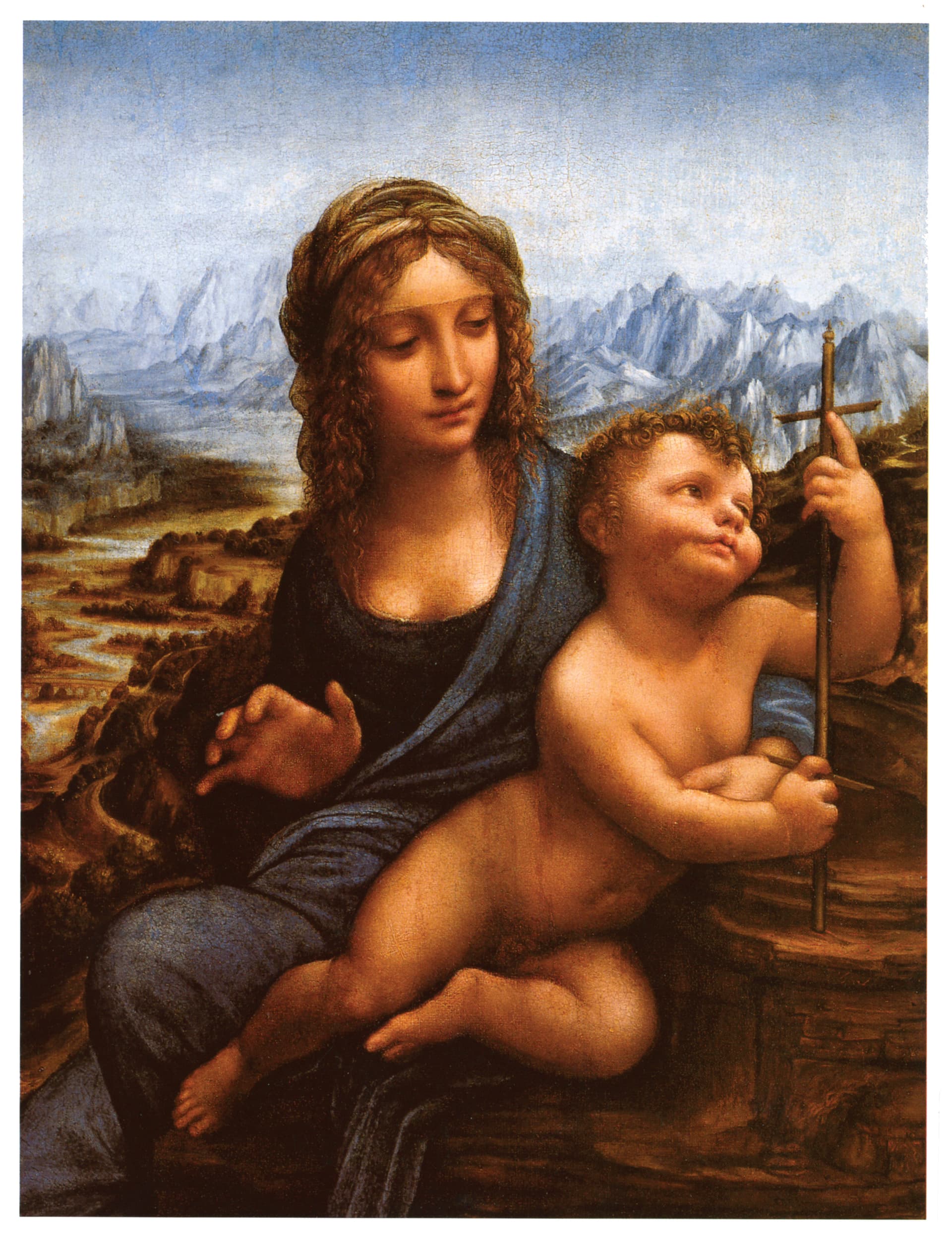
The Met’s Understated Madonna: A Rare Leonardo da Vinci Masterpiece Now Discreetly in Full View
By HARRY TANNER
|This article is from the archive of The New York Sun before the launch of its new website in 2022. The Sun has neither altered nor updated such articles but will seek to correct any errors, mis-categorizations or other problems introduced during transfer.

Published:
Updated:
When I first walked into the “Andreas Feininger: New York” exhibition at the Alan Klotz Gallery, my initial reaction was, “This man came to America to make love to New York with his camera.” Of course, Feininger (1906–1999) arrived here in 1939, a fugitive from the war in Europe, and so he saw New York as a city of refuge. But he also saw it with the eyes of a trained architect. Unlike the contemporaneous photographers referred to collectively as the New York School, Feininger rarely shot the people of the city. But few have taken pictures that make its skyline and buildings and impressive infrastructure look so glorious.
By HARRY TANNER
|
By ELYSA GARDNER
|
By THE NEW YORK SUN
|
By THE NEW YORK SUN
|
By MATTHEW RICE
|
By BENNY AVNI
|
By GEORGE WILL
|
By ROSS ANDERSON
|When I first walked into the “Andreas Feininger: New York” exhibition at the Alan Klotz Gallery, my initial reaction was, “This man came to America to make love to New York with his camera.” Of course, Feininger (1906–1999) arrived here in 1939, a fugitive from the war in Europe, and so he saw New York as a city of refuge. But he also saw it with the eyes of a trained architect. Unlike the contemporaneous photographers referred to collectively as the New York School, Feininger rarely shot the people of the city. But few have taken pictures that make its skyline and buildings and impressive infrastructure look so glorious.
Already have a subscription? Sign in to continue reading
Cancel anytime
By continuing you agree to our Privacy Policy and Terms of Service.