
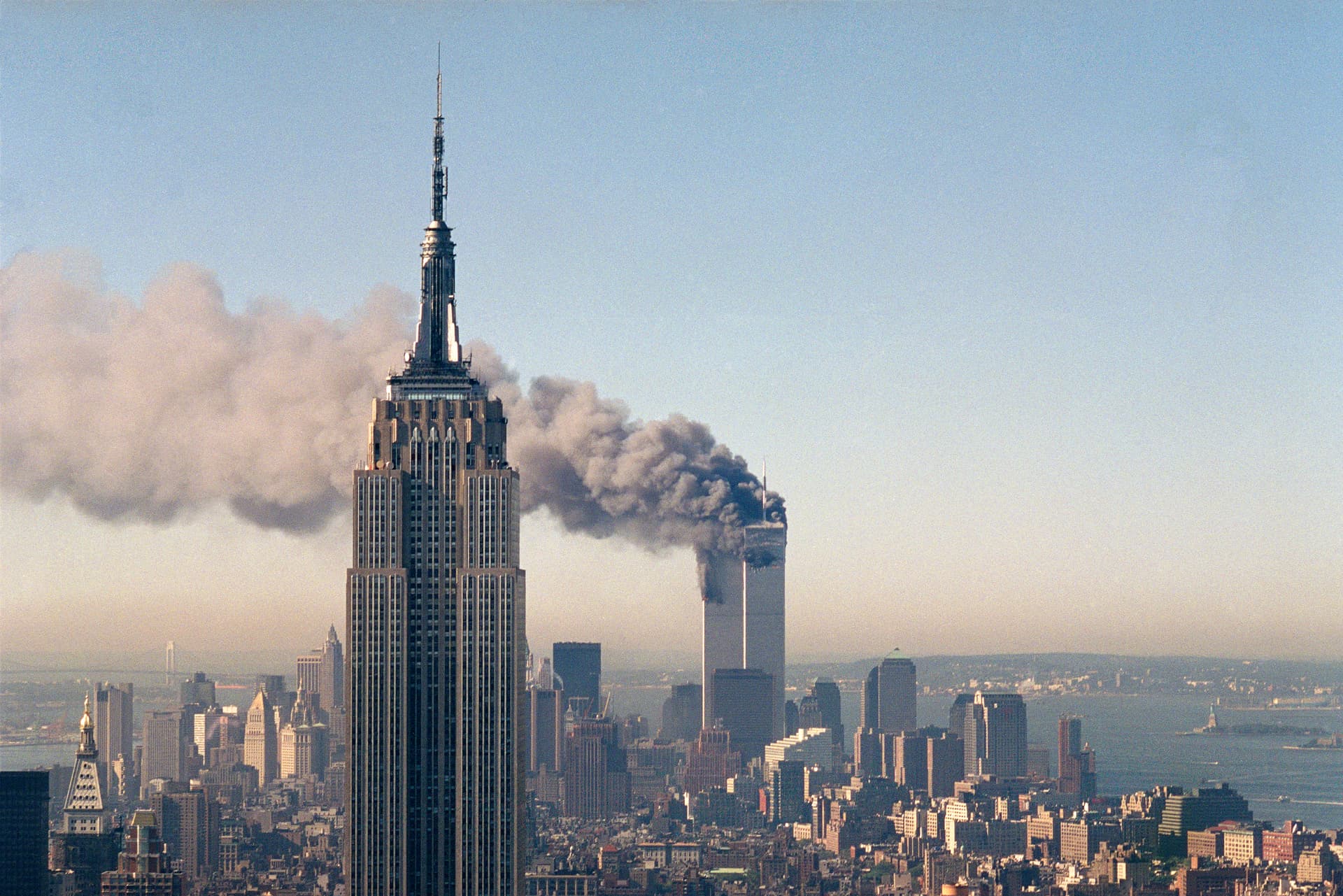
Critics Lash Canada’s CBC for Restricting Use of Word ‘Terrorist’ in 9/11 Anniversary Coverage
By DAVID JONES
|This article is from the archive of The New York Sun before the launch of its new website in 2022. The Sun has neither altered nor updated such articles but will seek to correct any errors, mis-categorizations or other problems introduced during transfer.

Published:
Updated:
Most casual filmgoers think of Hitchcock as merely the “Master of Suspense.” More sophisticated cinephiles view him as the elegant formalist of such films such as “Lifeboat,” in which the action is confined to the title vessel filled with a cross-section of World War II types; “Rope” (January 4), filmed in what appears to be one uninterrupted take that lasts 81 minutes; and “Rear Window” (Friday-Monday), which followed an entire murder mystery through the perspective of a man confined in a wheelchair.
By DAVID JONES
|
By BRADLEY CORTRIGHT
|
By LUKE FUNK
|
By BRADLEY CORTRIGHT
|
By DEAN KARAYANIS
|
By DONALD KIRK
|
By MATTHEW RICE
|
By BRADLEY CORTRIGHT
|Most casual filmgoers think of Hitchcock as merely the “Master of Suspense.” More sophisticated cinephiles view him as the elegant formalist of such films such as “Lifeboat,” in which the action is confined to the title vessel filled with a cross-section of World War II types; “Rope” (January 4), filmed in what appears to be one uninterrupted take that lasts 81 minutes; and “Rear Window” (Friday-Monday), which followed an entire murder mystery through the perspective of a man confined in a wheelchair.
Already have a subscription? Sign in to continue reading
Cancel anytime
By continuing you agree to our Privacy Policy and Terms of Service.