
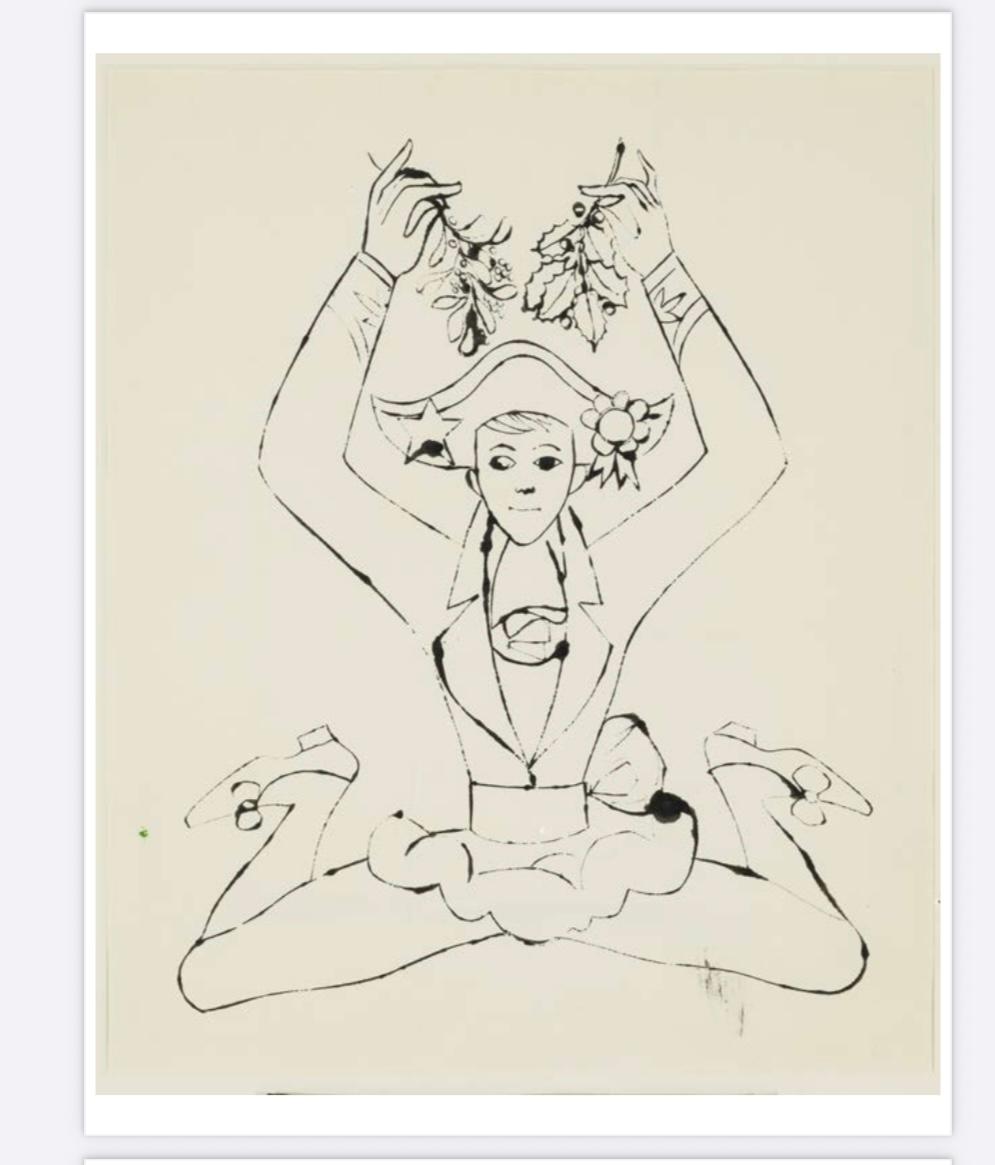
Andy Warhol — Before His First 15 Minutes of Fame
By DAVID HIROSHI JAGER
|This article is from the archive of The New York Sun before the launch of its new website in 2022. The Sun has neither altered nor updated such articles but will seek to correct any errors, mis-categorizations or other problems introduced during transfer.

Published:
Updated:
Some artists hide behind the scrim of creative license, contending that even the bloodiest confessions are merely the fabric of fictional conceit. Names are changed to protect the guilty. Catastrophic experiences are related by imaginary characters. And everything else is coincidental. Bob Dylan, in his 2004 memoir, implied that his 1974 classic, “Blood on the Tracks,” widely assumed to be about his divorce, was in fact based on Chekhov.
By DAVID HIROSHI JAGER
|
By ROSS ANDERSON
|
By ELYSA GARDNER
|
By A.R. HOFFMAN
|
By MATTHEW RICE
|
By MATTHEW RICE
|
By SHARON KEHNEMUI
|
By GEORGE WILLIS
|Some artists hide behind the scrim of creative license, contending that even the bloodiest confessions are merely the fabric of fictional conceit. Names are changed to protect the guilty. Catastrophic experiences are related by imaginary characters. And everything else is coincidental. Bob Dylan, in his 2004 memoir, implied that his 1974 classic, “Blood on the Tracks,” widely assumed to be about his divorce, was in fact based on Chekhov.
Already have a subscription? Sign in to continue reading
Cancel anytime
By continuing you agree to our Privacy Policy and Terms of Service.
Cancel anytime