
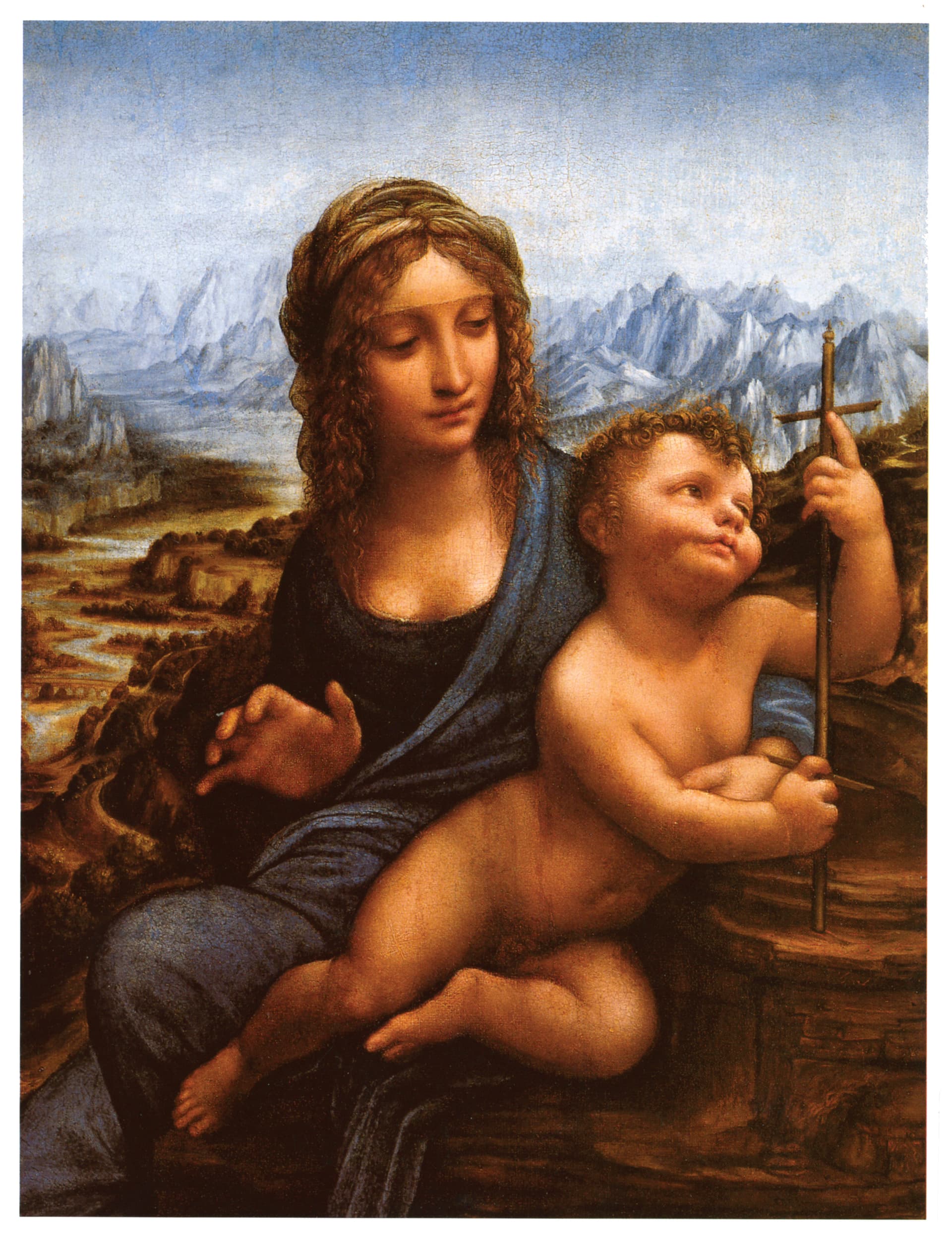
The Met’s Understated Madonna: A Rare Leonardo da Vinci Masterpiece Now Discreetly in Full View
By HARRY TANNER
|This article is from the archive of The New York Sun before the launch of its new website in 2022. The Sun has neither altered nor updated such articles but will seek to correct any errors, mis-categorizations or other problems introduced during transfer.

Published:
Updated:
Albert Camus’s 1942 novel “L’étranger” (“The Stranger”) introduced the world to one of the first and most memorable in a long line of alienated heroes. The French-Algerian Meursault insisted on defining himself by the action — the killing of an Arab — that led to his execution. In accepting the responsibility, he asserted his own freedom.
By HARRY TANNER
|
By ELYSA GARDNER
|
By THE NEW YORK SUN
|
By THE NEW YORK SUN
|
By MATTHEW RICE
|
By BENNY AVNI
|
By GEORGE WILL
|
By ROSS ANDERSON
|Albert Camus’s 1942 novel “L’étranger” (“The Stranger”) introduced the world to one of the first and most memorable in a long line of alienated heroes. The French-Algerian Meursault insisted on defining himself by the action — the killing of an Arab — that led to his execution. In accepting the responsibility, he asserted his own freedom.
Already have a subscription? Sign in to continue reading
Cancel anytime
By continuing you agree to our Privacy Policy and Terms of Service.