

Apple’s Overlooked MacBook Pro Gets an Upgrade
By ROSS ANDERSON
|This article is from the archive of The New York Sun before the launch of its new website in 2022. The Sun has neither altered nor updated such articles but will seek to correct any errors, mis-categorizations or other problems introduced during transfer.

Published:
Updated:
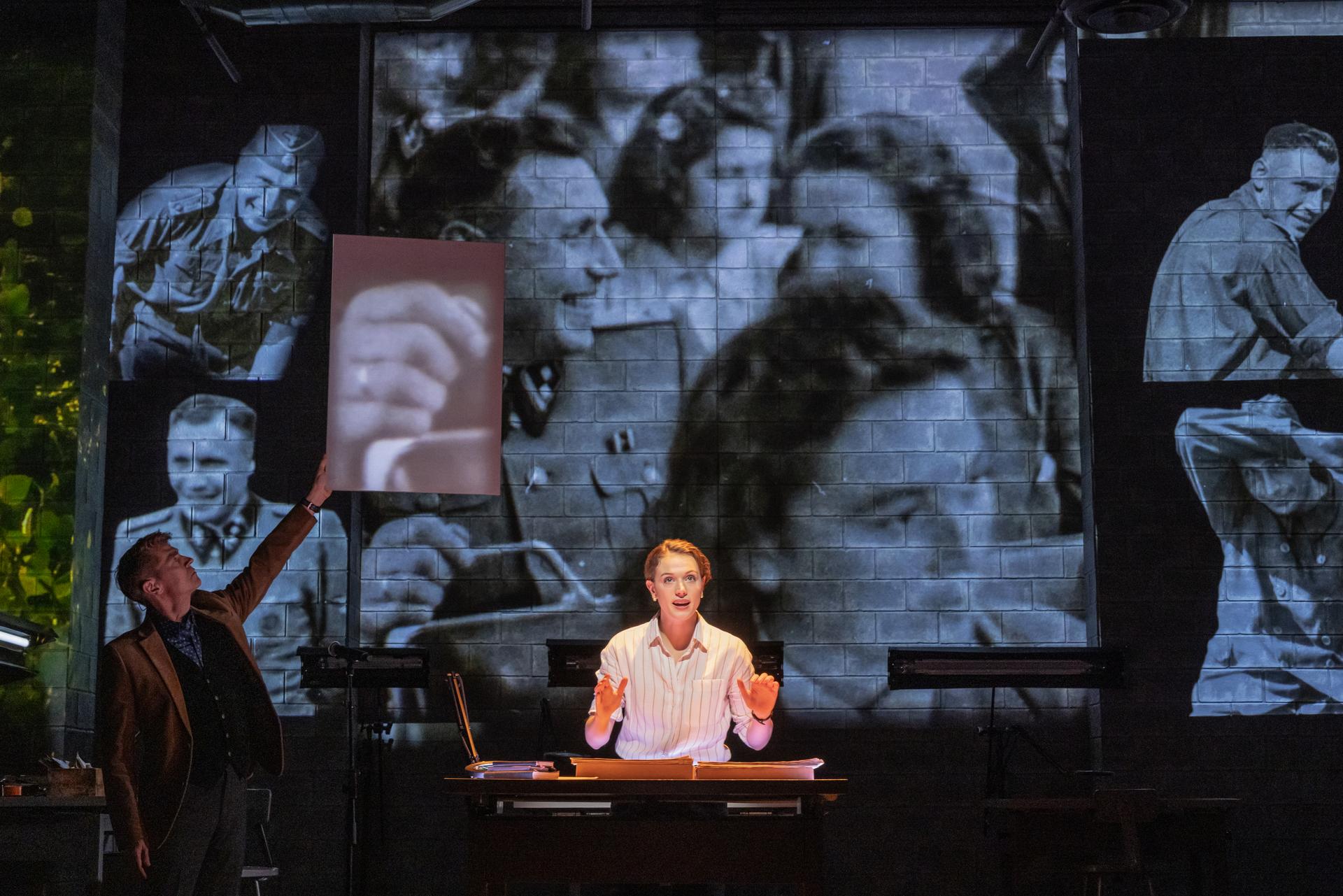
The German Marxist critic, Theodor Adorno, was once famous for having remarked that, after Auschwitz, poetry was impossible, though that is not quite what he said. Half a century later, it has turned out to be rather a good joke on him – or is it a confirmation of his view? – that poetry, like the other arts, sometimes seems as if it can hardly get along without the Holocaust.
By ROSS ANDERSON
|
By ELYSA GARDNER
|
By ELYSA GARDNER
|
By ALEX ZDAN
|
By HOLLIE McKAY
|
By GEORGE WILLIS
|
By LUKE FUNK
|
By THE NEW YORK SUN
|The German Marxist critic, Theodor Adorno, was once famous for having remarked that, after Auschwitz, poetry was impossible, though that is not quite what he said. Half a century later, it has turned out to be rather a good joke on him – or is it a confirmation of his view? – that poetry, like the other arts, sometimes seems as if it can hardly get along without the Holocaust.
Already have a subscription? Sign in to continue reading
Cancel anytime
By continuing you agree to our Privacy Policy and Terms of Service.
Cancel anytime