BBC Demonstrated ‘Lack of Critical Oversight’ Over Gaza Documentary, Report Finds
The internal report says it was not appropriate to use a 13-year-old paid narrator who is the son of a senior Hamas official.

A new BBC report on its documentary on the war in Gaza finds a breach of accuracy guidelines but puts a majority of the blame on an independent production company and not on anyone at the network.
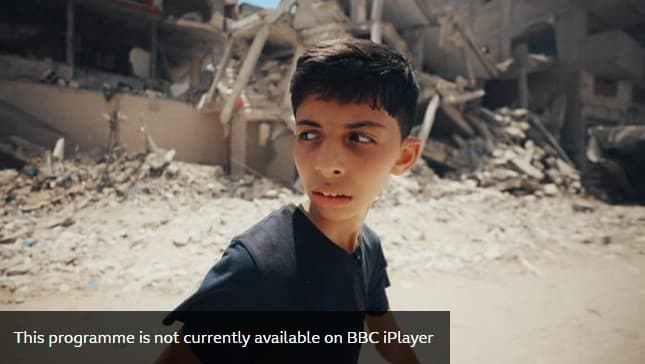
The February documentary at the center of the controversy, “Gaza: How to Survive a Warzone,” a disturbing portrait of children and teenagers living in a “safe zone” in Gaza, came under fire after it was disclosed that the film’s 13-year-old narrator, Abdullah Al-Yazouri, is the son of a senior Hamas official — which the documentary failed to disclose.
It later came out that another child included in the documentary is the daughter of a former captain in the Hamas-managed police force.
Monday’s independent report finds that lack of disclosure is a breach of the BBC’s editorial guidelines on accuracy and that the use of the child was “not appropriate.”
The report says three members of Hoyo Films knew of the father’s position but claims no one at the BBC was aware at the time it aired. The report finds the BBC wasn’t “sufficiently proactive” with editorial checks and demonstrated a “lack of critical oversight of unanswered or partially answered questions” ahead of the film’s broadcast. It says audiences were misled.
The report says the narrator was paid and given a mobile phone and gift card as part of working on the film.
Israeli officials have called the film “pure propaganda.”
The BBC initially kept the program available to stream but added a disclaimer that the narrator’s father worked as a deputy agriculture minister for Hamas. The network defended the film at the time, noting that it “remains a powerful child’s eye view of the devastating consequences of the war in Gaza, which we believe is an invaluable testament to their experiences.”
A few days later, however, BBC pulled the program pending “further diligence” with the production company.
With the release of the report, the chief executive of BBC News and Current Affairs, Deborah Turness, tells BBC Radio, “We’ve said we’re sorry, and I am sorry.”
Admitting that the BBC should have investigated more before airing the documentary, Ms. Turness says, “We need more dedicated senior leadership overseeing this area of our activity.”
The report does not name any BBC employees facing disciplinary action. Ms. Turness would not answer questions on why no one has been fired, stating, “I just think it’s not right and not appropriate for me to pre-judge and pre-determine a process that needs to have its time.”
“I asked the board directly why nobody had resigned or been fired over the series of failures,” Britain’s culture secretary, Lisa Nandy, tells ITV. “What I’ve had in response is an action plan that is aimed at addressing the reasons why some of these failures happened.”
Ms. Nandy says her concern is to make sure it doesn’t happen again: “It’s really, really vital that the highest standards are upheld.”
The BBC, one of the most powerful institutions in Britain, has long been dogged by allegations of anti-Israel bias. The BBC receives public funding directly from British taxpayers, so the U.K. government has some oversight authority. Ms. Nandy has floated ending the BBC license fee that funds the network.
The Tory leader, Kemi Badenoch, describes the controversy around the film as allegedly not an “isolated incident” but rather “systemic and institutional.”
Ms. Badenoch says the BBC’s coverage of the war has included “drawing of a false equivalence between Israel and Hamas” and shown “seemingly endless revelations of bias and malpractice.”