

‘Biased,’ ‘Fake’ and ‘Lies’: Survey Suggests American Teenagers Can’t Stand the Country’s News Media
Just 9 percent of teens used positive words such as ‘interesting’ or ‘good’ to describe American media.
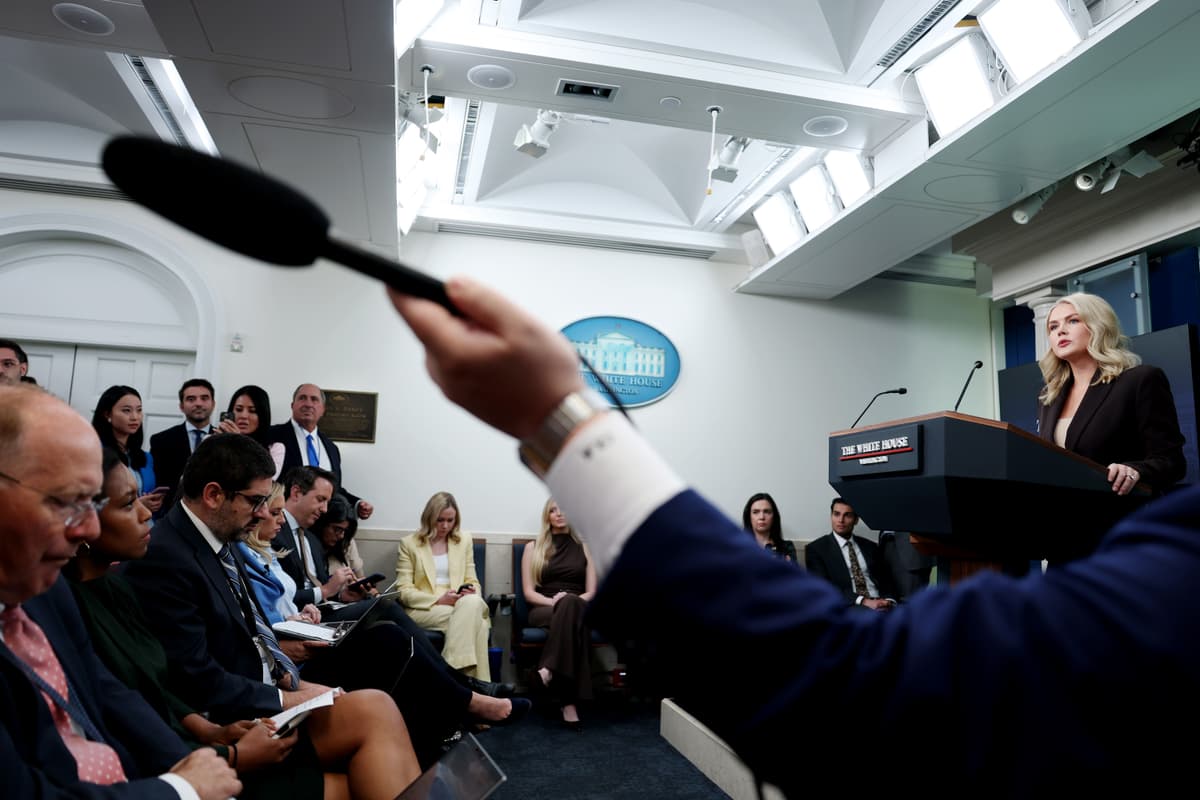
A new study has found that American teenagers overwhelmingly distrust American media, with a large majority viewing it negatively and believing journalists regularly engage in unethical behavior.
The study, conducted by the News Literacy Project between April and May 2025, found that 84 percent of teens described the news media with negative terms like “fake,” “biased,” and “lies.” In contrast, only 9 percent used positive words such as “interesting” or “good.”
The study, which surveyed teens aged 13 to 18, found that more than half believe professional journalists engage in unethical practices such as making up details, giving advertisers special treatment, or taking quotes, photos and videos out of context. Less than a third believe reporters correct their errors or confirm facts before publishing — practices considered fundamental in reputable newsrooms.
What’s more, teenagers don’t care if the news media lives or dies.
“With views like these, it’s little wonder that many young people also indicated they do not see the value of preserving America’s Fourth Estate,” the researchers wrote. “About two-thirds (67%) of the teens we surveyed said they are a little or not at all concerned about the sharp decline in the number of news organizations in the U.S. over the last 20 years.”
A senior vice president of research and design for the News Literacy Project, Peter Adams, acknowledged that some of this skepticism is warranted. “Some of this is earned, but much of it is based on misperception,” he wrote.
Researchers suggest that few teens follow the news regularly or learn about journalism’s purpose in school, and their views often reflect those of the adults around them.
The perception of journalism in popular culture also plays a role. When asked to name a movie or TV show that comes to mind when they think of journalism, teens most frequently cited the “Spider-Man” franchise and the comedy “Anchorman: The Legend of Ron Burgundy,” neither of which offers a flattering portrayal of the profession. The classic investigative journalism film “All the President’s Men” was mentioned far less often.
The surveyed teens don’t even believe reporters actually gather news. “Making up details, such as quotes, to make stories more interesting or engaging (or any other reason) would wreck the very foundation of quality journalism: accurately reporting the facts. Yet half of teens (50 percent) believe that journalists always or often engage in this unethical behavior. Thirty-six percent believe that journalists do so sometimes and 14% believe they do so rarely or never,” the researchers wrote.
Teens also think news media don’t bother to correct errors, with researchers noting “just 23 percent believe journalists do so always or often. Nearly 4 in 10 teens (39 percent) believe journalists only do this sometimes, and an equally sizable group (39 percent) believe they do so rarely or never.”
The study’s findings mirror a broader trend among adults. A Gallup poll from October showed that trust in news media among all Americans hit a new low, with just 28 percent expressing a “great deal” or “fair amount” of trust.